
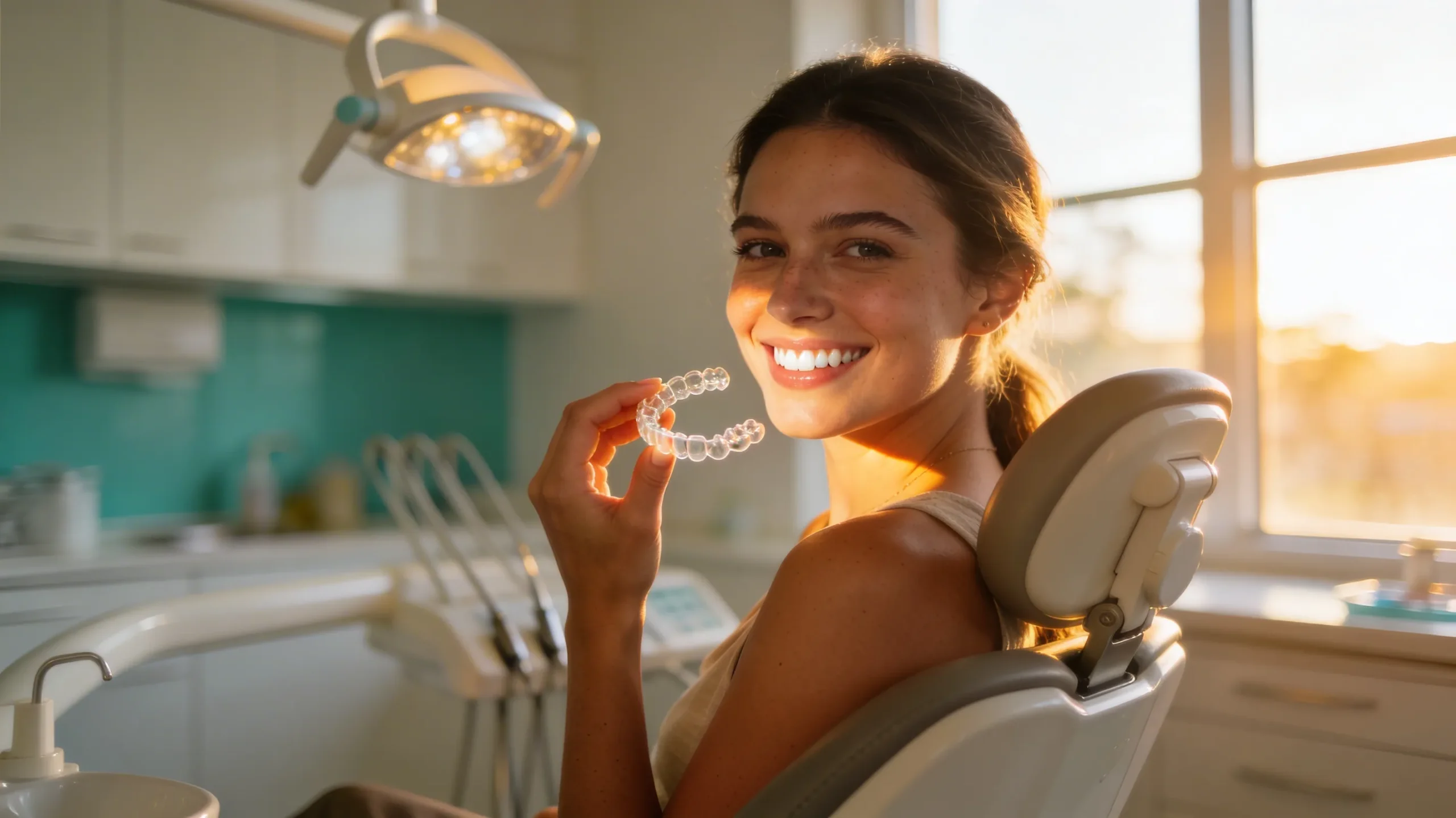
Braces have helped millions of people achieve healthier, straighter smiles, yet many still wonder what actually happens after those brackets go on. Teeth look solid and fixed in place, so how do they move at all? The answer lies in a fascinating mix of biology, gentle force, and careful planning. Understanding how braces work makes the entire treatment process feel less mysterious and far more reassuring.
Your teeth do not just shift by pressure alone, they move because your body knows how to rebuild itself.
Highlights:
- Braces move teeth through controlled force and bone remodeling
- The periodontal ligament plays a key role in safe tooth movement
- Modern imaging improves accuracy and treatment planning
- Retainers are essential for long term stability
Overview
Tooth Braces move teeth by applying controlled force that triggers natural bone remodeling around each tooth. Modern imaging helps orthodontists plan this movement with accuracy, while retainers keep the final result stable. Together, science, technology, and aftercare make long lasting orthodontic results possible.
How Braces Apply Pressure to Teeth
Braces work by placing steady, gentle pressure on teeth over time. Brackets are attached to each tooth and connected with wires or aligners that are adjusted regularly. These adjustments are small on purpose. Sudden or excessive force could damage roots or surrounding bone.
When pressure is applied, the tooth does not slide through bone like an object through sand. Instead, the body responds biologically. Cells around the tooth sense the force and begin a process that allows movement in a safe, controlled way.
The Role of Bone Remodeling in Tooth Movement
Bone is living tissue. It constantly breaks down and rebuilds itself. When braces push on a tooth, the bone on one side of the root slowly dissolves, while new bone forms on the other side. This process is called bone remodeling.
Special cells called osteoclasts break down bone where pressure exists. Osteoblasts then rebuild bone in the space the tooth has moved into. This cycle repeats with every adjustment, allowing teeth to change position without compromising jsuh strength.
Periodontal Ligament and Why It Matters
Between each tooth and the surrounding bone is a thin layer called the periodontal ligament. This ligament acts like a shock absorber and communication channel. When force is applied, it sends signals that start the remodeling process.
Without the periodontal ligament, teeth would not be able to move safely. Its flexibility allows teeth to shift gradually while protecting roots from damage. This is why orthodontic movement takes time and cannot be rushed.
How Long Tooth Movement Really Takes
Tooth movement is slow by design. Most braces treatments last between one and three years depending on complexity. Minor spacing issues may resolve quickly, while bite corrections require more time.
Age also plays a role. Younger patients often see faster movement because their bones remodel more easily. Adults can achieve the same results, but treatment may progress at a steadier pace. Consistent appointments and following care instructions make a noticeable difference.
Modern Imaging in Orthodontic Treatment
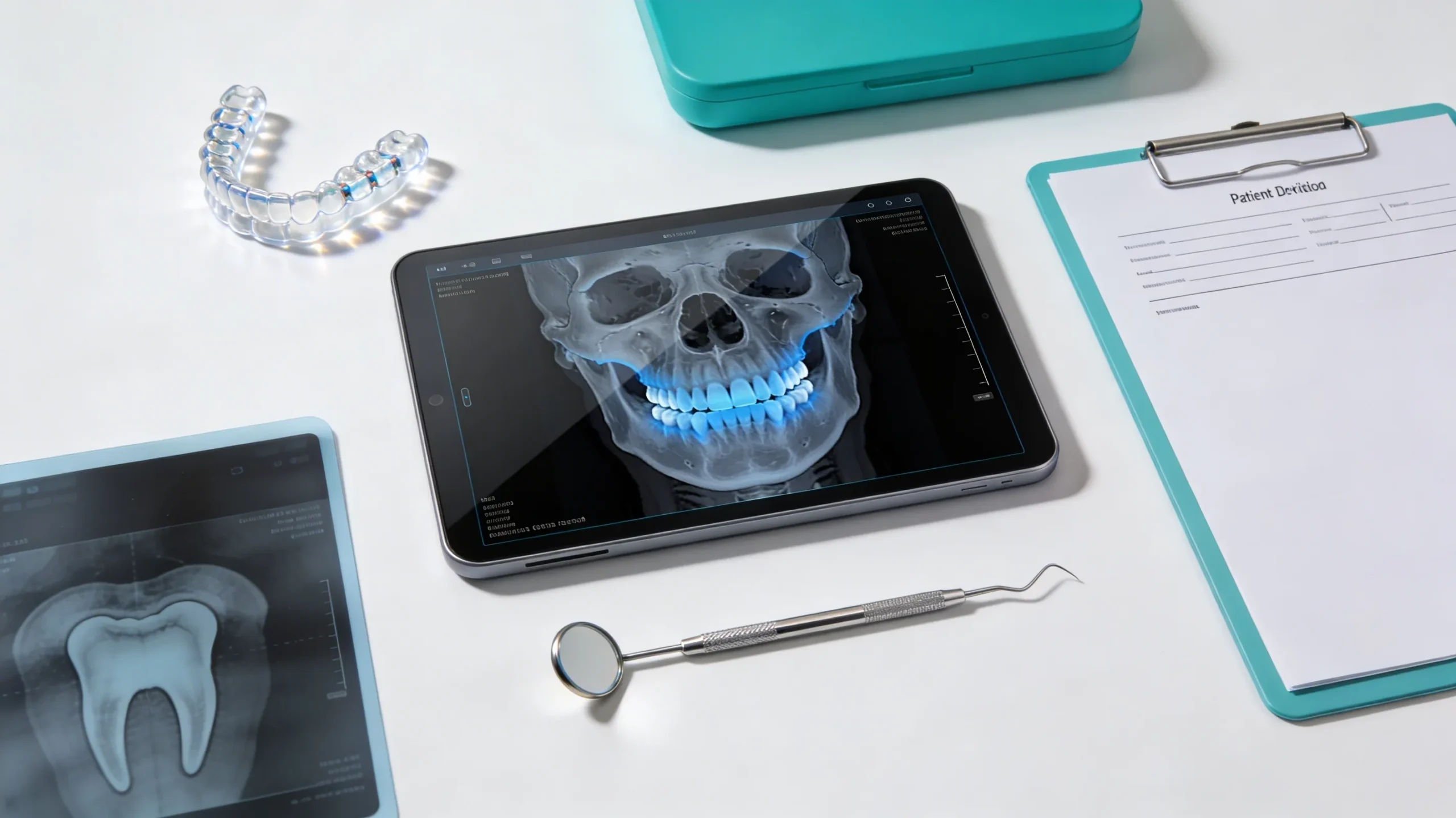
Imaging has transformed orthodontics. Traditional x rays are now supported by digital scans and three dimensional imaging. These tools allow orthodontists to tooth roots, bone density, and jaw alignment with precision.
With accurate imaging, treatment plans are customized to each patient. Potential obstacles are identified early, reducing risks and improving outcomes. Imaging also helps track progress and confirm that teeth are moving as planned.
Digital Planning and Predictable Results
Advanced software lets orthodontists map out tooth movement step by step before treatment even begins. This predictive planning shows where each tooth should end up and how to get it there efficiently.
For patients, this means fewer surprises and more confidence. Knowing there is a clear plan backed by data helps build trust in the process and sets realistic expectations.
Why Retainers Are Essential After Braces
Once braces come off, teeth are not fully settled. The surrounding bone and ligaments need time to stabilize. Without retainers, teeth can slowly drift back toward their original positions.
Retainers hold teeth in place while the bone finishes rebuilding. This phase is just as important as wearing braces. Skipping it can undo months or years of progress.
“Straight teeth are not maintained by braces alone, they are preserved by consistency and commitment.”
Types of Retainers and How They Work
There are removable and fixed retainers. Removable retainers are usually worn full time at first, then at night. Fixed retainers are thin wires bonded behind the teeth and stay in place long term.
The right choice depends on the individual case. Some patients benefit a combination of both. What matters most is wearing the retainer exactly as instructed.
Long Term Stability and Lifestyle Habits
Good habits support long term results. Wearing retainers as advised, maintaining oral hygiene, and attending follow up visits all help keep teeth stable. Grinding, nail biting, or skipping retainer use can affect alignment over time.
Orthodontic care does not end when braces come off. Think of it as a maintenance phase that protects your investment and your smile.
Conclusion
Braces move teeth through a remarkable partnership between gentle force and natural biology. Bone remodeling, guided by modern imaging and careful planning, allows teeth to shift safely into better positions. Retainers then protect that progress and ensure results last. When you understand the science behind braces, the journey feels clearer and far more worthwhile.
Disclaimer:
The information provided in this blog is for general informational purposes only and should not be interpreted as professional dental advice. Every dental situation is unique, and individual circumstances can vary significantly. Patients should not rely solely on the content provided here to make decisions about their oral health. For personalized assessment, diagnosis, and treatment, you should consult a qualified dentist or healthcare professional. Sunbury Dental Group accepts no responsibility for any loss, damage, or actions taken based on the information contained in this blog.
Related FAQ's
Do braces hurt when they move teeth?
Mild soreness is common after adjustments, especially in the first few days. This discomfort usually fades quickly and can be managed with soft foods and basic pain relief.
Can teeth move back after braces?
Yes, teeth can relapse without proper retainer use. Retainers are essential for keeping teeth in their new positions while bone stabilizes.
How do orthodontists know where to move teeth?
They use clinical exams, imaging, and digital planning tools to design a precise treatment plan based on your bite and facial structure.
Are braces effective for adults?
Absolutely. Adults can achieve excellent results with braces or aligners. Treatment may take slightly longer, but outcomes are just as successful.