








All the article is general information only and does not replace individualised advice from a registered dental practitioner. Always consult a qualified dentist for diagnosis and treatment specific to your child. Sunbury Dental Group complies with AHPRA advertising guidelines and Australian Consumer Law — no outcome, result, or treatment timeframe is guaranteed. Visit our informative Sunbury Dental Blog for more insights.

Blog
- All
- Childrens Dentistry
- Oral Health Prevention
- Patient Guides
- Uncategorized
The Bedtime Bottle Debate: Is Your Toddler’s Smile at Risk?
You’ve settled into a routine. Bath, pyjamas, bottle, bed. It’s the thing that finally gets your toddler to sleep, and honestly, some nights it’s the only thing standing between you and total exhaustion. So when someone mentions “baby bottle tooth decay” at a birthday party or your dentist raises an eyebrow, it’s natural to feel […]
Brushing Twice a Day but Still Have Bad Breath? Here’s What Could Be Causing It
You brush twice a day. You floss, most nights anyway. You’ve tried mints, mouthwash, maybe even a tongue scraper you saw on TikTok. And yet, that stale, sour breath keeps creeping back within an hour of leaving the bathroom. If that’s you, we get it — it’s frustrating, a little embarrassing, and honestly kind of […]
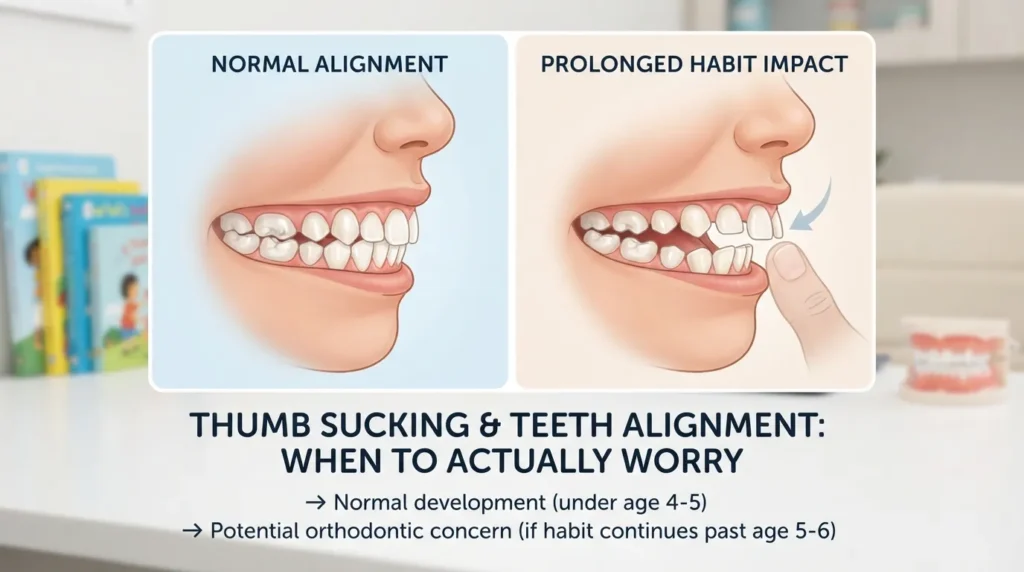
Thumb Sucking and Teeth Alignment: When Should Parents Actually Start Worrying?
If you’ve caught yourself watching your five-year-old suck their thumb during storytime and quietly wondering, “should I be worried about this?” — you’re definitely not alone. It’s one of those parenting questions that sits in the back of your mind, somewhere between “probably fine” and “am I letting this go too long?” Here’s the honest […]
Metallic Taste in Mouth That Won’t Go Away: What’s Causing It?
Introduction You’ve brushed twice, rinsed with mouthwash, even chewed a piece of gum, and that odd metallic tang is still sitting on your tongue. It’s a weird sensation, isn’t it? Almost like you’ve been sucking on a coin. Understanding the various metallic taste in mouth causes can provide insight into potential health issues. Here’s the […]
Dental Implant Failure Rates: What the Research Really Shows
Dental Implant Failure Rate Statistics: What the Research Actually Says If you’ve been scrolling forums at midnight searching “dental implant failure rate statistics,” we get it. Missing a tooth is stressful enough without wondering if the fix is going to fail on you too. So let’s cut through the noise and look at what the […]
Child Complains of Tooth Pain but the X-Ray Shows Nothing? Here’s What Could Be Happening
Introduction Your kid’s been complaining about a sore tooth for two days now. You booked the dentist, sat through the x-ray, and the answer came back clean — no decay, nothing broken, nothing there. So why does it still hurt? This is one of the more confusing moments in parenting, and we hear about it […]
Best Gum Disease Treatment Options at a Dental Clinic
When your dentist starts talking about probing depths, attachment loss, and bone levels at a routine check-up, it can feel like the conversation has shifted gear without warning. A condition you thought was just “bleeding gums” suddenly becomes a clinical discussion with several treatment pathways on the table. Understanding the best treatment options for gum […]
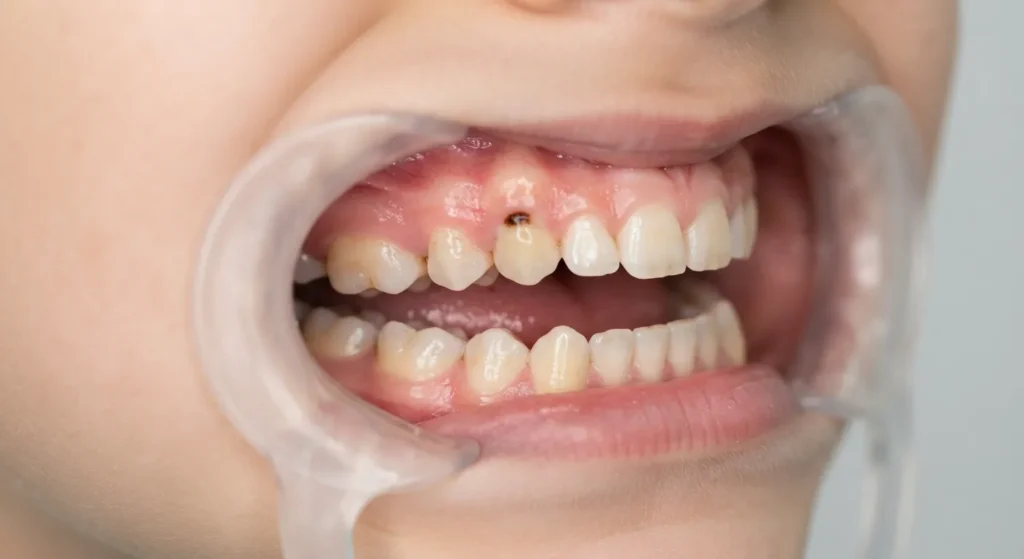
Black Spot on Baby Tooth: Cavity or Just Staining?
Introduction You’re brushing your three-year-old’s teeth before bed, and there it is — a small black spot on baby tooth sitting right on one of their front baby teeth. Your stomach drops a little, doesn’t it? That’s a completely normal reaction, and honestly, most parents in Sunbury who’ve messaged our clinic about a black spot […]
How Much Do Braces Cost in Australia with Medicare?
How much do braces cost in Australia with Medicare is one of the most common questions we hear at Sunbury Dental Group, and one of the most misunderstood. Anecdotally, a surprising number of Australian families come to us having done hours of research online, only to walk through the door believing Medicare will cover a […]
Child Grinding Teeth at Night: Should You Be Worried?
You’re lying awake, and there it is again — that grinding, squeaking sound coming from your child’s room. It’s unsettling, isn’t it? Your mind jumps straight to worst-case scenarios, but take a breath, because a child grinding teeth at night is one of the most common things parents bring up with us at Sunbury Dental […]
Toddler Scared of the Dentist? Here’s How to Get Through Their First Visit Without Tears (Mostly)
If you’re sitting here googling this at 9pm because your little one just melted down at the mere mention of “dentist Sunbury,” we get it. You’re not alone, and you’re definitely not doing anything wrong. A Toddler Scared of Dentist First Visit is one of the most common worries parents bring up with us across […]
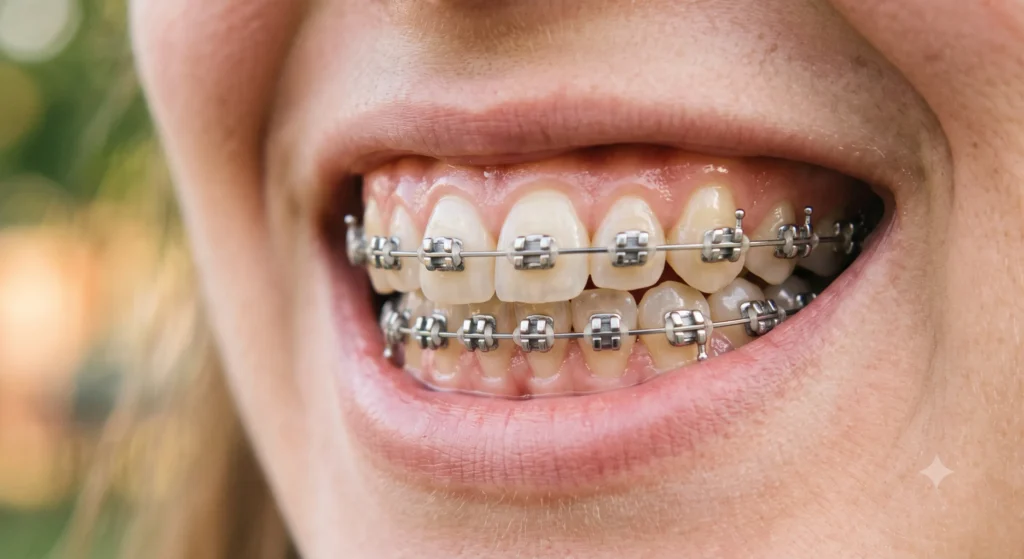
Braces Aintree: Cost Guide for Metal & Fixed Orthodontics
Braces Aintree: Cost Guide for Metal & Fixed Orthodontics Whether you’re a parent looking into Fixed Braces Costs in Aintree for your teenager or an adult finally ready to fix that crowding you’ve lived with for years, this guide’s got you covered. We’ll walk Aintree and Sunbury families through metal and fixed braces — how […]
Exploring the Sunbury Dental Blog
At Sunbury Dental Group, we believe in the importance of comprehensive dental education. In this blog, we will explore various aspects of dental health, including the significance of preventive care, common dental procedures, and tips for maintaining optimal oral hygiene. By understanding these topics, patients can make informed decisions about their dental care.
Dental health is a cornerstone of overall well-being, impacting not only our physical health but also our self-esteem and confidence. Many individuals overlook the importance of regular dental check-ups, often waiting until they experience discomfort or pain before seeking professional help. However, preventive care can save you from more serious issues in the future. For instance, regular cleanings can prevent cavities and gum disease, which can lead to far more serious health problems if left untreated.
Preventive care encompasses a variety of services designed to keep your teeth and gums healthy. Regular check-ups allow dentists to identify potential issues before they escalate. For example, during a routine examination, your dentist may spot early signs of tooth decay that can be treated with a simple filling, preventing the need for more invasive procedures later. Furthermore, professional cleanings remove plaque and tartar buildup, which are the primary culprits behind cavities and gum disease.
In addition to check-ups and cleanings, dental sealants are an excellent preventive measure, especially for children and adolescents. Sealants are thin coatings applied to the chewing surfaces of the back teeth, where cavities are most likely to develop. Studies show that sealants can reduce the risk of decay by nearly 80%. This simple intervention can significantly impact long-term dental health.
Another vital aspect of dental health is the role of nutrition. A balanced diet rich in vitamins and minerals supports healthy teeth and gums. Foods high in calcium, such as dairy products, leafy greens, and fortified foods, strengthen tooth enamel. Additionally, crunchy fruits and vegetables like apples and carrots can help clean teeth naturally while providing essential nutrients.
Oral hygiene practices, including brushing and flossing, are essential in maintaining a healthy mouth. Dentists recommend brushing twice a day with fluoride toothpaste and flossing daily to remove food particles and plaque between teeth. It is also important to replace your toothbrush every three to four months to ensure effective cleaning.
Despite our best efforts, dental problems can still arise. Common issues include cavities, gum disease, and tooth sensitivity. Cavities are caused by bacteria that produce acids that erode tooth enamel. Gum disease, on the other hand, is an inflammation of the gums that can lead to tooth loss if untreated. Tooth sensitivity often results from worn enamel or receding gums, making teeth more vulnerable to temperature changes.
In terms of treatment, options vary depending on the severity of the problem. For cavities, fillings are the most common solution, while more extensive decay may require crowns or root canals. Gum disease treatment may involve deep cleaning procedures and, in advanced cases, surgery. Understanding these treatments can ease anxiety and promote a proactive approach to dental health.
Beyond regular dental visits, additional preventive measures include avoiding sugary snacks and beverages, as they contribute to tooth decay. Chewing sugar-free gum can also help stimulate saliva production, which aids in neutralizing acids in the mouth. Staying hydrated is crucial as well; water helps wash away food particles and bacteria.
Finally, it is essential to recognize that dental health does not exist in a vacuum. It is interconnected with overall health. Conditions such as diabetes and heart disease can influence oral health, and vice versa. Maintaining regular communication with your healthcare providers can help address any issues that may arise.
In conclusion, taking charge of your dental health through regular check-ups, effective oral hygiene, a balanced diet, and open communication with dental professionals is crucial. By doing so, you can avoid painful procedures and maintain a beautiful smile. For more information and resources, be sure to visit our Sunbury Dental Blog where we share expert insights and tips on dental care.