OUR CONTACTS


Unit 5/92 Evans Street, Sunbury VIC 3429 , Australia

(+61) 3 9717 7311

Fixed Braces

HomeServicesOrthodontics SunburyFixed Braces
Tooth Braces Sunbury

Fixed Braces in Sunbury — Orthodontic Care for All Ages

Are you thinking about fixed braces in Sunbury? At Sunbury Dental Group, we offer personalised orthodontic assessments to help you understand whether fixed braces may be a suitable option for your teeth, bite, and lifestyle. We welcome patients of all ages — from children and teenagers to working adults — from Sunbury (3429) and surrounding communities.

Fixed braces are one of the most clinically established orthodontic appliances available and are commonly considered for a wide range of tooth alignment and bite concerns. Our team takes the time to assess your individual situation before recommending any course of treatment.

📞 (03) 9717-7311 |Unit 5/92 Evans Street, Sunbury VIC 3429

What Are Fixed Braces?

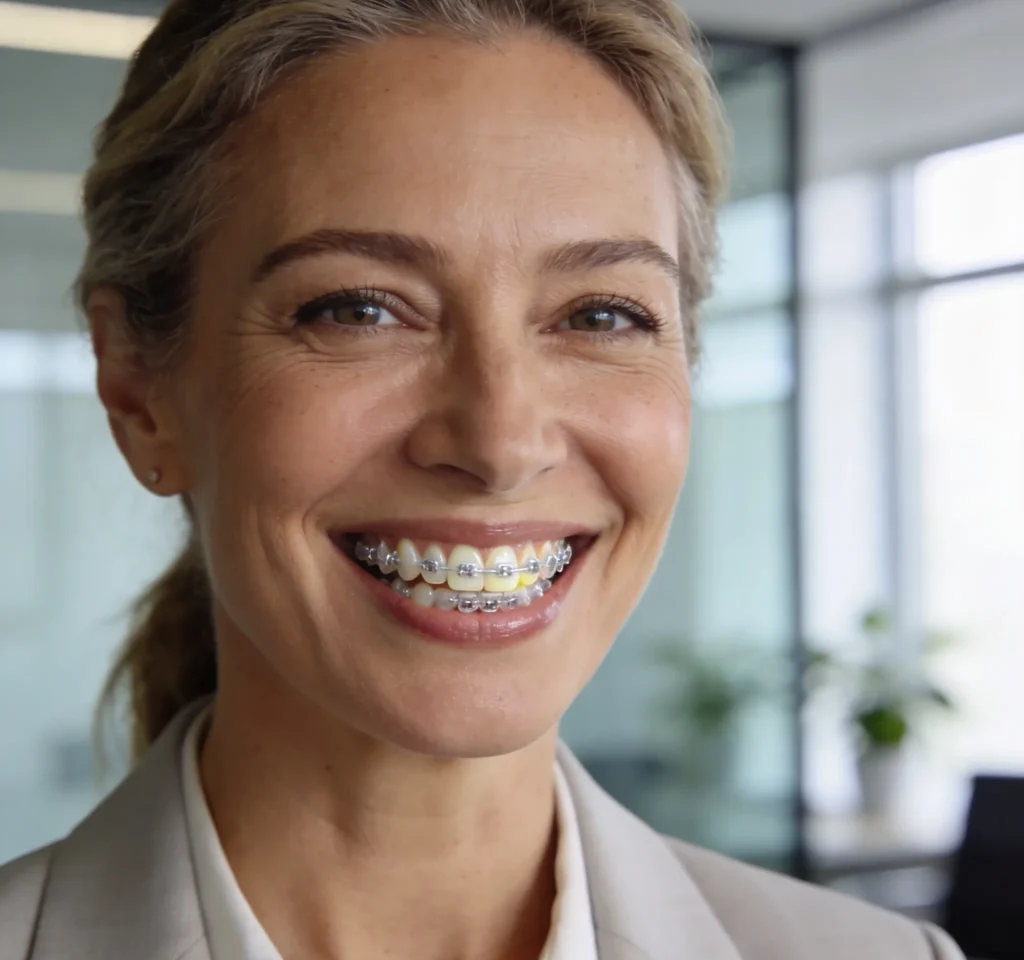
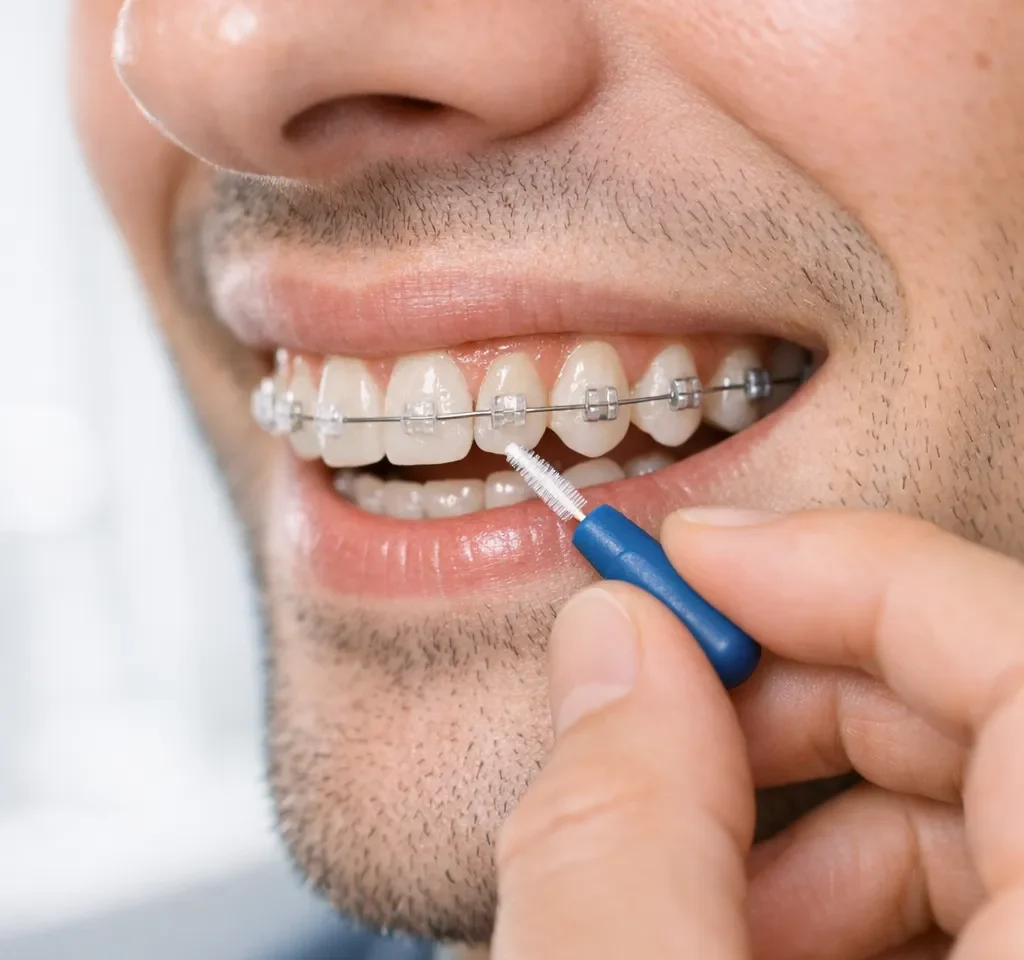
Fixed braces are orthodontic appliances that are bonded directly onto the front surface of your teeth and remain in place throughout treatment. Each tooth receives a small bracket, which is connected by a thin archwire. Your dentist makes careful, incremental adjustments over time, applying gentle and consistent pressure designed to gradually guide teeth toward a more aligned position.

Because they are fixed rather than removable, braces work continuously — which may make them appropriate for a broader range of alignment concerns compared to some other orthodontic options. Your dentist will advise on suitability following a full assessment.

fixed braces
fixed braces

What Are Fixed Braces?

Fixed braces are orthodontic appliances that are bonded directly onto the front surface of your teeth and remain in place throughout treatment. Each tooth receives a small bracket, which is connected by a thin archwire. Your dentist makes careful, incremental adjustments over time, applying gentle and consistent pressure designed to gradually guide teeth toward a more aligned position.

Because they are fixed rather than removable, braces work continuously — which may make them appropriate for a broader range of alignment concerns compared to some other orthodontic options. Your dentist will advise on suitability following a full assessment.

orthodontic braces teeth

Types of Fixed Braces Available

Metal braces
The most widely used type worldwide. Made from stainless steel, they are durable and well-suited to a wide range of alignment concerns — including complex cases.

Ceramic (clear) braces
Structurally similar to metal braces, but with tooth-coloured or clear brackets that tend to be less noticeable against the teeth. May be considered for patients with cosmetic preferences, where clinically appropriate.

Self-ligating braces
A variation that uses a built-in sliding mechanism rather than elastic ties to hold the archwire. Some patients find these easier to keep clean, though suitability depends on individual clinical needs.

Each type has different clinical applications, maintenance requirements, and cost considerations. Your dentist will outline the options relevant to your case.

What Concerns Can Fixed Braces Help Address?

Fixed braces may be considered where a patient presents with concerns related to:

  • Crowded or overlapping teeth that are difficult to clean properly
  • Spacing or gaps between teeth
  • An overbite (upper teeth protrude over lower teeth)
  • An underbite (lower teeth sit in front of upper teeth)
  • A crossbite (upper and lower teeth don’t meet correctly)
  • Rotated or tipped teeth affecting bite function
  • Misalignment contributing to uneven wear on teeth

These are clinical concerns — not purely cosmetic ones. Crowding and bite problems can make it harder to maintain good oral hygiene, which is relevant to long-term dental health. Treatment suitability is always assessed individually; a consultation is the first and most important step.

fixed braces near sunbury

H2: What Concerns Can Fixed Braces Help Address?

Fixed braces may be considered where a patient presents with concerns related to:

  • Crowded or overlapping teeth that are difficult to clean properly
  • Spacing or gaps between teeth
  • An overbite (upper teeth protrude over lower teeth)
  • An underbite (lower teeth sit in front of upper teeth)
  • A crossbite (upper and lower teeth don’t meet correctly)
  • Rotated or tipped teeth affecting bite function
  • Misalignment contributing to uneven wear on teeth

These are clinical concerns — not purely cosmetic ones. Crowding and bite problems can make it harder to maintain good oral hygiene, which is relevant to long-term dental health. Treatment suitability is always assessed individually; a consultation is the first and most important step.

Orthodontic Braces Sunbury

What Does Fixed Brace Treatment Cost in Sunbury?

The cost of fixed braces varies between patients depending on the complexity of your case, the type of braces recommended, and estimated treatment duration. At Sunbury Dental Group, we provide a full, transparent cost breakdown during your consultation — before any treatment begins.

We work with patients to explore available options including health fund entitlements and payment plan arrangements, where applicable. We encourage you to contact us on (03) 9717-7311 to discuss current fee information, or ask at your consultation.

Fees at Sunbury Dental Group range from $5000 to $9,500 depending on the treatment type and scope. Orthodontic treatment fees are assessed and quoted individually.

Fixed Braces vs. Clear Aligners — Understanding Your Options

  • Patients often ask about the difference between fixed braces and clear aligners (such as Invisalign). Both are used to address tooth misalignment, but they are not interchangeable — each has different clinical applications.
    FeatureFixed BracesClear Aligners
    Removable?No — bonded in placeYes — removed for meals and cleaning
    VisibilityMore visible (metal or ceramic options)Near-invisible when worn
    Case complexitySuitable for mild to complex casesTypically suited to mild–moderate cases
    Patient complianceConsistent treatment regardlessOutcome depends on consistent wear
    Oral hygieneRequires careful cleaning around bracketsEasier to clean teeth (aligner removed)
    Typical cost rangeVariable — assessed per caseVariable — assessed per case

    The right choice depends on your clinical needs, not personal preference alone. Your dentist will present options appropriate to your situation.

Fixed Braces vs. Clear Aligners — Understanding Your Options

  • Patients often ask about the difference between fixed braces and clear aligners (such as Invisalign). Both are used to address tooth misalignment, but they are not interchangeable — each has different clinical applications.
    FeatureFixed BracesClear Aligners
    Removable?No — bonded in placeYes — removed for meals and cleaning
    VisibilityMore visible (metal or ceramic options)Near-invisible when worn
    Case complexitySuitable for mild to complex casesTypically suited to mild–moderate cases
    Patient complianceConsistent treatment regardlessOutcome depends on consistent wear
    Oral hygieneRequires careful cleaning around bracketsEasier to clean teeth (aligner removed)
    Typical cost rangeVariable — assessed per caseVariable — assessed per case

    The right choice depends on your clinical needs, not personal preference alone. Your dentist will present options appropriate to your situation.

The Treatment Journey at Sunbury Dental Group

  • Here is a general overview of what the fixed braces process may involve. Every treatment plan is tailored individually, so timelines and steps may differ.

Your dentist examines your teeth, jaw, and bite. X-rays and photographs may be taken to build a complete clinical picture. You’ll have the opportunity to ask questions and understand your options before any treatment begins.
Typically 1–2 appointments.

Following assessment, your dentist presents a treatment plan covering: recommended brace type, estimated treatment duration, and full cost breakdown. Nothing proceeds until you understand and agree to the plan.

Brackets are bonded to the surface of your teeth and the archwire is fitted. Your dentist will demonstrate how to clean around your braces and explain what to expect in the first few days, including normal initial discomfort.
Typically 60–90 minutes.

You return approximately every 4–8 weeks. Your dentist monitors progress, adjusts the archwire, and addresses any concerns. Consistent attendance is important to keep treatment on track.

Once your dentist is satisfied with tooth alignment, the braces are removed. A retainer is then provided. Wearing your retainer as directed is a critical part of long-term care — teeth can gradually shift without retention support.

Treatment duration varies based on case complexity, patient age, and individual response. General estimates range from 12 to 36 months; your dentist will provide a more specific timeframe after assessment.

Risks and Considerations

  • Like all dental procedures, orthodontic treatment with fixed braces carries risks that are important to understand before proceeding. Your dentist will discuss these in full during your consultation. General considerations include:
    • Discomfort — Tenderness for a few days following placement or adjustment is common and usually temporary
    • Oral hygiene challenges — Brackets and wires create additional surfaces where plaque can accumulate; diligent cleaning is essential throughout treatment
    • Decalcification — If oral hygiene is inadequate during treatment, white spot lesions may form on tooth enamel
    • Root resorption — In some cases, minor shortening of tooth roots can occur; this is monitored throughout treatment
    • Relapse — Teeth may gradually return toward their original position if retainers are not worn as directed after treatment

    Your individual risk profile will be discussed openly as part of your informed consent process.

Risks and Considerations

  • Like all dental procedures, orthodontic treatment with fixed braces carries risks that are important to understand before proceeding. Your dentist will discuss these in full during your consultation. General considerations include:
    • Discomfort — Tenderness for a few days following placement or adjustment is common and usually temporary
    • Oral hygiene challenges — Brackets and wires create additional surfaces where plaque can accumulate; diligent cleaning is essential throughout treatment
    • Decalcification — If oral hygiene is inadequate during treatment, white spot lesions may form on tooth enamel
    • Root resorption — In some cases, minor shortening of tooth roots can occur; this is monitored throughout treatment
    • Relapse — Teeth may gradually return toward their original position if retainers are not worn as directed after treatment

    Your individual risk profile will be discussed openly as part of your informed consent process.

Frequently Asked Questions — Fixed Braces Sunbury

The only way to determine whether fixed braces are appropriate for your situation is through a clinical assessment. Your dentist will examine your teeth, jaw alignment, and bite, and may take X-rays or photographs to inform a treatment recommendation. Treatment suitability is assessed individually — there is no universal answer without an examination.

Fixed braces can be appropriate for patients of any age. While orthodontic treatment is often associated with adolescence (when the jaw is still developing), adults are regularly assessed for and treated with fixed braces. Adult patients may have additional considerations — such as existing dental restorations or gum health — which your dentist will factor into the assessment.

Treatment duration depends on the nature and severity of the alignment concern, the patient’s age, and individual response to tooth movement. A general range is 12 to 36 months, though your dentist will provide a personalised estimate following your assessment. There is no way to accurately predict duration without a thorough clinical examination.

It is normal to experience tenderness or sensitivity for a few days after braces are first placed and after each adjustment appointment. This generally settles on its own. Most patients find this manageable, and your dentist can advise on appropriate strategies to help during these periods. Any persistent or unusual discomfort should be discussed with your dentist.

Children can be assessed for orthodontic concerns from around age 7–9, when a dentist can begin to identify potential issues with jaw development and tooth alignment. Active fixed brace treatment is most common in the adolescent years (approximately 11–16), though timing varies significantly between individuals. An early assessment allows your child’s dentist to advise on the most appropriate timing for any treatment.

Brace removal is followed by the retention phase. Your dentist will provide a retainer — either removable or fixed, depending on your situation — to help maintain the position of your teeth. This phase is considered a critical part of the overall treatment process. Failing to wear a retainer as directed can result in gradual tooth movement back toward the original position (relapse).

Some private health insurance extras policies include a level of orthodontic cover, though the amount varies considerably between funds and policy tiers. Waiting periods may also apply. We recommend contacting your insurer directly to confirm your entitlements. Our team can provide an itemised treatment plan (including item numbers) that you may be able to submit to your health fund.

Metal braces use stainless steel brackets and are well-suited to a wide range of alignment concerns, including more complex cases. Ceramic braces use tooth-coloured or clear brackets that are less visible but function similarly. The clinical suitability of each type depends on your individual case — your dentist will advise which option is appropriate for you.