OUR CONTACTS


Unit 5/92 Evans Street, Sunbury VIC 3429 , Australia

(+61) 3 9717 7311

Tooth Extractions in Sunbury

HomeServicesGeneral Dentistry Sunbury – Sunbury Dental GroupTooth Extractions in Sunbury
Tooth Extractions Sunbury

Tooth Extractions Sunbury

If you’re dealing with a painful, broken, or badly decayed tooth, having it removed isn’t always the first option — but sometimes it’s the right one. At Sunbury Dental Group, we assess every tooth individually before recommending extraction, and we’re open seven days a week if you need to be seen urgently. For more information on Tooth Extractions Sunbury, please contact us.

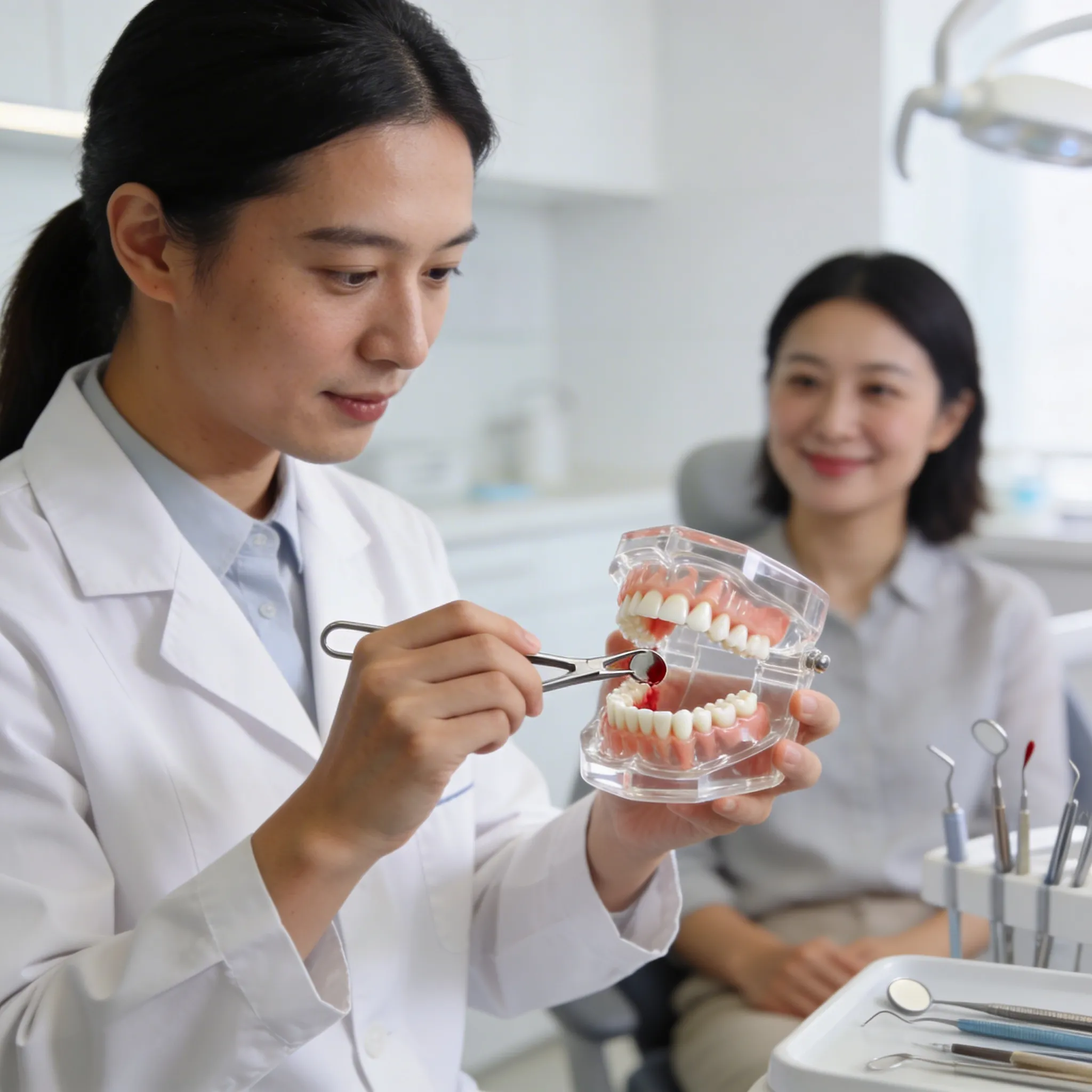
A tooth extraction is the removal of a tooth from its socket in the jawbone, usually recommended when a tooth is too damaged, decayed, infected, or crowded to be saved. Extractions are either “simple” (a visible tooth removed under local anaesthetic) or “surgical” (requiring a small incision, typically for teeth that haven’t fully emerged, such as some wisdom teeth). Suitability is always assessed individually, and outcomes vary between patients.


What Is A Tooth Extraction

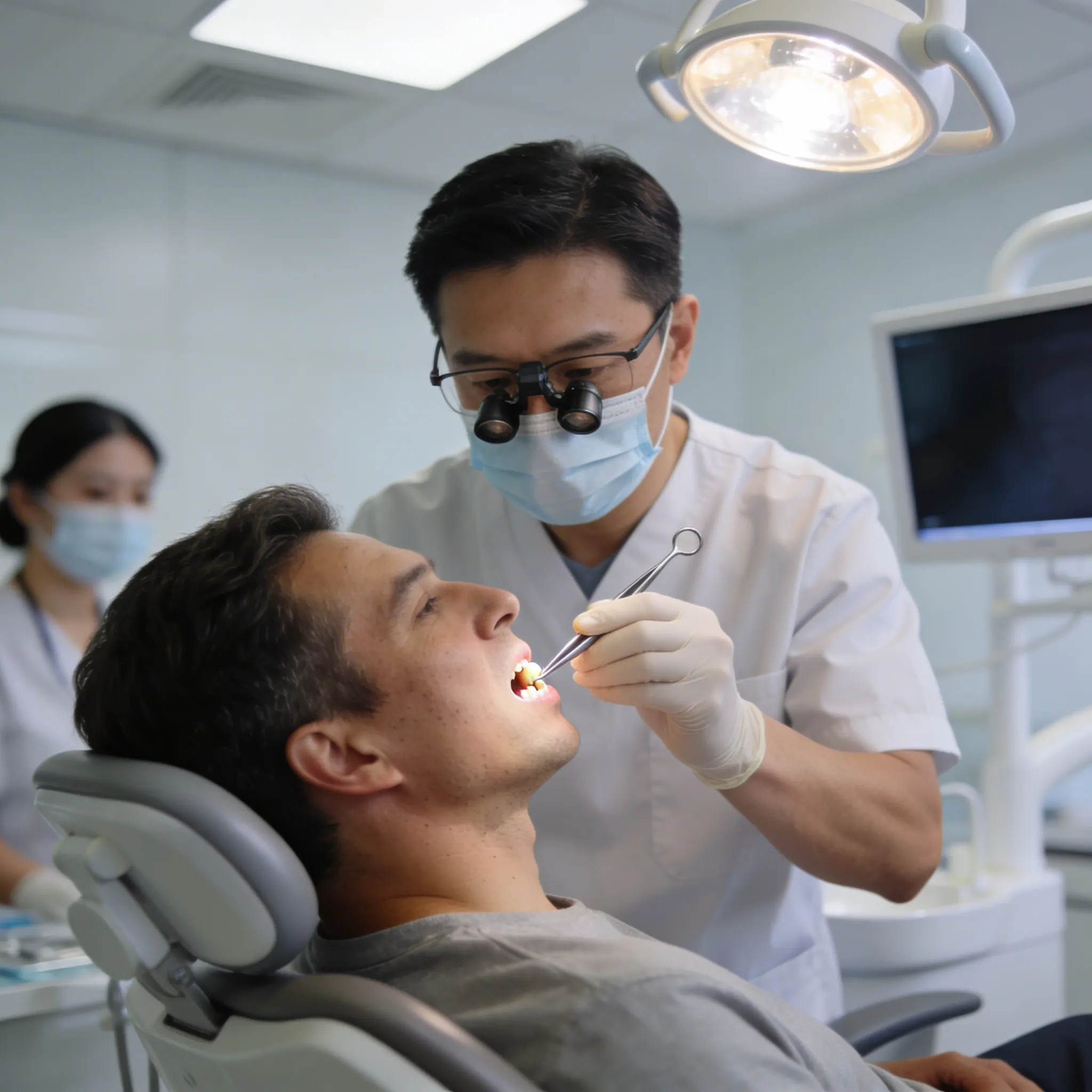
A tooth extraction involves gently loosening and removing a tooth from its socket. Most simple extractions are completed under local anaesthetic in a single visit. Surgical extractions are used when a tooth is broken below the gum line, hasn’t fully erupted, or has a complex root shape, and may require a small surgical approach to access the tooth safely.

Common Signs You May Need a Tooth Extraction

  • Persistent or worsening tooth pain that hasn’t settled with a filling or other treatment

  • A tooth that is cracked, fractured, or broken below the gum line

  • Severe decay that has destroyed too much of the tooth structure to restore

  • Advanced gum disease causing the tooth to become loose

  • Crowding that is contributing to orthodontic treatment needs

  • A wisdom tooth that is impacted, painful, or repeatedly infected

Any of these signs should be assessed by a dentist before assuming extraction is the only option — in many cases a tooth can still be saved.

Teeth extraction
Teeth extraction

What Is a Tooth Extraction?

A tooth extraction involves gently loosening and removing a tooth from its socket. Most simple extractions are completed under local anaesthetic in a single visit. Surgical extractions are used when a tooth is broken below the gum line, hasn’t fully erupted, or has a complex root shape, and may require a small surgical approach to access the tooth safely.

Common Signs You May Need a Tooth Extraction

  • Persistent or worsening tooth pain that hasn’t settled with a filling or other treatment

  • A tooth that is cracked, fractured, or broken below the gum line

  • Severe decay that has destroyed too much of the tooth structure to restore

  • Advanced gum disease causing the tooth to become loose

  • Crowding that is contributing to orthodontic treatment needs

  • A wisdom tooth that is impacted, painful, or repeatedly infected

Any of these signs should be assessed by a dentist before assuming extraction is the only option — in many cases a tooth can still be saved.

Why Choose Sunbury Dental Group

Sunbury Dental Group is an independent, family-owned clinic on Evans Street, Sunbury, led by AHPRA-registered dentist Dr Nita Kumari. We're open seven days a week, including weekends, which can matter when a painful tooth won't wait for a weekday appointment. We support anxious patients with nitrous oxide sedation for ages 2 to 65, and we work with families through CDBS as well as all major health funds via HICAPS.

Comfortable dental treatment room at Sunbury Dental Group"

What Causes the Problem?

Teeth generally need extraction due to untreated decay reaching the tooth’s nerve, trauma or injury causing a fracture, advanced periodontal (gum) disease breaking down the supporting bone, or a wisdom tooth that doesn’t have enough room to erupt properly. Some extractions are also planned as part of orthodontic treatment to create space.

Benefits of Tooth Extraction

  • May relieve ongoing pain or infection linked to a damaged tooth

  • Can help stop the spread of decay or infection to neighbouring teeth

  • May be a necessary step before other treatments, such as dentures, bridges, or orthodontics

  • Removes a source of recurring discomfort where the tooth cannot reasonably be restored

Outcomes vary between individuals, and extraction is only recommended after other options have been considered.

Who May Be Suitable?

Extraction may be suitable for patients with teeth that are too damaged or diseased to restore, patients experiencing repeated wisdom tooth infections, and patients preparing for orthodontic or prosthetic treatment. Suitability always depends on an individual clinical assessment, medical history, and the position and condition of the tooth — this cannot be determined without an examination.

Assessment and Diagnosis

Before recommending extraction, our team will review your dental and medical history, examine the tooth and surrounding gum, and may take an X-ray to assess the root position and bone level. This helps determine whether the tooth can be saved, and if not, whether a simple or surgical approach is appropriate.

Diagram comparing simple and surgical tooth extraction

Who May Be Suitable?

Extraction may be suitable for patients with teeth that are too damaged or diseased to restore, patients experiencing repeated wisdom tooth infections, and patients preparing for orthodontic or prosthetic treatment. Suitability always depends on an individual clinical assessment, medical history, and the position and condition of the tooth — this cannot be determined without an examination.

Assessment and Diagnosis

Before recommending extraction, our team will review your dental and medical history, examine the tooth and surrounding gum, and may take an X-ray to assess the root position and bone level. This helps determine whether the tooth can be saved, and if not, whether a simple or surgical approach is appropriate.

Areas We Serve

Sunbury Dental Group welcomes general dentistry patients from Sunbury and nearby suburbs including Bulla, Clarkefield, Hillside, Taylors Lakes, Sydenham, Kurunjang, Mickleham, Melton, Aintree, Greenvale, Delahey, Keilor, Kings Park, Gladstone Park, St Albans, Brookfield, Burnside and Tullamarine.

Emergency Situations
If you're experiencing severe swelling, uncontrolled bleeding, or intense pain, please contact us on (03) 9717-7311 as soon as possible. We're open Monday to Friday 9am–6pm and weekends 9am–5pm to help assess urgent situations.

Sunbury Tooth Extractions

Treatment Process

  1. Assessment — examination and X-ray to confirm the extraction is appropriate

  2. Anaesthetic — local anaesthetic is used to numb the area; nitrous oxide sedation is available for patients aged 2 to 65 who experience mild anxiety, subject to individual suitability

  3. Removal — the tooth is carefully loosened and removed; surgical extractions may involve a small incision for better access

  4. Aftercare instructions — you’ll be given clear guidance on caring for the socket while it heals

Treatment Considerations

Some patients may require a review of blood-thinning medication, existing medical conditions, or anxiety levels before treatment. Where a tooth might still be restorable with a filling, crown, or root canal treatment, this will be discussed with you as an alternative before extraction proceeds.

Recovery and Aftercare

  1. Assessment — examination and X-ray to confirm the extraction is appropriate

  2. Anaesthetic — local anaesthetic is used to numb the area; nitrous oxide sedation is available for patients aged 2 to 65 who experience mild anxiety, subject to individual suitability

  3. Removal — the tooth is carefully loosened and removed; surgical extractions may involve a small incision for better access

  4. Aftercare instructions — you’ll be given clear guidance on caring for the socket while it heals

Treatment Considerations

Some patients may require a review of blood-thinning medication, existing medical conditions, or anxiety levels before treatment. Where a tooth might still be restorable with a filling, crown, or root canal treatment, this will be discussed with you as an alternative before extraction proceeds.

Simple Tooth Extraction Sunbury

Recovery and Aftercare

Most general dentistry visits require no recovery time — you can return to normal eating and activities straight away, though your dentist may suggest avoiding very hot or cold foods for a short period after a clean or filling. Ongoing aftercare mostly comes down to consistent brushing, flossing, and attending recommended follow-up visits.

Cost Considerations

The cost of a general dentistry visit depends on what’s involved — a straightforward check-up and clean costs less than a visit requiring x-rays or fillings. Private health insurance may cover some or all of a general check-up, and the Child Dental Benefits Schedule (CDBS) may apply for eligible children — contact the clinic on (03) 9717-7311 to discuss costs relevant to your circumstances.

Ready for a confident smile? Book your FREE consultation

For Cosmetic Dentistry, Braces & Invisalign, Dental Implants, and Smile Makeovers.

F.A.Q

Tooth extraction is the removal of a tooth from its jaw socket, typically recommended when a tooth is too decayed, damaged, infected, or crowded to restore. Extractions are classed as either simple (visible tooth, local anaesthetic) or surgical (requiring a small incision, often for wisdom teeth). Sunbury Dental Group, an independent family clinic on Evans Street, Sunbury, assesses each case individually and offers nitrous oxide sedation for anxious patients aged 2–65. Open 7 days a week; extractions are covered under CDBS for eligible children and accepted under HICAPS for health fund members.

Local anaesthetic is used to numb the area during the procedure, so most patients feel pressure rather than pain. Some soreness afterwards is normal and can usually be managed with guidance from our team.

A simple extraction is used for a visible tooth that can be loosened and removed directly. A surgical extraction is needed when a tooth hasn’t fully erupted or is broken below the gum line, requiring a small incision for access.

Extractions, including for baby teeth, are listed among services covered under the CDBS for eligible children. Eligibility is assessed by Services Australia, not by our practice — please confirm via myGov or Medicare before booking.

Nitrous oxide (happy gas) is available for patients aged 2 to 65 with mild anxiety, subject to individual assessment. Deeper sedation options are considered for more extensive treatment where clinically appropriate

Initial healing typically begins within a few days, though full socket healing takes longer. Recovery time varies between individuals depending on the extraction type and personal healing factors.