OUR CONTACTS


Unit 5/92 Evans Street, Sunbury VIC 3429 , Australia

(+61) 3 9717 7311

Root Canal Treatment in Sunbury

Home • Services • General Dentistry Sunbury – Sunbury Dental Group • Root Canal Treatment in Sunbury
Modern and comfortable dental treatment room at Sunbury Dental Group

Severe tooth pain can be overwhelming and disruptive to your daily life. At Sunbury Dental Group, we understand that a throbbing toothache or sudden temperature sensitivity often indicates an underlying issue that requires prompt attention. Our modern, locally owned clinic provides comprehensive root canal treatment designed to address dental infections and aim to save your natural tooth. Led by Dr Nita Kumari, our team is committed to providing gentle, tailored care in a comfortable environment.

Quick Answer Summary

  • What it is: A restorative procedure to treat infection inside the tooth (the dental pulp).

  • Goal: To relieve severe pain, remove bacterial infection, and attempt to retain the natural tooth.

  • Signs you may need one: Persistent toothache, lingering sensitivity to hot/cold, swollen gums, or a dental abscess.

  • Next step: An initial consultation and digital X-ray are required to confirm an accurate diagnosis and treatment suitability.

What Is Root Canal Treatment?

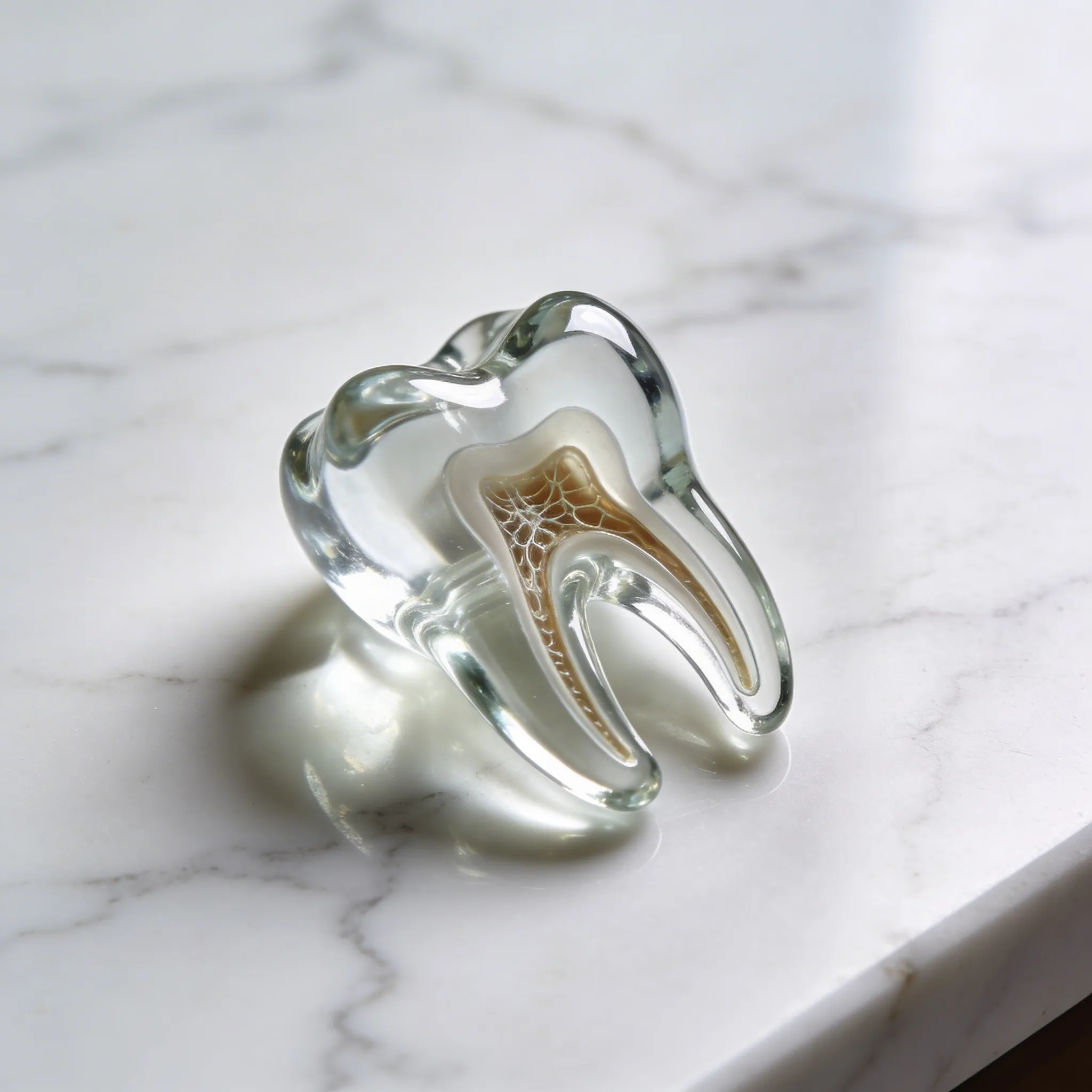
Root canal treatment is a restorative dental procedure that targets the innermost part of the tooth, known as the dental pulp. The pulp contains nerves, blood vessels, and connective tissue. When this area becomes infected or inflamed—often due to deep decay or trauma—it can cause intense pain. The treatment involves carefully accessing the inside of the tooth, removing the damaged tissue, disinfecting the hollow canals, and filling them with a biocompatible material to seal the tooth.

Why Might A Root Canal Be Needed? Beneath the hard outer enamel and dentine of your tooth lies a delicate space housing the dental pulp. If bacteria penetrate this space, they can cause an infection that the body's immune system cannot reach or resolve on its own. Without intervention, the infection can spread to the surrounding bone, leading to intense pain, the formation of an abscess, and eventually the potential loss of the tooth. Root canal treatment aims to remove this infection and preserve the underlying tooth structure.

Diagram showing the dental pulp and root canal system inside a natural tooth

What Is Root Canal Treatment?

Root canal treatment is a restorative dental procedure that targets the innermost part of the tooth, known as the dental pulp. The pulp contains nerves, blood vessels, and connective tissue. When this area becomes infected or inflamed—often due to deep decay or trauma—it can cause intense pain. The treatment involves carefully accessing the inside of the tooth, removing the damaged tissue, disinfecting the hollow canals, and filling them with a biocompatible material to seal the tooth.

Why Might A Root Canal Be Needed? Beneath the hard outer enamel and dentine of your tooth lies a delicate space housing the dental pulp. If bacteria penetrate this space, they can cause an infection that the body's immune system cannot reach or resolve on its own. Without intervention, the infection can spread to the surrounding bone, leading to intense pain, the formation of an abscess, and eventually the potential loss of the tooth. Root canal treatment aims to remove this infection and preserve the underlying tooth structure.

Who May Benefit From Root Canal Treatment?

Adults and teenagers experiencing symptoms of irreversible pulpitis (permanent nerve damage) or a dental abscess may benefit from this procedure. It is generally recommended for patients who wish to avoid tooth extraction and retain their natural smile, provided the tooth has enough healthy structure remaining to be restored.

Dentist consulting with a dental patient at Sunbury Dental Group

Common Signs You May Need Root Canal Treatment

Not all toothaches mean you need a root canal, but certain symptoms strongly suggest the pulp is compromised. These include:

  • Persistent Toothache: A deep, continuous ache that may worsen when lying down or during the night.

  • Sensitivity To Hot Or Cold: Pain from temperature changes that lingers long after the hot or cold stimulus is removed.

  • Swollen Gums: Tenderness, swelling, or a pimple-like bump (fistula) on the gums near the painful tooth.

  • Tooth Discolouration: A tooth that begins to look darker or grey, which may indicate the nerve inside has lost vitality.

  • Pain When Chewing: Sharp pain when applying pressure or biting down on the affected tooth.

  • Dental Abscess: A pocket of pus at the root tip, often visible on an X-ray, causing significant discomfort and facial swelling.

What Causes Tooth Pulp Infection?

The protective layers of a tooth can be breached in several ways, allowing bacteria to enter the pulp chamber:

  • Deep Decay: Untreated cavities that eventually reach the nerve.

  • Repeated Dental Procedures: Multiple large fillings or restorative work on the same tooth over time.

  • Tooth Trauma: A physical blow to the mouth that damages the nerve, even if the tooth doesn't visibly crack.

  • Cracked or Chipped Teeth: Microscopic fractures that create a pathway for bacteria to enter the tooth.

Who May Benefit From Root Canal Treatment? Adults and teenagers experiencing symptoms of irreversible pulpitis (permanent nerve damage) or a dental abscess may benefit from this procedure. It is generally recommended for patients who wish to avoid tooth extraction and retain their natural smile, provided the tooth has enough healthy structure remaining to be restored.

Root Canal Treatment

What Causes Tooth Pulp Infection?

The protective layers of a tooth can be breached in several ways, allowing bacteria to enter the pulp chamber:

  • Deep Decay: Untreated cavities that eventually reach the nerve.

  • Repeated Dental Procedures: Multiple large fillings or restorative work on the same tooth over time.

  • Tooth Trauma: A physical blow to the mouth that damages the nerve, even if the tooth doesn't visibly crack.

  • Cracked or Chipped Teeth: Microscopic fractures that create a pathway for bacteria to enter the tooth.

Who May Benefit From Root Canal Treatment? Adults and teenagers experiencing symptoms of irreversible pulpitis (permanent nerve damage) or a dental abscess may benefit from this procedure. It is generally recommended for patients who wish to avoid tooth extraction and retain their natural smile, provided the tooth has enough healthy structure remaining to be restored.

Assessment And Diagnosis

Every patient's situation is unique. During your consultation at Sunbury Dental Group, Dr Nita Kumari will conduct a thorough oral examination. We will discuss your symptoms, review your medical and dental history, and gently test the affected tooth for sensitivity and vitality. This detailed clinical assessment is critical to ensuring an accurate diagnosis.

Root Canal Treatment Sunbury

Digital X-Rays And Treatment Planning

To see what is happening beneath the gumline, we utilise advanced digital X-rays. These low-radiation images allow us to view the shape of your root canals and detect signs of infection in the surrounding jawbone. Using intra-oral cameras and digital imaging, we will show you exactly what is happening and explain your treatment options clearly. If a root canal is indicated, we will create a tailored treatment plan, complete with a transparent breakdown of expected appointments and costs.

Root Canal Treatment Process Depending on the complexity of the tooth and the severity of the infection, the procedure is typically completed over one to three visits.

  1. Preparation and Comfort: We begin by administering a local anaesthetic to numb the tooth and surrounding area, aiming to keep you comfortable throughout your visit.

  2. Access and Removal: A small opening is made in the top of the tooth. The infected or inflamed pulp is carefully removed from the pulp chamber and root canals.

  3. Cleaning and Shaping: The hollow canals are thoroughly cleaned, disinfected with antibacterial solutions, and precisely shaped to receive the filling material.

  4. Filling and Sealing: Once the canals are clean and dry, they are filled with a biocompatible rubber-like material (gutta-percha) and sealed to prevent bacteria from re-entering.

  5. Temporary Restoration: A temporary filling is usually placed to protect the tooth between visits or before the final permanent restoration is completed.

What Happens After Root Canal Treatment?

As the local anaesthetic wears off, it is normal to experience some mild tenderness or discomfort in the area for a few days, especially if the tooth was significantly infected prior to treatment. This can often be managed with standard over-the-counter pain relief as advised by your dentist. We recommend chewing on the opposite side of your mouth until the tooth is fully restored.

Dental Crowns After Root Canal Treatment Once a tooth has had its internal nerve and blood supply removed, it can become brittle and more susceptible to fracturing over time. For this reason, especially with back teeth (molars and premolars) that endure heavy chewing forces, a custom dental crown is highly recommended. A crown acts as a protective "cap," covering the treated tooth to restore its structural integrity and natural appearance.

Benefits Of Root Canal Treatment

  • Aims to Relieve Pain: Addresses the source of the severe toothache caused by pulp infection.

  • Retains Your Natural Tooth: Helps avoid the need for an extraction and the subsequent requirement for dental implants or bridges.

  • Restores Normal Function: Allows you to return to comfortable biting and chewing once fully restored.

  • Maintains Jaw Alignment: Prevents neighbouring teeth from shifting out of place, which often occurs when a tooth is lost.

Endodontic Treatment Sunbury

What Happens After Root Canal Treatment?

As the local anaesthetic wears off, it is normal to experience some mild tenderness or discomfort in the area for a few days, especially if the tooth was significantly infected prior to treatment. This can often be managed with standard over-the-counter pain relief as advised by your dentist. We recommend chewing on the opposite side of your mouth until the tooth is fully restored.

Dental Crowns After Root Canal Treatment Once a tooth has had its internal nerve and blood supply removed, it can become brittle and more susceptible to fracturing over time. For this reason, especially with back teeth (molars and premolars) that endure heavy chewing forces, a custom dental crown is highly recommended. A crown acts as a protective "cap," covering the treated tooth to restore its structural integrity and natural appearance.

Benefits Of Root Canal Treatment

  • Aims to Relieve Pain: Addresses the source of the severe toothache caused by pulp infection.

  • Retains Your Natural Tooth: Helps avoid the need for an extraction and the subsequent requirement for dental implants or bridges.

  • Restores Normal Function: Allows you to return to comfortable biting and chewing once fully restored.

  • Maintains Jaw Alignment: Prevents neighbouring teeth from shifting out of place, which often occurs when a tooth is lost.

Cost Considerations

We believe in transparent, straightforward pricing. The cost of root canal therapy depends on which tooth is affected (molars have more root canals than front teeth) and the complexity of the infection. Following your initial consultation, we will provide a clear, itemised quote. Sunbury Dental Group accepts all major credit cards and offers on-the-spot HICAPS claiming for eligible private health insurance providers.

Tooth Infection Treatment Sunbury

Potential Risks And Limitations

All dental and medical procedures carry inherent risks, and individual outcomes vary. Potential considerations include:

  • The infection may not completely resolve, occasionally requiring retreatment or a referral to an endodontist (specialist).

  • The fine instruments used to clean the canals could occasionally separate inside narrow or curved root spaces.

  • The tooth may fracture before the final restoration (crown) is securely placed.

  • In some instances, if the tooth is discovered to be too fragile or the canals are impassable, extraction may become the only viable option.

Recovery And Aftercare

Maintaining excellent oral hygiene is vital for the long-term success of a root-canal-treated tooth. Brush twice daily, floss regularly, and attend routine scale and clean appointments. Avoid chewing on hard foods, such as ice or hard lollies, particularly before your permanent crown is fitted.

When To Seek Urgent Dental Care Please contact our clinic immediately if you experience:

  • Swelling that worsens dramatically or spreads to your face or neck.

  • Severe pain that cannot be managed with standard pain relief.

  • An allergic reaction to prescribed medication.

  • The temporary filling falling out prematurely.

Emergency Root Canal Sunbury

Recovery And Aftercare

Maintaining excellent oral hygiene is vital for the long-term success of a root-canal-treated tooth. Brush twice daily, floss regularly, and attend routine scale and clean appointments. Avoid chewing on hard foods, such as ice or hard lollies, particularly before your permanent crown is fitted.

When To Seek Urgent Dental Care Please contact our clinic immediately if you experience:

  • Swelling that worsens dramatically or spreads to your face or neck.

  • Severe pain that cannot be managed with standard pain relief.

  • An allergic reaction to prescribed medication.

  • The temporary filling falling out prematurely.

Ready for a confident smile? Book your FREE consultation

For Cosmetic Dentistry, Braces & Invisalign, Dental Implants, and Smile Makeovers.

F.A.Q

Root canal treatment, also known as endodontic therapy, is a dental procedure used to treat infection or inflammation deep inside a tooth's root system. The treatment involves removing the infected dental pulp, carefully cleaning and shaping the root canals, and sealing the space to prevent further bacterial ingress. This procedure aims to alleviate severe tooth pain and allow patients to retain their natural tooth, which is often later protected with a custom dental crown. Individual assessments are required to determine patient suitability.

The procedure itself is performed under local anaesthetic, meaning the tooth and surrounding area will be completely numb. Most patients report that the procedure feels similar to having a standard filling. The treatment is actually designed to relieve the severe pain caused by the tooth infection.

Depending on the severity of the infection and the anatomy of the tooth, the treatment is typically completed over one to three appointments. Your dentist will outline your specific timeline during the initial consultation.

Retaining your natural tooth is generally the preferred approach when possible. Extracting a tooth can lead to neighbouring teeth shifting and jawbone changes, and may require more costly replacements like dental implants or bridges. However, your dentist will discuss the pros and cons of both options based on your individual assessment.

Most patients can return to work or their normal daily activities immediately after their appointment, once the local anaesthetic wears off. You may experience some mild tenderness in the area for a few days, which is usually manageable with standard pain relief.

Health fund eligibility varies by individual policy. We have HICAPS available on-site, allowing you to claim your available rebate immediately. We recommend checking directly with your provider regarding your specific level of cover for endodontic (root canal) services.