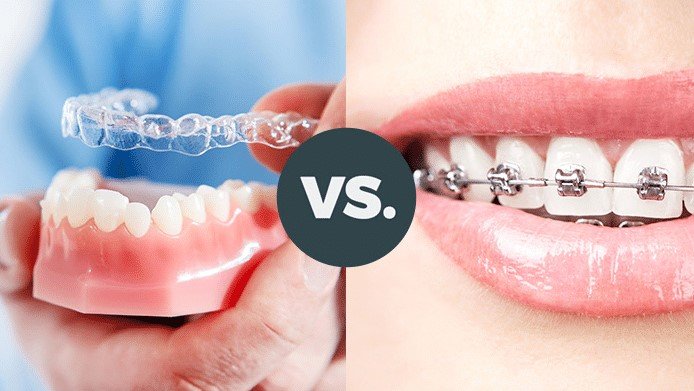
A healthy, confident smile is one of the most valuable investments you can make. Whether you’re a teenager preparing for your first orthodontic consultation or an adult looking to improve your smile discreetly, understanding the difference between braces vs aligners is essential before starting treatment.
Modern orthodontics has transformed dramatically over the past decade. Patients are no longer limited to traditional metal braces. Today, clear aligners offer a nearly invisible alternative that appeals to people who want flexibility and aesthetics. However, this doesn’t mean aligners are always the better choice.
Choosing between braces vs aligners depends on several factors, including your dental condition, treatment goals, budget, lifestyle, oral hygiene habits, and the recommendation of your orthodontist.
In this detailed guide, you’ll learn everything about braces vs aligners, including their advantages, disadvantages, treatment process, cost, effectiveness, maintenance, and which option may be best for your unique smile.
Whether you’re located in Sunbury, Melbourne, Victoria, or anywhere across Australia, this guide will help you make an informed decision.
What Are Braces?
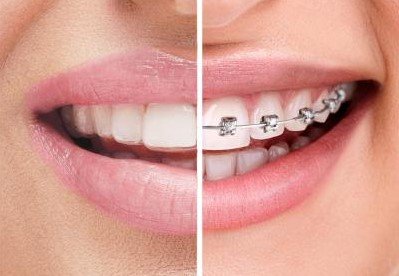 Braces are fixed orthodontic appliances designed to correct crooked teeth, overcrowding, gaps, bite problems, and jaw alignment issues. They have been successfully used for decades and remain one of the most reliable orthodontic treatments available.
Traditional braces consist of several components working together:
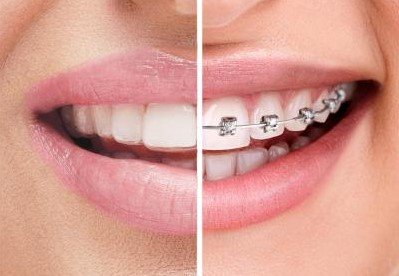
- Metal brackets bonded to each tooth
- Archwires connecting all brackets
- Elastic bands securing the wire
- Orthodontic adjustments performed regularly
Unlike removable appliances, braces stay attached throughout treatment, providing continuous pressure that gradually moves teeth into their correct positions.
Today’s braces are significantly more comfortable, smaller, and more efficient than older versions.
How Do Braces Work?
Braces apply gentle and controlled pressure on your teeth over time.
The orthodontist periodically tightens or changes the archwire, encouraging teeth to move gradually through the jawbone.
This process stimulates natural bone remodeling:
- Bone dissolves where pressure is applied.
- New bone forms behind the moving tooth.
- Teeth slowly shift into ideal alignment.
Although movement is gradual, the results can permanently improve both appearance and oral health.
Types of Braces
Traditional Metal Braces
Metal braces are the most common orthodontic treatment worldwide.
Advantages
- Extremely effective
- Durable
- Suitable for severe orthodontic cases
- Usually the most affordable option
Disadvantages
- Highly visible
- Food restrictions
- More difficult cleaning
Ceramic Braces
Ceramic braces work similarly to metal braces but use tooth-colored brackets that blend with natural teeth.
Benefits
- Less noticeable
- Effective for complex cases
- Popular among adults
Limitations
- Slightly more expensive
- Brackets may stain without proper care
- More fragile than metal braces
Lingual Braces
Lingual braces are attached behind the teeth, making them virtually invisible from the front.
Advantages include:
- Hidden appearance
- Effective treatment
- Ideal for professionals
However, they often require:
- Longer adjustment periods Braces vs Aligners
- More expensive treatment Braces vs Aligners
- Greater cleaning effort Braces vs Aligners
Self-Ligating Braces
These braces use a specialized clip instead of elastic bands.
Potential benefits include:
- Less friction
- Easier cleaning
- Shorter appointments
- Improved comfort
Common Dental Problems Braces Can Treat
Braces successfully correct numerous orthodontic issues.
These include:
- Crowded teeth
- Crooked teeth
- Rotated teeth
- Overbite
- Underbite
- Crossbite
- Open bite
- Spacing issues
- Jaw alignment problems
- Complex orthodontic conditions
For severe cases, braces often remain the preferred treatment compared to clear aligners.
What Are Aligners?
When comparing braces vs aligners, aligners represent the modern approach to orthodontic care.
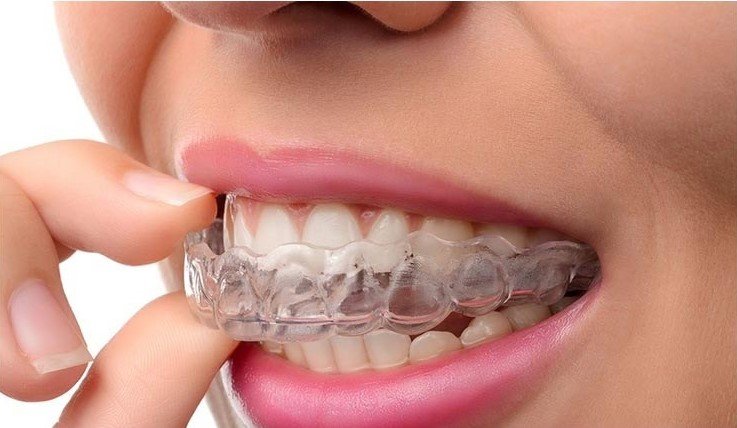
Aligners are transparent plastic trays custom-made to fit over your teeth.
Instead of brackets and wires, each aligner gradually moves teeth using carefully calculated pressure.
Patients typically receive a series of aligners, changing to a new set every one to two weeks.
Each aligner continues moving teeth closer to their final position.
How Do Aligners Work?
Digital technology plays a significant role in aligner treatment.
The process usually involves:
Digital Scan
Instead of messy impressions, many clinics use advanced 3D scanners.
Treatment Planning
Computer software predicts every stage of tooth movement.
Patients often receive a digital preview of their future smile.
Manufacturing
Custom aligners are created specifically for your teeth.
Wearing Aligners
Patients wear aligners:
- 20–22 hours daily
- Removing only for eating and drinking (except water)
- Removing for brushing and flossing
Consistent wear is essential for successful results.
Types of Clear Aligners
Modern orthodontics offers several aligner systems.
Examples include:
- Invisalign
- Spark Aligners
- Angel Aligner
- ClearCorrect
- SureSmile Aligners
Each system uses slightly different materials and treatment technologies, but they all work on similar orthodontic principles.
Dental Problems Aligners Can Treat
Modern aligners can successfully manage many orthodontic issues, including:
- Mild crowding
- Moderate crowding
- Tooth spacing
- Minor bite issues
- Mild overbite
- Mild crossbite
- Mild open bite
- Relapse after previous braces
However, severe skeletal or highly complex orthodontic cases may still require braces.
Braces vs Aligners Quick Comparison
| Feature | Braces | Aligners |
| Appearance | Visible | Nearly invisible |
| Removable | No | Yes |
| Comfort | Moderate | Generally more comfortable |
| Cleaning | More difficult | Easier |
| Eating Restrictions | Yes | No (remove aligners first) |
| Office Visits | More frequent | Usually fewer |
| Suitable for Complex Cases | Excellent | Limited for some severe cases |
| Compliance Needed | Low | High (must wear consistently) |
| Speech Changes | Minimal | Temporary slight lisp possible |
| Treatment Flexibility | Excellent | Very good for suitable cases |
Who Should Choose Braces?
Braces are often recommended for patients who:
- Have severe crowding
- Need significant bite correction
- Have rotated teeth
- Require jaw alignment treatment
- Want a treatment that doesn’t rely on daily compliance
- Are younger patients who may struggle to wear removable aligners consistently
Because braces are fixed, they work continuously without relying on patient discipline.
Who Should Choose Aligners?
Aligners may be ideal if you:
- Prefer a discreet appearance
- Work in a professional environment
- Have mild to moderate orthodontic concerns
- Can wear aligners for 20–22 hours each day
- Want fewer dietary restrictions
- Prioritize convenience and aesthetics
Patients who are committed to wearing aligners as instructed often achieve excellent results.
Why the Right Choice Matters
The decision between braces vs aligners goes beyond appearance. It affects treatment time, comfort, oral hygiene, lifestyle, and long-term outcomes. A personalized assessment by an orthodontic professional is the best way to determine which option fits your needs and smile goals.
Braces vs Aligners Benefits, Cost, Treatment Time & Lifestyle Comparison
Why Comparing Braces vs Aligners Is Important
When deciding between braces vs aligners, many patients focus only on appearance. While aesthetics matter, they are only one part of the decision. Factors such as treatment effectiveness, oral hygiene, comfort, cost, and long-term results should also be considered.
Orthodontic treatment is an investment in your oral health and confidence. Choosing the right option with guidance from an experienced orthodontist can improve your bite, reduce the risk of tooth wear, and make cleaning your teeth easier.
Benefits of Braces
Traditional braces continue to be one of the most trusted orthodontic treatments because they can successfully correct simple and highly complex dental problems.
- Highly Effective for Complex Cases
Braces can treat:
- Severe crowding
- Large gaps
- Impacted teeth
- Rotated teeth
- Deep overbite
- Underbite
- Crossbite
- Open bite
- Jaw alignment problems
Unlike removable aligners, braces provide continuous force throughout the day.
- No Need to Remember Wearing Them
Since braces are fixed to the teeth, patients do not have to remember to wear them.
This makes braces ideal for:
- Teenagers
- Children
- Patients who may forget removable aligners
- Predictable Results
Orthodontists have used braces successfully for decades.
Their ability to move teeth in multiple directions makes treatment highly predictable, even in complicated cases.
- Suitable for Almost Everyone
Whether you have minor spacing or severe bite issues, braces can usually provide an effective solution.
Advantages of Clear Aligners
Many adults now prefer clear aligners because they combine modern technology with excellent aesthetics.
Nearly Invisible Appearance Braces vs Aligners
One of the biggest reasons people choose aligners is that they are difficult to notice.
This is especially beneficial for:
- Working professionals
- University students
- Public speakers
- Wedding preparations
- Business executives
Comfortable to Wear
Aligners are made from smooth medical-grade plastic.
Unlike brackets and wires, they do not usually cause:
- Mouth ulcers
- Wire irritation
- Sharp edges
Most patients adapt within a few days.
Easier Oral Hygiene
Patients simply remove the aligners before:
- Brushing
- Flossing
- Mouthwash
This allows much better oral hygiene than fixed braces.
Eat Whatever You Want
Unlike braces, aligners are removed before meals.
Patients can continue enjoying foods like:
- Apples
- Nuts
- Steak
- Popcorn
- Pizza
- Corn on the cob
There are virtually no food restrictions, provided aligners are removed before eating.
Disadvantages of Braces
Although braces remain highly effective, they also have some drawbacks.
Visible Appearance
Metal braces are clearly visible during:
- Smiling
- Speaking
- Photographs
Some patients feel self-conscious, especially adults.
Food Restrictions Braces vs Aligners
Patients should avoid:
- Sticky candy
- Hard nuts
- Ice cubes
- Chewing gum
- Hard bread crusts
- Caramel
These foods may damage brackets or wires.
Cleaning Takes Longer
Food can become trapped around brackets.
Patients should:
- Brush after meals
- Floss daily using orthodontic flossers
- Attend regular dental cleanings
Initial Discomfort
Each adjustment appointment may cause mild soreness for a few days.
Disadvantages of Aligners
Although aligners are convenient, they also require discipline.
Must Be Worn 20–22 Hours Daily
Failure to wear aligners consistently can:
- Delay treatment
- Cause poor tooth movement
- Increase treatment time
Easy to Lose
Because aligners are removable, some patients accidentally:
- Throw them away
- Leave them in restaurants
- Misplace them while travelling
Replacement trays may involve additional costs.
Not Ideal for Every Complex Case
Although aligner technology has advanced significantly, braces may still provide better control for severe orthodontic issues.
Braces vs Aligners Cost in Australia
Treatment costs vary depending on:
- Complexity
- Treatment duration
- Orthodontist experience
- Location
- Type of appliance
Typical price ranges in Australia Braces vs Aligners:
| Treatment | Estimated Cost (AUD) |
| Traditional Metal Braces | $6,000–$9,000 |
| Ceramic Braces | $6,500–$9,500 |
| Lingual Braces | $9,000–$15,000 |
| Clear Aligners | $4,500–$10,000 |
Some dental clinics also offer interest-free payment plans to help spread the cost.
Braces vs Aligners Treatment Time
Treatment duration depends on the severity of the orthodontic problem.
Mild Cases
- Aligners: 6–12 months
- Braces: 8–14 months
Moderate Cases
- Aligners: 12–18 months
- Braces: 12–24 months
Severe Cases
- Aligners: May not be suitable
- Braces: 18–30 months
Following your orthodontist’s instructions can help avoid unnecessary delays.
Comfort Comparison Braces vs Aligners
Braces
Patients may experience:
- Pressure after adjustments
- Wire irritation
- Bracket rubbing
Orthodontic wax can often help reduce irritation.
Aligners
Most patients report:
- Mild pressure with each new tray
- Smooth edges
- Less irritation overall
Because there are no brackets or wires, aligners are often considered more comfortable.
Oral Hygien Which Is Easier?
Maintaining excellent oral hygiene is essential regardless of treatment type.
With Braces
Daily care includes:
- Brushing after every meal
- Using interdental brushes
- Flossing with orthodontic threaders
- Regular professional cleanings
Food can become trapped around brackets if cleaning is not thorough.
With Aligners
Patients simply:
- Remove the aligners.
- Brush and floss normally.
- Clean the aligners.
- Reinsert them after meals.
This routine makes oral hygiene easier for many people.
Eating and Lifestyle
Braces
Patients should avoid foods that can damage brackets or wires.
Common restrictions include:
- Hard candy
- Sticky sweets
- Popcorn kernels
- Ice
- Chewy foods
Aligners
Because aligners are removed before eating, patients generally have no food restrictions. It is important to brush before reinserting the trays to reduce the risk of plaque buildup and staining.
Which Option Looks Better?
Appearance is one of the biggest differences in the braces vs aligners discussion.
Braces
- More visible
- Available in metal or ceramic
- Colored elastic bands can be customized
Aligners
- Clear and discreet
- Popular with adults
- Suitable for professional settings and social events
Are Aligners as Effective as Braces?
For many mild to moderate orthodontic cases, clear aligners can achieve results comparable to braces. However, complex tooth movements, significant bite corrections, and certain jaw alignment issues may still be treated more predictably with fixed braces.
The most appropriate option depends on your individual diagnosis, not just personal preference.
Braces vs Aligners for Adults, Teenagers, and Children
Braces vs Aligners for Adults
Many adults seek orthodontic treatment to improve their smile, boost confidence, and support long-term oral health.
Why Adults Often Choose Aligners
Adults frequently prefer aligners because they:
- Are nearly invisible
- Fit professional lifestyles
- Can be removed for meetings and events
- Make oral hygiene easier
- Offer greater comfort
However, adults with complex orthodontic issues may still benefit more from braces.
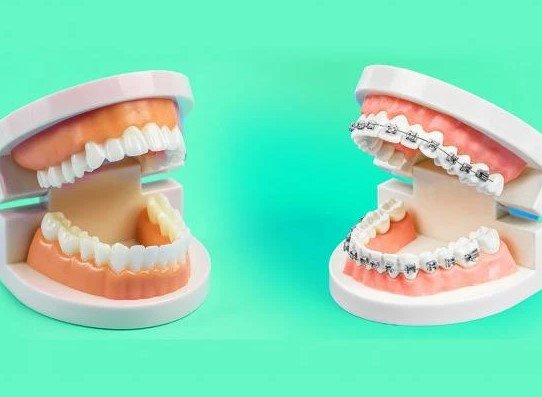
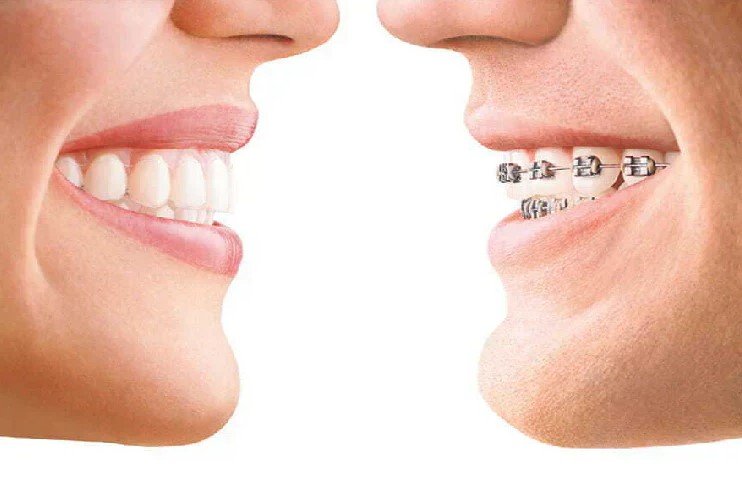
When Braces May Be Better for Adults
Braces can be a better option if you have:
- Severe crowding
- Significant bite problems
- Impacted teeth
- Complex tooth movement requirements
An orthodontic consultation is essential to determine the most effective treatment.
Braces vs Aligners for Teenagers
Teenagers are often excellent candidates for both treatment options.
Benefits of Braces for Teenagers
- No risk of forgetting to wear them
- Effective for complex cases
- Durable and reliable
- Continuous treatment progress
Benefits of Aligners for Teenagers
- More discreet appearance
- Easier brushing and flossing
- No food restrictions
- Comfortable fit
Teen aligner programs often include compliance indicators to help monitor wear time.
Braces vs Aligners for Children
For younger children, braces are generally the more common treatment.
Reasons include:
- Better compliance
- Greater control over tooth movement
- Suitable for developing teeth and jaws
- Effective for early orthodontic intervention
Orthodontists may recommend interceptive treatment before all permanent teeth have erupted.
Expert Orthodontist Tips Before Choosing Treatment
Before selecting braces or aligners, consider the following:
- Focus on Results, Not Just Appearance
Many patients choose aligners because they look better. However, effectiveness should always be the primary factor.
- Understand Your Commitment Level
Aligners require excellent compliance.
If you are unlikely to wear aligners for 20–22 hours daily, braces may be a better option.
- Consider Your Lifestyle
Think about:
- Work environment
- Social activities
- Sports participation
- Oral hygiene habits
- Choose an Experienced Orthodontic Provider
The skill of your orthodontist plays a major role in treatment success.
Braces vs Aligners Side-by-Side Summary
| Factor | Braces | Aligners |
| Visibility | Visible | Nearly invisible |
| Comfort | Moderate | High |
| Oral Hygiene | More difficult | Easier |
| Food Restrictions | Yes | No |
| Compliance Needed | Low | High |
| Complex Cases | Excellent | Limited in some cases |
| Removable | No | Yes |
| Professional Appearance | Moderate | Excellent |
| Cost | Moderate | Moderate to High |
| Popular Among Adults | Good | Excellent |
Frequently Asked Questions
Are aligners better than braces?
Aligners are not necessarily better. The right option depends on your dental condition, treatment goals, and orthodontist’s recommendation.
Can aligners fix severe crowding?
Some moderate crowding cases can be treated with aligners, but severe crowding often responds better to braces.
Do braces work faster than aligners?
Treatment time depends on the complexity of the case. In some situations, braces may achieve results more efficiently.
Are aligners painful?
Most patients experience mild pressure when changing to a new aligner tray. This is usually temporary.
Do braces hurt?
Braces can cause temporary discomfort after adjustments, but this typically improves within a few days.
Which option is more affordable?
Costs vary depending on treatment complexity and location. Traditional braces are often slightly less expensive.
Can adults wear braces?
Absolutely. Orthodontic treatment is suitable for patients of almost any age.
Do aligners affect speech?
Some patients notice a slight lisp initially, but this usually disappears after a short adjustment period.
Can I eat with aligners?
No. Aligners should be removed before eating or drinking anything other than water.
How often do braces need adjustments?
Most patients visit their orthodontist every 4–8 weeks.
How often are aligner appointments required?
Appointments are usually scheduled every 6–12 weeks.
Which treatment looks more natural?
Aligners are generally considered the most discreet orthodontic option.
Can braces correct bite problems?
Yes. Braces are highly effective for treating bite issues such as overbite, underbite, and crossbite.
Are aligners suitable for teenagers?
Many teenagers are excellent candidates for aligners, provided they wear them consistently.
Can aligners close gaps between teeth?
Yes. Aligners can effectively close many types of spacing issues.
What happens after treatment Braces vs Aligners?
Most patients require retainers to maintain their results.
Final Verdict.
The Braces vs Aligners debate does not have a one-size-fits-all answer.
Braces remain the gold standard for treating complex orthodontic cases and offer reliable, predictable results.
Aligners provide a discreet, comfortable, and convenient alternative for many patients with mild to moderate orthodontic concerns.
Ultimately, the best treatment is the one that matches your clinical needs, lifestyle, and commitment level.
A comprehensive orthodontic assessment is the best way to determine which option will deliver the healthiest and most attractive smile.
If you live in Sunbury, Victoria, or surrounding Melbourne suburbs, consulting with an experienced orthodontic provider can help you make a confident decision and achieve lasting results.
When comparing Braces vs Aligners, both treatments offer excellent ways to achieve a straighter, healthier smile. Braces provide unmatched effectiveness for complex orthodontic issues, while aligners deliver convenience, comfort, and a discreet appearance Braces vs Aligners. By working with an experienced orthodontic professional, you can choose the treatment that best fits your needs and enjoy long-term oral health benefits. The right choice today can lead to a confident smile for years to come.