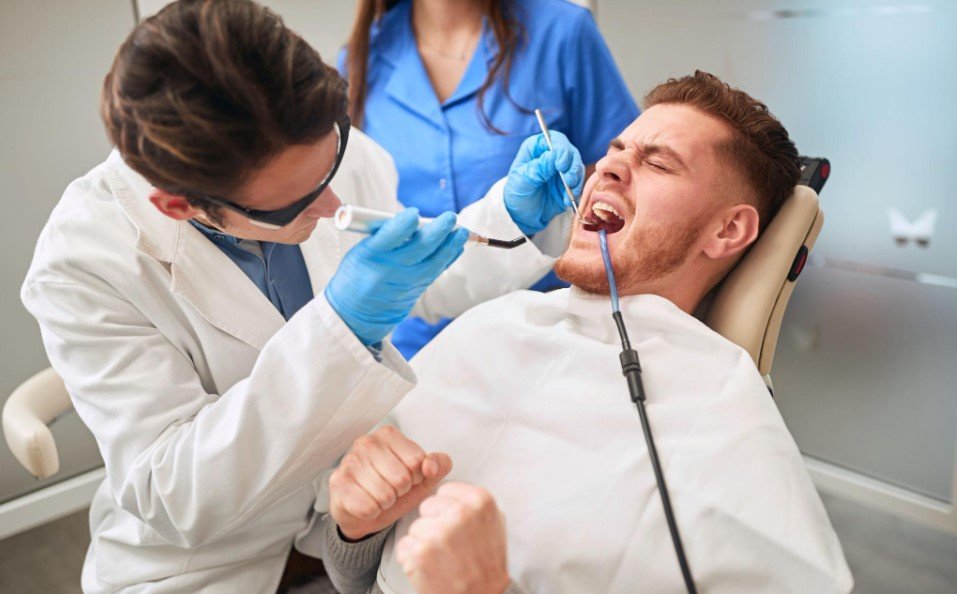
Dentist Profession: A Complete Guide to Careers, Skills, Education, and Opportunities in Australia
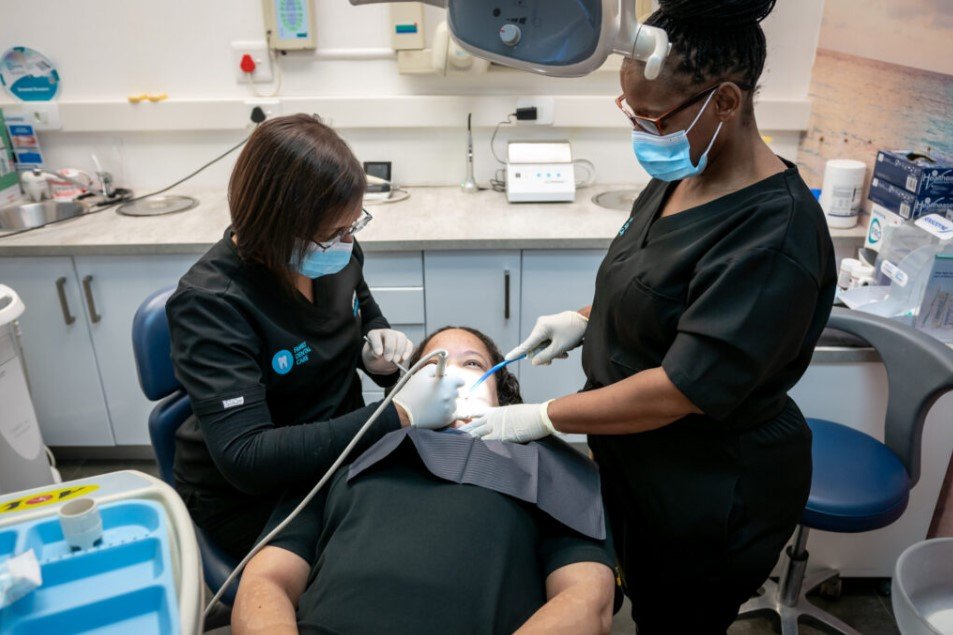 The profession is one of the most respected and rewarding careers in healthcare. Dentists play a vital role in helping people maintain healthy teeth, gums, and smiles while preventing and treating oral diseases. Beyond improving oral health, dentists contribute to overall well-being because many health conditions, including diabetes and heart disease, can be linked to oral health.
In Australia, the demand for qualified dental professionals continues to grow as communities place greater emphasis on preventive care and regular dental check-ups. Whether serving families in Melton, Victoria, or patients in major cities, dentists are essential members of the healthcare system.
If you are considering a career in dentistry or simply want to understand the dentist profession, this comprehensive guide explains what dentists do, the skills they need, their responsibilities, career opportunities, and why dentistry remains one of Australia’s most respected professions.
What Is the Dentist Profession?
The dentist profession involves diagnosing, preventing, and treating diseases and conditions affecting the teeth, gums, jaw, and other oral tissues. Dentists use their knowledge, clinical skills, and modern technology to help patients maintain good oral health throughout every stage of life.
Dentists do much more than fill cavities. They educate patients about oral hygiene, detect early signs of disease, perform restorative and cosmetic treatments, and work closely with other healthcare professionals to support overall health.
Modern dentistry combines science, technology, communication, and patient care, making it a dynamic and continually evolving profession.
Why the Dentist Profession Is Important
Oral health is closely connected to general health. Poor dental hygiene can contribute to infections, nutritional problems, and chronic diseases. Through preventive care and early diagnosis, dentists help reduce the risk of serious oral health issues.
The dentist profession contributes to:
- Preventing tooth decay and gum disease
- Detecting oral cancer at an early stage
- Restoring damaged teeth
- Improving chewing and speaking ability
- Enhancing confidence through healthier smiles
- Educating patients about proper oral hygiene
- Supporting long-term overall health
Communities such as Melton, Victoria, benefit from accessible dental care that promotes healthier lifestyles and reduces the need for complex treatments.
What Does a Dentist Do?
 A dentist’s daily responsibilities vary depending on the type of practice and the patients they treat. However, most dentists perform a wide range of preventive, diagnostic, and restorative procedures.
Typical responsibilities include:
- Examining teeth and gums
- Diagnosing oral diseases
- Taking and interpreting dental X-rays
- Treating cavities
- Performing tooth restorations
- Extracting damaged teeth
- Providing preventive care
- Creating personalised treatment plans
- Educating patients about oral hygiene
- Monitoring oral health over time
Each patient receives individual care based on their oral health needs and medical history.
Key Responsibilities in the Dentist Profession
The dentist profession requires technical expertise and excellent patient care. Dentists are responsible for helping patients achieve and maintain healthy smiles through accurate diagnosis and effective treatment.
Oral Health Assessments
Routine dental examinations allow dentists to identify problems before they become serious.
During a comprehensive examination, a dentist may:
- Check for tooth decay
- Assess gum health
- Examine the jaw and bite
- Evaluate existing restorations
- Screen for oral cancer
- Review medical history
Early diagnosis often results in simpler and more effective treatment.
Preventive Dental Care
Prevention is one of the most important aspects of the dentist profession.
Preventive services may include:
- Regular dental check-ups
- Professional teeth cleaning
- Fluoride treatments
- Dental sealants
- Oral hygiene education
- Dietary advice
These services help reduce the risk of future dental problems.
Restorative Dentistry
When teeth become damaged through decay, injury, or wear, dentists restore their function and appearance.
Common restorative procedures include:
- Tooth-coloured fillings
- Dental crowns
- Dental bridges
- Root canal treatment
- Dental implants
- Dentures
The goal is to preserve natural teeth whenever possible while restoring comfort and function.
Cosmetic Dentistry
Many patients seek treatment to improve the appearance of their smiles.
Cosmetic procedures may include:
- Teeth whitening
- Porcelain veneers
- Smile makeovers
- Cosmetic bonding
- Tooth contouring
These treatments help improve confidence while maintaining healthy teeth.
Emergency Dental Care
Dentists also provide urgent treatment for unexpected dental problems.
Examples include:
- Severe toothache
- Broken teeth
- Dental abscesses
- Lost fillings
- Knocked-out teeth
- Swollen gums
Prompt treatment helps relieve pain and prevent complications.
Essential Skills Required in the Dentist Profession
Success in the dentist profession requires more than clinical knowledge. Dentists must combine technical ability with communication, compassion, and problem-solving skills.
Clinical Skills
Dentists perform delicate procedures that require precision and attention to detail. Accurate diagnosis and careful treatment planning are essential for achieving successful outcomes.
Communication Skills
Dentists explain diagnoses, treatment options, and preventive advice in a way that patients can understand. Clear communication helps patients make informed decisions about their oral health.
Manual Dexterity
Many dental procedures involve working in small areas of the mouth using specialised instruments. Excellent hand-eye coordination is an important skill for every dentist.
Critical Thinking
Dentists assess symptoms, interpret diagnostic information, and develop personalised treatment plans. Strong analytical skills support effective decision-making.
Patience and Compassion
Some patients feel anxious about visiting the dentist. A calm, understanding approach helps build trust and creates a more positive experience.
Time Management
Dentists often balance multiple appointments throughout the day while ensuring every patient receives high-quality care. Effective organisation helps maintain efficient practice operations.
Personal Qualities of a Successful Dentist
People entering the dentist profession often share several important personal qualities, including:
- Professionalism
- Honesty
- Attention to detail
- Empathy
- Commitment to lifelong learning
- Strong work ethic
- Reliability
- Leadership
- Teamwork
- Adaptability
These qualities contribute to positive patient relationships and successful clinical outcomes.
Modern Technology in the Dentist Profession
Advances in technology have transformed modern dentistry. Today’s dentists use innovative equipment to improve diagnosis, treatment planning, and patient comfort.
Common technologies include:
- Digital X-rays
- Intraoral cameras
- 3D dental scanners
- CAD/CAM technology
- Laser dentistry
- Digital impressions
- Cone Beam CT imaging
These technologies help provide more accurate diagnoses, efficient treatment, and improved patient experiences.
The Dentist Profession in Melton, Victoria
As Melton, Victoria, continues to grow, the demand for experienced dental professionals is increasing. Families, children, adults, and older Australians all require access to high-quality dental care, making the dentist profession an important part of the local healthcare system.
Dentists in Melton provide a wide range of services, from preventive check-ups and children’s dentistry to restorative, cosmetic, and emergency treatments. They also work closely with dental hygienists, oral health therapists, specialists, and other healthcare providers to deliver comprehensive patient care.
For individuals considering a career in the dentist profession, Melton offers opportunities to work in modern dental clinics while serving a diverse and expanding community.
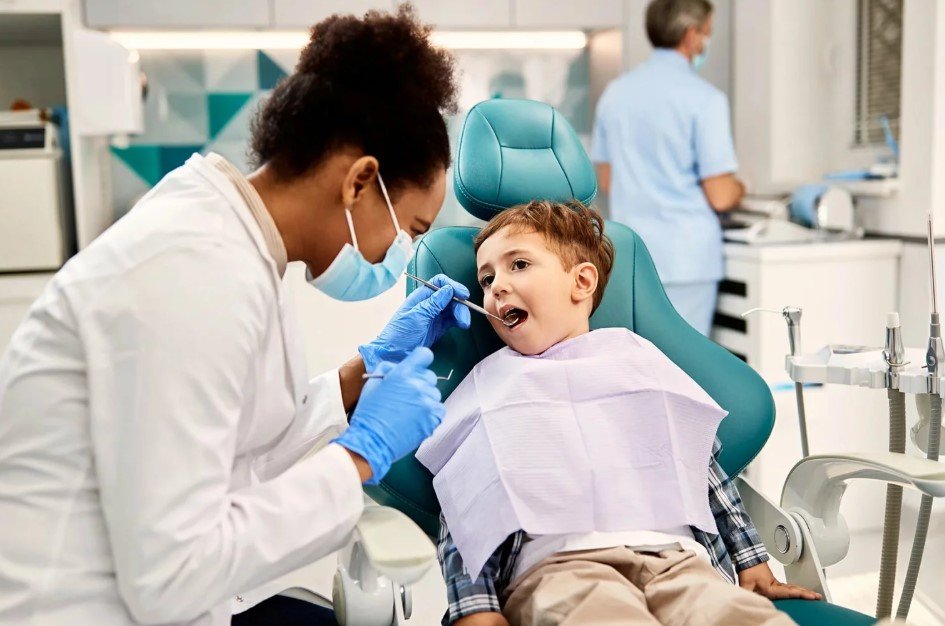

Why Choose the Dentist Profession?
Choosing the dentist profession offers the opportunity to make a meaningful difference in people’s lives every day. Dentists help relieve pain, restore oral function, improve confidence, and educate patients about lifelong oral health.
Some of the key benefits of becoming a dentist include:
- Making a positive impact on patients’ health
- Working in a respected healthcare profession
- Opportunities for continuous learning
- Diverse career pathways and specialties
- Strong demand for dental professionals in Australia
- The ability to build long-term relationships with patients
- Access to modern technology and innovative treatments
- Professional and personal satisfaction
For those with a passion for healthcare, science, and helping others, the dentist profession provides a rewarding and stable career with excellent long-term opportunities.
Education, Qualifications, and Career Path in the Dentist Profession
Becoming a successful professional in the dentist profession requires dedication, academic excellence, practical clinical training, and a commitment to lifelong learning. Dentists are responsible for diagnosing and treating complex oral health conditions, so they must complete extensive education before they are qualified to practise independently.
In Australia, dentists must meet strict professional and regulatory standards to ensure patients receive safe, ethical, and high-quality dental care.
How to Become a Dentist in Australia
If you are interested in joining the dentist profession, the journey typically involves several important steps.
Complete Secondary Education
Students who wish to become dentists should focus on subjects that provide a strong scientific foundation, including:
- Biology
- Chemistry
- Physics
- Mathematics
- English
Strong academic performance is essential because entry into dental programs is highly competitive.
Earn a Dental Degree
After completing secondary education, students must enrol in an accredited dental program offered by an Australian university.
Dental education combines classroom learning with extensive clinical experience. Throughout the program, students study topics such as:
- Human anatomy
- Oral anatomy
- Physiology
- Pathology
- Dental materials
- Pharmacology
- Oral surgery
- Restorative dentistry
- Preventive dentistry
- Periodontology
- Prosthodontics
- Orthodontics
- Paediatric dentistry
- Infection control
- Patient communication
Students also complete supervised clinical placements, where they gain practical experience treating patients under the guidance of experienced dental professionals.
Registration and Professional Requirements
Graduates entering the dentist profession must register with the appropriate Australian regulatory authorities before they can practise.
Registration helps ensure that every practising dentist meets national standards for:
- Clinical competence
- Professional ethics
- Patient safety
- Continuing education
- Infection prevention
- Professional conduct
Dentists are also expected to participate in continuing professional development (CPD) throughout their careers to keep their knowledge and skills up to date.
Continuing Professional Development
Modern dentistry continues to evolve through advances in technology, materials, and treatment techniques.
For this reason, professionals working in the dentist profession regularly attend:
- Professional seminars
- Clinical workshops
- Dental conferences
- Online education programs
- Hands-on training courses
- Research presentations
Continuing education allows dentists to provide patients with modern, evidence-based dental care.
Career Opportunities in the Dentist Profession
The dentist profession offers a wide variety of career opportunities. While many dentists work in private practice, others choose careers in hospitals, community health services, universities, research institutions, or government healthcare programs.
Common career settings include:
- Private dental clinics
- Public dental services
- Community health centres
- Hospitals
- Universities
- Defence services
- Research organisations
- Specialist dental practices
Some dentists also establish and manage their own dental practices, combining clinical care with business leadership.
Dental Specialisations
After gaining clinical experience, many professionals in the dentist profession choose to specialise in a specific area of dentistry.
Popular dental specialties include:
Orthodontics
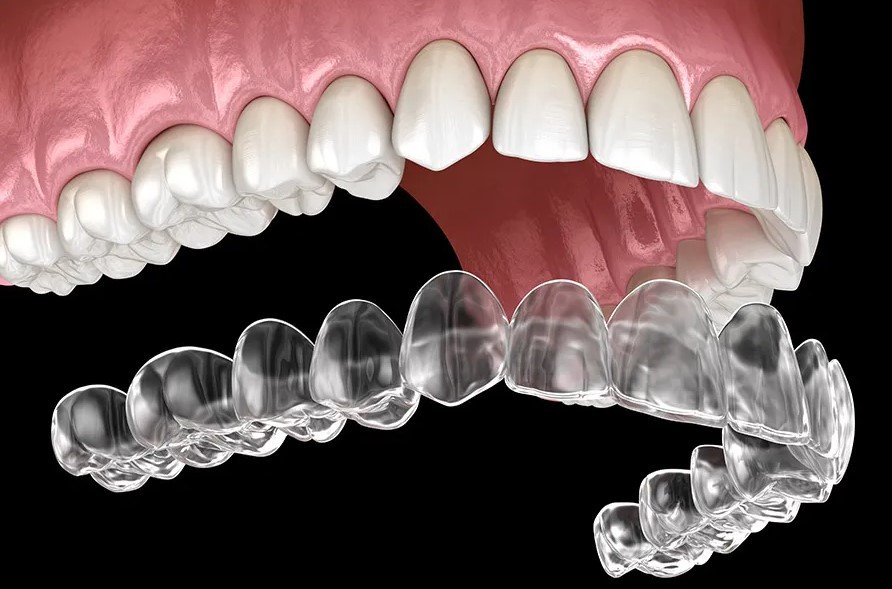
Orthodontists diagnose and treat problems related to tooth alignment and jaw positioning using braces, clear aligners, and other orthodontic appliances.
Oral and Maxillofacial Surgery
These specialists perform complex surgical procedures involving the mouth, jaw, and facial structures.
Paediatric Dentistry
Paediatric dentists focus on the oral health of infants, children, and adolescents while creating positive dental experiences for young patients.
Periodontics
Periodontists specialise in preventing and treating gum disease and placing dental implants.
Prosthodontics
Prosthodontists restore missing or damaged teeth using crowns, bridges, dentures, and implant-supported restorations.
Endodontics
Endodontists specialise in root canal treatment and managing diseases affecting the dental pulp.
Oral Medicine
Oral medicine specialists diagnose and manage complex diseases affecting the mouth and surrounding tissues.
Work Environment of a Dentist
The dentist profession provides a modern and professional working environment equipped with advanced technology.
A typical dental practice includes:
- Digital X-ray systems
- Dental treatment rooms
- Sterilisation facilities
- Diagnostic equipment
- Digital patient records
- CAD/CAM technology
- Comfortable patient waiting areas
Dentists usually work alongside:
- Dental assistants
- Dental hygienists
- Oral health therapists
- Reception staff
- Practice managers
- Dental technicians
Effective teamwork ensures patients receive comprehensive and efficient care.
A Typical Day in the Dentist Profession
Every day in the dentist profession involves a variety of clinical and administrative responsibilities.
A typical working day may include:
- Reviewing patient records.
- Conducting routine examinations.
- Performing restorative procedures.
- Providing preventive care.
- Managing emergency appointments.
- Discussing treatment plans.
- Taking digital X-rays.
- Completing clinical documentation.
- Communicating with specialists.
- Educating patients about oral hygiene.
No two days are exactly the same, making dentistry an engaging and rewarding profession.
Skills That Help Dentists Succeed
Successful professionals in the dentist profession combine technical expertise with excellent interpersonal skills.
Essential abilities include:
- Critical thinking
- Manual dexterity
- Communication
- Problem-solving
- Leadership
- Professional ethics
- Attention to detail
- Compassion
- Time management
- Decision-making
These skills enable dentists to provide safe, patient-centred care while building long-term relationships with their patients.
Salary Expectations in Australia
The dentist profession is recognised as one of Australia’s well-paid healthcare careers. Earnings vary depending on factors such as:
- Experience
- Qualifications
- Location
- Type of practice
- Clinical specialties
- Working hours
Dentists who own successful practices or specialise in advanced areas of dentistry may earn significantly more than entry-level practitioners.
While salary is an important consideration, many dentists choose the profession because of the opportunity to improve patients’ quality of life and contribute to community health.
 Employment Opportunities in Melton, Victoria
The growing population of Melton, Victoria, has created increasing demand for qualified dental professionals. As new families move into the region, the need for preventive, restorative, cosmetic, and emergency dental services continues to expand.
Dentists working in Melton may provide services such as:
- Routine dental examinations
- Children’s dentistry
- Preventive dental care
- Cosmetic dentistry
- Dental implants
- Root canal treatment
- Emergency dental treatment
- Wisdom teeth assessments
- Gum disease management
- Teeth whitening
With continued residential growth, the dentist profession offers excellent career opportunities for professionals interested in serving local communities while working in modern, well-equipped dental practices.
Advantages of Choosing the Dentist Profession
There are many reasons why students choose the dentist profession as a long-term career.
Some of the key advantages include:
- High level of professional respect
- Strong employment demand
- Opportunities for career progression
- Ability to specialise
- Modern clinical technology
- Financial stability
- Flexible career options
- Opportunity to own a dental practice
- Continuous professional development
- Ability to improve patients’ health and confidence
Dentistry combines healthcare, science, technology, and patient care, making it one of the most rewarding professions for individuals who enjoy helping others.
Challenges in the Dentist Profession
Like any healthcare career, the dentist profession also comes with responsibilities and challenges.
Dentists may encounter:
- Complex clinical cases
- Emergency appointments
- Anxious patients
- Continuous learning requirements
- Maintaining infection control standards
- Managing busy appointment schedules
- Keeping up with technological advances
Despite these challenges, many dentists find their work highly satisfying because they can relieve pain, restore smiles, and improve their patients’ overall quality of life.
Frequently Asked Questions
What is the dentist profession?
The dentist profession is a healthcare career focused on preventing, diagnosing, and treating diseases affecting the teeth, gums, jaw, and mouth. Dentists help patients maintain good oral health through preventive care, restorative treatments, cosmetic procedures, and patient education.
What qualifications do you need to become a dentist in Australia?
To enter the dentist profession in Australia, you must complete an accredited dental degree, undertake clinical training, and register with the appropriate regulatory authority before practising independently.
Is the dentist profession a good career?
Yes. The dentist profession is widely regarded as one of Australia’s most rewarding healthcare careers. It offers excellent job stability, opportunities for professional growth, competitive salaries, flexible career pathways, and the chance to make a positive difference in people’s lives.
What skills are important for a dentist?
Successful dentists require a combination of technical knowledge and interpersonal skills, including:
- Communication skills
- Manual dexterity
- Critical thinking
- Attention to detail
- Problem-solving ability
- Compassion and empathy
- Professional ethics
- Time management
- Leadership
- Commitment to lifelong learning
What treatments do dentists provide?
Dentists perform a wide range of treatments, including:
- Dental examinations
- Professional teeth cleaning
- Fillings
- Root canal treatment
- Dental crowns
- Bridges
- Dentures
- Dental implants
- Teeth whitening
- Gum disease treatment
- Tooth extractions
- Emergency dental care
Can dentists detect other health problems?
Yes. During routine examinations, dentists may identify signs of oral cancer, gum disease, infections, vitamin deficiencies, diabetes-related oral changes, and other conditions that may require further medical assessment.
What are the different dental specialties?
Dentists can continue their education and specialise in areas such as:
- Orthodontics
- Endodontics
- Prosthodontics
- Periodontics
- Paediatric Dentistry
- Oral Medicine
- Oral and Maxillofacial Surgery
- Special Needs Dentistry
- Dental Public Health
Is there demand for dentists in Australia?
Yes. The dentist profession continues to experience strong demand across Australia, particularly in growing communities such as Melton, Victoria, where expanding populations increase the need for quality dental services.
How often should people visit a dentist?
Most people benefit from visiting a dentist every six to twelve months. However, the recommended frequency depends on individual oral health needs, risk factors, and advice from a dental professional.
Can dentists help prevent dental problems?
Absolutely. Prevention is one of the most important aspects of the dentist profession. Regular check-ups, professional cleaning, fluoride treatments, oral hygiene advice, and early diagnosis help reduce the risk of more serious dental problems.
Final Thoughts
The dentist profession is far more than treating toothaches or filling cavities. It is a respected healthcare profession dedicated to improving oral health, enhancing overall well-being, and helping people enjoy healthier, more confident lives. Dentists combine scientific knowledge, clinical expertise, modern technology, and compassionate patient care to prevent disease, restore oral function, and promote lifelong dental health.
In Australia, the demand for skilled dental professionals continues to grow, particularly in expanding communities such as Melton, Victoria. This creates excellent career opportunities for those who are passionate about healthcare and committed to making a positive impact in their communities.
Whether working in a private dental clinic, public health service, hospital, or specialist practice, dentists play a vital role in improving the quality of life of their patients. From routine examinations and preventive care to advanced restorative and cosmetic treatments, the dentist profession offers a fulfilling career with continuous learning, professional development, and long-term job stability.
If you are considering a career in dentistry, choosing the dentist profession means joining a trusted healthcare field where you can build meaningful relationships with patients, contribute to healthier communities, and enjoy a rewarding future. For patients seeking high-quality oral healthcare, understanding the role of the dentist profession highlights the importance of regular dental visits and maintaining good oral hygiene as part of a healthy lifestyle.