
Overview Fissure Sealants Sunbury
If you’ve heard the term “Fissure Sealants Sunbury” at a dental check-up but weren’t quite sure what to make of it, you’re not alone. A lot of parents nod along and then quietly Google it on the drive home. This guide explains exactly what fissure sealants are, why they’re recommended for school-age kids, how the procedure works, and how they compare with fluoride varnish. We’ve written it specifically for parents in Sunbury and the surrounding area who want clear, practical information — not dental jargon.
Key Highlights Fissure Sealants Sunbury
In this article, you’ll discover:
- What fissure sealants actually are and how they protect your child’s teeth
- The best age windows to get sealants placed — and why timing matters
- Whether the procedure hurts (spoiler: it really doesn’t)
- How long sealants last and what affects their durability
- How fissure sealants and fluoride varnish compare — and why some kids benefit from both
- Who is most likely to need sealants (not every child does)
- How Sunbury Dental Group approaches preventive dental care for primary school-age children
What Are Fissure Sealants Sunbury, Exactly?
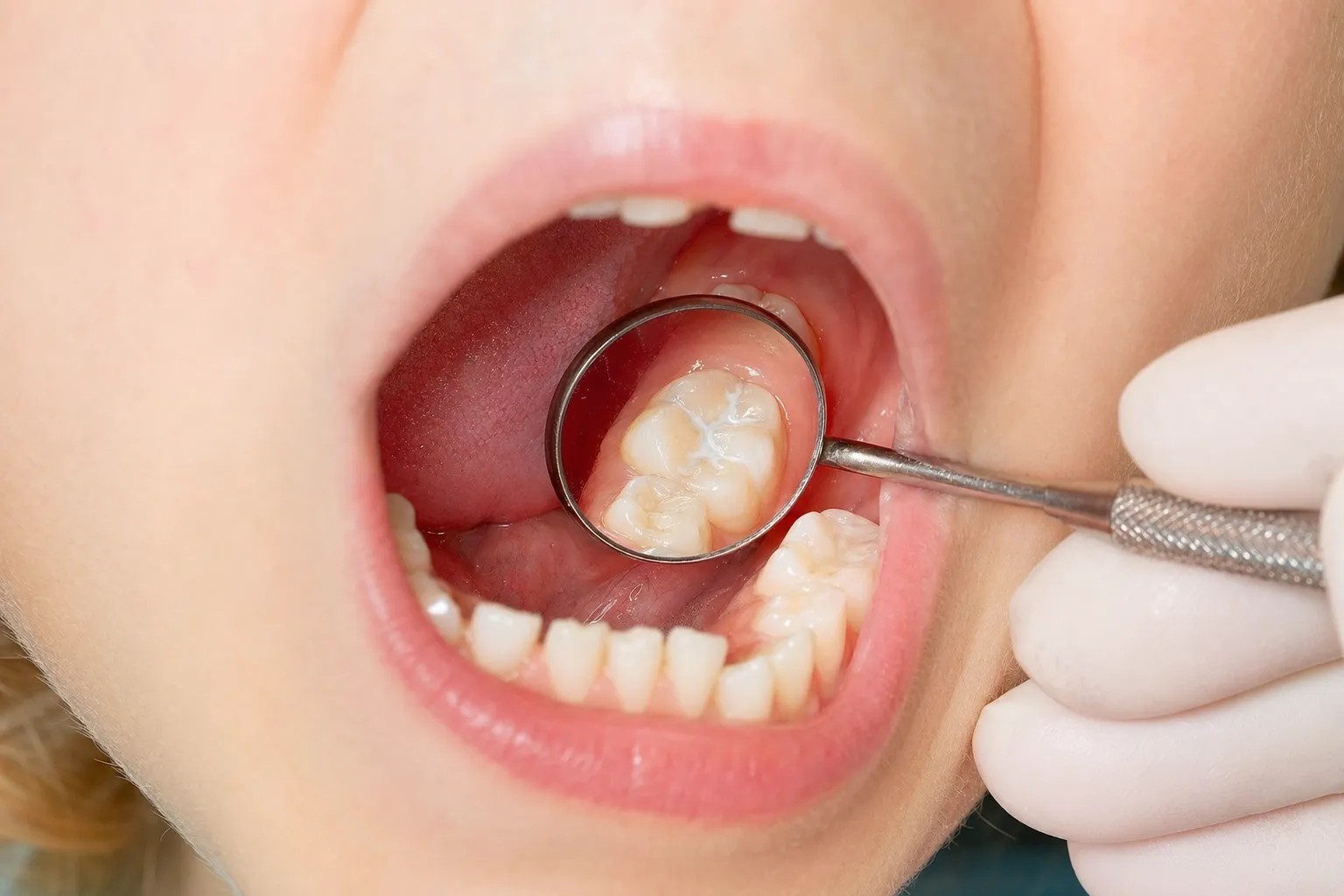
Think of the back teeth in your child’s mouth — the molars. Run your tongue over them and you’ll feel deep grooves and pits across the surface. These grooves are where chewing happens, but they’re also incredibly hard to clean. Even a good brusher can’t always get a toothbrush bristle deep enough into those channels.
That’s where decay tends to start.
Fissure sealants are thin, protective coatings — usually a tooth-coloured resin — that are painted into these grooves and hardened in place. They Fissure Sealants Sunbury essentially seal off the deep pits and fissures so bacteria and food debris can’t collect there. Think of it as filling in a pothole before the road cracks — a small, proactive step that prevents a much bigger problem down the track.
The treatment has been used in dentistry since the 1970s and is well-supported by decades of research. A school-based sealant program has been shown to reduce cavities in permanent molars by more than 60% over three years.
That’s not a small number. That’s a meaningful reduction in the likelihood your child ends up needing a filling.
What Age Should Kids Get Fissure Sealants?
There are two key windows, and timing matters because newly erupted teeth are most vulnerable to decay before their enamel has fully hardened.
The two main windows are:
- Ages 6–8: When the first permanent molars come through. These are the big back teeth that arrive while your child still has most of their baby teeth — which is why parents sometimes don’t realise they’re permanent. Getting sealants placed as soon as these teeth are fully through gives them protection right from the start.
- Ages 11–14: When the second permanent molars erupt.
- This is the second major opportunity, and it’s often overlooked because parents assume their older child has “got the dental thing sorted” by now.
Premolars (the teeth between the canines and the molars) may also be assessed for sealants if they have particularly deep grooves — though not every premolar needs them.
The takeaway? If your child is between 6 and 14, it’s worth asking your dentist whether their back teeth are candidates for sealants at the next check-up.
Does Getting Fissure Sealants Hurt?
This is the question almost every parent asks — and it’s a fair one if you’ve got an anxious child.
The short answer: no, it doesn’t hurt.Fissure Sealants Sunbury
There’s no drilling involved, no injections, and no removal of tooth structure. Here’s what actually happens
- The tooth is cleaned and dried thoroughly Fissure Sealants Sunbury
- A mild conditioning solution is applied briefly to the tooth surface to help the sealant bond Fissure Sealants Sunbury
- The sealant is painted into the grooves Fissure Sealants Sunbury
- A special light is held over the tooth for a few seconds to harden the material Fissure Sealants Sunbury
- The bite is checked and any minor adjustments are made Fissure Sealants Sunbury
The whole process typically takes just a few minutes per tooth. Most children — even the more anxious ones — find it completely manageable. There’s no uncomfortable sensation, and nothing to dread on the way to the appointment.
At Sunbury Dental Group, we introduce the steps in plain language before we start, so kids know exactly what’s happening. No surprises, no rush.
How Long Do Fissure Sealants Sunbury Last?
With good care and regular dental check-ups, fissure sealants can last anywhere from 5 to 10 years. Some last even longer — there are cases of well-placed sealants remaining intact after 15 years or more.
Longevity depends on a few things:
- The quality of placement Fissure Sealants Sunbury a properly bonded sealant lasts significantly longer than a poorly applied one
- Chewing habits — grinding teeth or chewing hard foods like ice can wear sealants down faster
- Regular monitoring — your dentist checks the sealants at each routine visit and can top up or reapply if there’s any wear or chipping.
The fact that sealants can be checked and reapplied means you’re not locked into a one-time result. They’re a living part of your child’s preventive care routine, not just a set-and-forget treatment.
Fissure Sealants vs Fluoride Varnish: What’s the Difference?
Parents often ask whether sealants and fluoride varnish are the same thing. They’re not — but they work well together.
Here’s how they differ Fissure Sealants Sunbury
- Fissure sealants act as a physical barrier. They fill the grooves of the teeth so bacteria literally can’t get in. They’re particularly targeted at the deep pits of back teeth.
- Fluoride varnish is a mineral treatment brushed onto the tooth surface. It strengthens enamel and makes teeth more resistant to acid attacks from sugary foods and drinks. It doesn’t fill grooves — it fortifies the enamel itself.
Both are valuable. Both are clinically supported. And in many cases, using both together delivers better outcomes than either treatment alone.
Research published from a large UK trial found that combining sealants with fluoride varnish could reduce cavities by up to 77% over two years — compared with fluoride varnish alone. That’s a compelling case for using both where clinically appropriate.
Your dentist will assess your child’s individual cavity risk, diet habits, oral hygiene routine, and tooth anatomy before recommending either treatment. There’s no blanket prescription here — it’s always based on what your child actually needs.
Who Is Most Likely to Benefit from Fissure Sealants Sunbury?
Fissure sealants are recommended when clinically appropriate — not automatically for every child. Your dentist will consider a few key factors Fissure Sealants Sunbury:
- Deep grooves in the molars that are difficult to clean
- A history of decay in baby teeth (which can predict cavity risk in permanent teeth)
- A diet high in sugars or acids
- Less-than-ideal brushing technique (which, let’s be honest, describes most 7-year-olds)
- Limited fluoride exposure
Children who’ve already had a cavity in one molar are at higher risk of developing decay in the others — sealants on the remaining molars make a lot of sense in that situation.
On the other hand, if your child’s molars have shallow, easy-to-clean grooves and a low cavity history, your dentist may recommend monitoring over treatment. The goal is always the most appropriate care, not the most treatment.
Fissure Sealants Sunbury: What to Expect at Sunbury Dental Group
We see a lot of primary school-aged children from Sunbury, Diggers Rest, Riddells Creek, Gisborne, Macedon, and Romsey. And we know that getting kids comfortable in the dental chair — especially for preventive treatments they didn’t know they needed — takes a particular kind of patience.
At Sunbury Dental Group, we take a calm, educational approach with young patients. We explain procedures in age-appropriate language, we move at your child’s pace, and we make sure the whole experience stays as relaxed as possible. Preventive visits set the tone for a lifetime of dental confidence — and that’s something we take seriously.
If your child is around 6–8 or heading into their early teens, it’s a great time to bring them in for a check-up and ask whether their back teeth are candidates for sealants.
A Small Treatment That Makes a Big Difference
Fissure Sealants Sunbury
Cavities in permanent molars are almost entirely preventable — and fissure sealants are one of the most effective tools we have to prevent them. The procedure takes minutes, causes no discomfort, and the protection it provides can last well into your child’s teenage years and beyond.
If your child is in the 6–14 age range and hasn’t had their back teeth assessed for sealants, that’s the single most useful thing to take away from this article: book a check-up and ask the question.
At Sunbury Dental Group, we’re here to make preventive care straightforward, stress-free, and genuinely useful for families across Sunbury and the surrounding region.
Frequently Asked Questions - Children's Dentistry
What age should my child have their first dental visit?
The Australian Dental Association recommends a child’s first dental visit within six months of their first tooth appearing, and no later than their first birthday.
If your child is older and hasn’t been yet, booking now is the right call — earlier is always better, but it’s never too late to star
What happens at a child's first dental check-up?
The first visit is primarily about getting your child comfortable with the dental environment. Your dentist will gently examine your child’s teeth, gums, and jaw, check for early signs of decay, and talk with you about home care and diet. A clean may be included if your child is comfortable Fissure Sealants Sunbury, but the priority is always building trust
How do I find a children's dentist near me in Fissure Sealants Sunbury?
‘
Sunbury Dental Group provides dedicated children’s dental services for families across Sunbury and the surrounding areas of Victoria. You can book online or call the practice directly to arrange your child’s first appointment.
How can I prepare my child for their first dental visit so they're not scared Fissure Sealants Sunbury?
Read books about dental visits, play “dentist” at home, use calm positive language, and avoid mentioning pain. Bring a comfort item if they’d like one. Our team at Sunbury Dental Group paces every appointment to your child’s comfort level, and we never rush.
Are dental sealants and fluoride treatments safe for children?
Yes — both are well-researched, widely recommended preventive treatments. Fluoride treatments and sealants are only applied when clinically indicated, and your dentist will discuss the options with you before proceeding.
The ADA and major Australian and international dental organisations support their use in appropriate cases
Does Medicare cover children's dental visits?
Eligible children aged 2–17 may access up to $1,095 in benefits over two consecutive calendar years through the Child Dental Benefits Schedule (CDBS). Benefits cover services including examinations, x-rays, cleaning, fissure sealing, fillings, and extractions. Ask our front desk team whether your child qualifies.