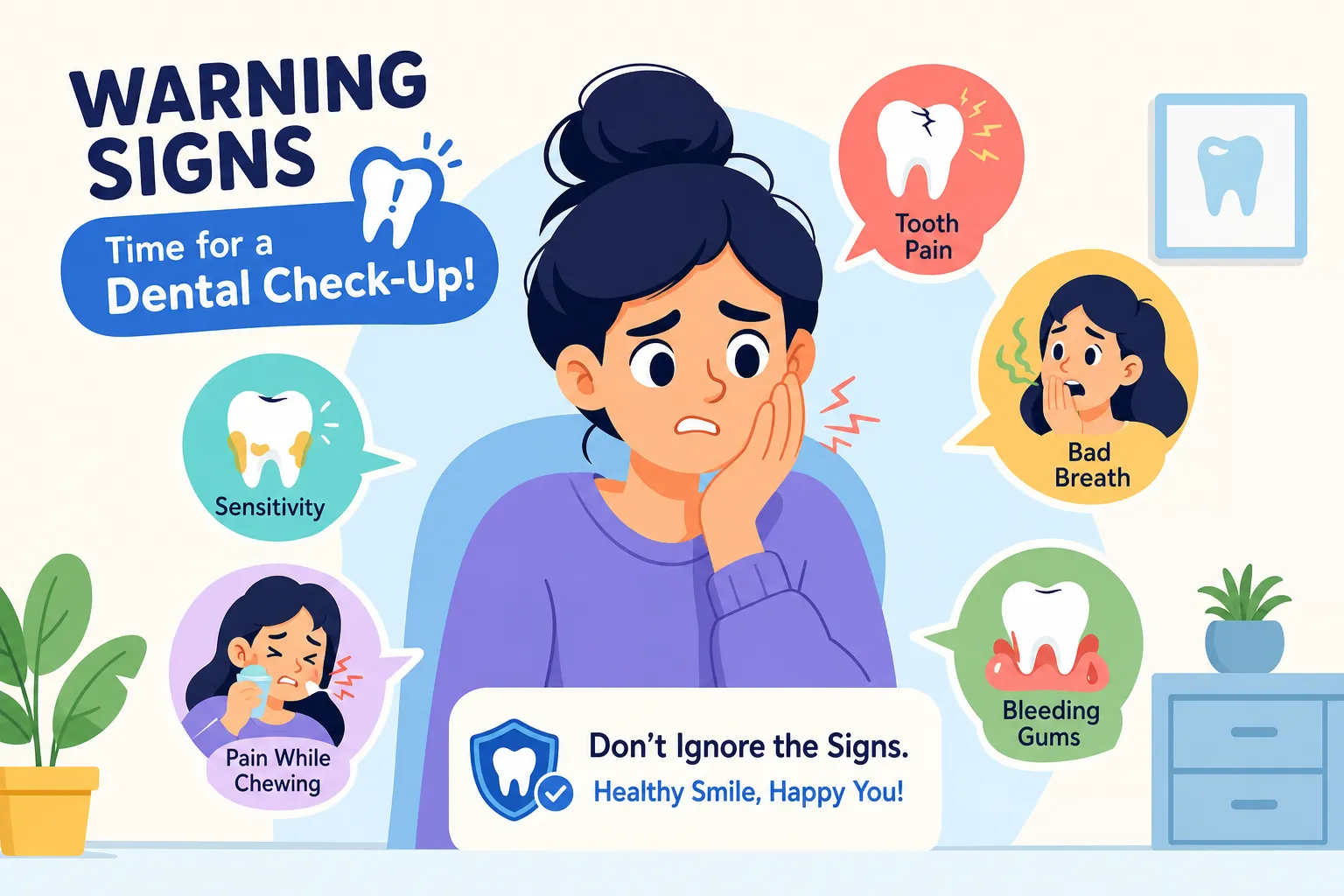
Dental check-up signs often start quietly, a fleeting twinge here, a little bleeding there, and most people wave them off until something more serious develops. You’ve probably been meaning to book a dentist appointment for a while now. Life gets busy, nothing hurts, and it keeps sliding down the priority list. The problem with that logic is that dental issues rarely announce themselves dramatically at first. They build quietly, sending small signals that most people dismiss as normal, right up until the moment a routine filling becomes a root canal, or a little gum sensitivity becomes a full gum disease diagnosis.
Your mouth is actually quite good at warning you. The signs are there; most people just don’t know what to look for. At Sunbury Dental Group in Sunbury VIC, Dr Nita Kumari and the team see patients every week who come in saying the same thing: “I wish I’d booked sooner.” That’s not a guilt trip, it’s just the reality of how dental health works. By the time pain becomes unbearable, the window for a simple, affordable fix has often closed.
This article will walk you through the key dental check-up signs your mouth gives you before things get serious, how to judge urgency, and what a proper check-up actually involves. By the end, you’ll know exactly when to book, when to call same day, and why getting ahead of these signs is always the better move.
Dental check-up signs your mouth is giving you every day
Most people wait for pain before taking dental symptoms seriously. The trouble is that several early warning signs appear well before any discomfort kicks in, and these quiet signals are often the easiest ones to treat when caught in time.
Persistent bad breath that doesn’t clear up
Morning breath is normal. Persistent halitosis that lingers through the day, despite brushing and rinsing, is not. Chronic bad breath is one of the hallmark signs of early gum disease (gingivitis), caused by anaerobic bacteria along the gum line releasing sulphur compounds that no amount of mouthwash can permanently eliminate. The mouthwash masks it for an hour or two; the underlying bacterial problem carries on. If you notice this, a professional check-up and clean is the right next step, not another bottle of mint rinse.
Sensitivity to cold, heat, or sweet foods
Mild tooth sensitivity is one of the earliest dental check-up signs of enamel erosion or the beginning stages of decay. A short, sharp sting when you bite into something cold usually points toward a cavity forming, while a lingering ache that hangs around after a hot drink suggests nerve involvement and warrants faster attention. Early-stage sensitivity often appears before any visible hole develops, which is exactly why it’s worth mentioning at your next check-up rather than waiting to “see if it gets worse.”
Dry mouth and what it does to your oral health
Dry mouth (xerostomia) isn’t a symptom of gum disease itself, but it removes the protective saliva that keeps bacteria in check and neutralises acids in your mouth. Without adequate saliva flow, decay accelerates and gum disease worsens at a much faster rate. This is particularly relevant for people on certain medications, including antihistamines, antidepressants, and blood pressure drugs, all of which list dry mouth as a common side effect. If you notice this consistently, mention it at your next appointment so your dentist can factor it into your preventive care plan.
What bleeding gums are actually telling you
Bleeding when you brush or floss is not a normal part of oral hygiene. Somewhere along the way it became normalised, but healthy gums don’t bleed. The good news is that bleeding caught early is one of the most straightforwardly treatable conditions in dentistry. Left ignored, it tells a very different story.
Gingivitis versus periodontitis: why the distinction matters
Gingivitis is the reversible early stage of gum disease. It’s characterised by red, puffy gums that bleed when you brush, and it can be completely resolved with professional treatment and improved home care. Periodontitis is what happens when gingivitis goes untreated: the infection moves deeper, causing irreversible bone loss around the teeth. The difference between these two conditions is simply time and attention. Gingivitis is a check-up issue. Periodontitis is a much longer, more involved treatment journey.
Dental check-up signs: bleeding gums and what they mean
Gum recession, where the gum tissue pulls away from the tooth and exposes the root surface, is a sign worth taking seriously. It can result from either advanced gum disease or overly aggressive brushing, and both causes require professional assessment to distinguish and address. Exposed root surfaces are more sensitive and more vulnerable to decay than enamel-covered tooth surfaces, so once recession begins, it needs to be monitored carefully and managed appropriately.
When gum bleeding signals something urgent
Occasional bleeding during brushing is a check-up sign, not an emergency. The threshold for same-day care is different: if bleeding from the gums or mouth won’t stop after 15 minutes of firm, consistent pressure, that warrants urgent attention. Sudden heavy bleeding after an extraction or procedure that doesn’t respond to pressure also requires immediate care. If you’re in that situation, call the clinic directly rather than waiting.
Pain and swelling: how urgent is urgent?
Pain is the number one reason people finally book an appointment. The challenge is that not all dental pain carries the same urgency, and knowing the difference can save you both anxiety and money.
Toothache that lingers beyond 24 hours
Brief sensitivity that comes and goes, especially to cold, is often manageable and warrants a booking within a normal timeframe. Persistent, throbbing, or sharp pain that doesn’t settle within 24 hours is a different matter entirely. That pattern typically indicates deep decay, pulp infection, or nerve involvement, none of which will resolve on their own. If the pain is preventing you from eating, sleeping, or functioning normally, don’t wait for a routine slot. Call the clinic and explain your symptoms clearly so they can triage you appropriately.
Facial swelling, jaw tenderness, and dental abscesses
Swelling of the face or jaw, particularly when accompanied by fever, a foul taste, or visible pus, almost always signals a dental abscess. This is a bacterial infection that requires same-day care because it can spread beyond the tooth if left untreated. The clinical red flags that push this into emergency territory are swelling spreading toward the eye, throat, or neck, and any difficulty breathing or swallowing. Those symptoms require hospital emergency care immediately, not a dental appointment. Do not wait.
The difference between a check-up and an emergency appointment
A straightforward way to guide your decision: if pain responds to over-the-counter pain relief and there’s no swelling, book within a few days. If pain is severe, uncontrolled, or swelling is present and spreading, call a dental clinic the same day. Sunbury Dental Group offers emergency dental appointments for patients who need urgent care, so if you’re in Sunbury or the surrounding area and something doesn’t feel right, don’t sit on it.

Visible changes in your mouth that are worth a closer look
Not every warning sign involves pain or bleeding. Some of the most important dental check-up signs are visible to the eye, if you know what you’re looking for. Take a proper look inside your mouth periodically so you notice when something changes.
Dark spots, white patches, or changes to tooth surfaces
Dark spots or visible holes are signs of decay that have progressed beyond the earliest stage. White chalky patches on the enamel surface, however, are actually earlier indicators: they represent areas of demineralisation, where minerals have been stripped from the enamel before a cavity forms. Catching enamel at this point gives a dentist the opportunity to remineralise the area and potentially avoid a filling altogether. Also worth noting are changes to existing fillings or crowns, chips, cracks, or a different sensation when biting can indicate a restoration that needs attention before it fails completely.
Mouth sores, unusual lumps, or patches that don’t heal
Most mouth ulcers resolve within two weeks. Any sore, lump, or discoloured patch, whether red, white, or a combination of both, that persists beyond that timeframe should be assessed by a dentist. This is one of the core reasons oral cancer screening is included in every comprehensive dental examination. Oral cancers are significantly more treatable when detected early, and a routine check-up is one of the most reliable ways to catch early changes before they become more serious.
Teeth that feel loose or look like they’ve shifted
Adult teeth should never feel loose. Any looseness in permanent teeth is a sign of significant bone loss from gum disease or trauma, and it requires professional assessment without delay. Changes in the way your bite feels, or the way your teeth sit together, can also signal underlying structural issues that worsen if left unaddressed. These aren’t symptoms to monitor at home over several months, they’re symptoms to have assessed within the week.
How often should you actually be seeing a dentist?
One of the most common reasons people delay booking is genuine uncertainty about whether they’re due. The honest answer is that the right frequency depends on your individual risk profile, not a universal calendar rule.
The Australian Dental Association (ADA) recommends a check-up and clean every six months as the standard baseline for most healthy adults. For patients with excellent oral hygiene and no history of gum disease or decay, a dentist may extend that to 12 months after assessing your overall risk profile. The key word is “assess”: your dentist sets your recall schedule based on your specific situation, not a one-size-fits-all timetable.
Some groups benefit from check-ups every three to four months rather than twice a year. People with diabetes fall into this category because gum disease and blood sugar levels directly affect each other, making more frequent monitoring genuinely beneficial. Smokers carry an elevated risk of both gum disease and oral cancer that warrants closer surveillance.
Hormonal changes during pregnancy significantly increase gum inflammation, making regular professional cleans particularly valuable during that period. Patients with dental implants also need regular professional monitoring to detect early signs of peri-implant disease before it causes irreversible bone loss. If you fall into any of these categories, discuss your recall schedule directly with your dentist so it reflects your actual needs.
What a comprehensive check-up actually involves
Many people imagine a check-up as a quick look around the mouth. A thorough examination is considerably more methodical than that, and understanding what’s involved makes it much easier to see the value in attending regularly rather than waiting until something goes wrong.
The examination process: what your dentist is actually checking
Every check-up begins with a review of your medical history and any relevant changes since your last visit. The dentist then conducts a structured visual inspection of all tooth surfaces, checking for decay, cracked fillings, worn enamel, and bite issues.
Periodontal probing follows, using a small calibrated instrument to measure the depth of the space between your gum and tooth root. Healthy gums measure one to three millimetres, with deeper readings indicating gum disease progression. The soft tissue examination covers your lips, cheeks, tongue, floor of the mouth, and throat, all as part of a standard oral cancer screening. None of this is a casual glance in the mirror; it’s a methodical process designed to catch what you can’t see yourself.
Digital X-rays and the problems they reveal
X-rays aren’t taken at every visit automatically. They’re used when clinically indicated, to detect decay forming between teeth, infections at tooth roots, bone loss beneath the gum line, and other issues completely invisible to the naked eye. At Sunbury Dental Group, digital X-rays are a core part of the examination process when needed. Digital imaging uses significantly lower radiation than traditional film and produces images that can be reviewed with the patient on screen immediately, so you understand exactly what’s being found and why.
Why catching problems early is always cheaper and simpler
A small filling costs a fraction of what a root canal treatment does. A scale and clean costs a fraction of what periodontal surgery involves. The economics of preventive dental care are straightforward: every stage of dental disease caught earlier is less invasive, less costly, and less time-consuming to treat. For patients in Sunbury and surrounding suburbs, including Diggers Rest, Riddells Creek, and Gisborne, Sunbury Dental Group offers comprehensive preventive care with transparent treatment planning and flexible payment options, so you know exactly what’s recommended and why before any treatment begins. There’s no need to travel to Melbourne for quality, thorough dental care when it’s available locally.
The bottom line
Dental check-up signs are rarely dramatic at first. Persistent bad breath, mild tooth sensitivity, bleeding gums, visible changes to tooth surfaces, and low-level discomfort are all your mouth’s way of asking for attention before a genuine crisis develops. The earlier you act on these signals, the simpler and more affordable the solution tends to be.
A proper check-up covers far more than just your teeth. It includes a gum health assessment, an oral cancer screening, and targeted X-rays that see what no mirror can show you. These are genuinely preventive visits, not just reactive ones.
If you’ve noticed any of these dental check-up signs and you’ve been putting off a booking, don’t wait for things to escalate. Sunbury Dental Group is welcoming new patients in the Sunbury area. Book online or call the clinic directly, you’ll find them at 5/92 Evans Street, Sunbury VIC 3429. It’s a simple step, and your future self will be glad you made it sooner rather than later.

FAQ Content
What are the most common dental check-up signs people ignore?
The most commonly ignored dental check-up signs are persistent bad breath, mild tooth sensitivity to hot or cold, and occasional gum bleeding when brushing. These symptoms often appear quietly, well before any pain develops, which is exactly why they get dismissed until a simple issue progresses into something more serious.
Is bleeding gums a normal part of brushing or flossing?
No, bleeding gums are not normal, even if it only happens occasionally. Healthy gums don’t bleed, and consistent bleeding during brushing or flossing is typically an early sign of gingivitis, which is reversible with a professional check-up and improved home care.
How do I know if my tooth pain is a check-up issue or a dental emergency?
If pain responds to over-the-counter relief and there’s no swelling, it’s generally safe to book a routine check-up within a few days. If pain is severe, uncontrolled, or accompanied by facial swelling, book a same-day emergency appointment instead, since this pattern often points to a dental abscess.
What does persistent bad breath indicate about oral health?
Persistent bad breath that doesn’t clear up with brushing or mouthwash is often a hallmark sign of early gum disease. It’s caused by anaerobic bacteria along the gum line releasing sulphur compounds, and mouthwash only masks the smell temporarily rather than resolving the underlying bacterial cause.
Should I be worried about white or dark spots on my teeth?
Yes, both are worth having assessed, though they mean different things. White chalky patches indicate early demineralisation before a cavity forms and may still be reversible, while dark spots usually mean decay has already progressed and needs restorative treatment.
How often should I actually book a dental check-up?
The Australian Dental Association recommends a check-up and clean every six months for most healthy adults as a baseline. People with diabetes, smokers, pregnant patients, and those with dental implants may need check-ups every three to four months due to higher risk factors.
Is a loose adult tooth always a dental emergency?
A loose permanent tooth is always a sign requiring prompt professional assessment, since adult teeth should never feel loose. It typically indicates significant bone loss from gum disease or trauma and should be checked within the week rather than monitored at home.
What happens during a comprehensive dental check-up?
A comprehensive check-up includes a medical history review, visual inspection of all tooth surfaces, periodontal probing to measure gum health, and a soft tissue oral cancer screening. Digital X-rays are also used when clinically indicated to detect issues like decay between teeth or bone loss that aren’t visible to the naked eye.
Why does catching dental check-up signs early save money?
Treating problems at the earliest stage is consistently cheaper and less invasive than waiting. For example, a small filling costs a fraction of a root canal, and a routine scale and clean costs far less than periodontal surgery for advanced gum disease.
When should I stop waiting and call Sunbury Dental Group directly?
Call immediately if you have facial swelling with fever, uncontrolled bleeding after 15 minutes of pressure, or pain that’s stopping you from eating or sleeping. For non-urgent signs like mild sensitivity or occasional bleeding, booking a standard check-up appointment is the appropriate next step.