How Much Do Braces Cost in Australia? A Complete 2026 Guide for Sunbury Families
If you’ve been googling the cost of braces — for your child, for yourself, or even just out of curiosity — you’ve probably hit a wall of confusing numbers. $5,000? $9,000? More? It’s genuinely hard to know what’s real and what’s inflated. Understanding the actual cost of braces is key for budgeting.
You’re not alone. This is one of the most common questions we hear from families across Sunbury, Diggers Rest, Gisborne, and the broader north-west Melbourne corridor. So let’s cut through the noise.
You’re not alone. This is one of the most common questions we hear from families across Sunbury, Diggers Rest, Gisborne, and the broader north-west Melbourne corridor. So let’s cut through the noise.
The average cost of braces can vary, but it’s crucial to get a clear picture to avoid surprises. Many parents find themselves asking, ‘What is the true cost of braces for my child?’
This guide gives you honest, up-to-date pricing for orthodontic treatment in Australia in 2026 — including what drives costs up or down, how your private health cover might help, and what to look out for if you’re comparing quotes.
The cost of braces not only includes the initial fee but also the ongoing adjustments and retainers necessary for successful treatment. Make sure to inquire about all aspects of the cost of braces when consulting with your orthodontist.
The cost of braces not only includes the initial fee but also the ongoing adjustments and retainers necessary for successful treatment. Make sure to inquire about all aspects of the cost of braces when consulting with your orthodontist.
KEY HIGHLIGHTS
The True Cost of Braces Explained
In this article, you’ll discover:
- What the realistic cost of braces is in Australia in 2026 — by type
- The key factors that push orthodontic prices higher or lower
- How metal braces, ceramic braces, and Invisalign compare on price and practicality
- How private health insurance works for orthodontics in Victoria
- What flexible payment options are available at Sunbury Dental Group
- Red flags to watch for when comparing low-cost braces providers
- Answers to the most common braces cost questions Australians search for
What Affects the Cost of Braces in Australia?
There’s no single fixed price for orthodontic treatment — and that’s not a cop-out. It genuinely depends on your situation.
The biggest driver is complexity. A teenager with mild crowding needs far less correction than an adult with a significant bite issue. More movement means more time, more appointments, and a higher overall cost.
Here are the main factors that shape what you’ll pay:
- Type of appliance — Metal, ceramic, lingual, or clear aligners all sit at different price points
- Treatment duration — Most plans run 12–30 months; longer treatment means more review appointments
- Case complexity — Simple spacing issues cost less than full bite correction or jaw alignment
- Clinic location — Metropolitan clinics in central Melbourne typically charge more than suburban or regional practices
- Inclusions in the fee — Some quotes cover retainers and all follow-up visits; others don’t, so always ask
- Practitioner experience — A specialist orthodontist generally charges more than a general dentist offering orthodontic services
The best way to understand your actual cost of braces is through a proper clinical assessment. That’s where a personalised treatment plan — and a real quote — gets put together.
When assessing the cost of braces, it’s essential to consider not just the price but also the quality of care and the experience of the orthodontist.
When assessing the cost of braces, it’s essential to consider not just the price but also the quality of care and the experience of the orthodontist.
Metal Braces vs. Ceramic Braces vs. Invisalign — Price Breakdown
Researching the cost of braces in different clinics can provide you with a better understanding of average prices and help you make an informed choice.
How Much Are Braces in Australia? Typical 2026 Ranges
The table below reflects general price ranges reported across Australian dental and orthodontic clinics in 2026. These are indicative guides only — your actual cost will depend on your individual clinical needs and treatment plan.
| Brace Type | Approximate Cost (AUD) | Best For |
| Traditional Metal Braces | $6,000 – $9,000 | Most cases; teens & adults |
| Ceramic (Clear) Braces | $6,500 – $10,000 | Adults wanting a less visible option |
| Invisalign (Full Treatment) | $6,000 – $9,000 | Mild to moderate alignment |
| Invisalign (Minor Cases) | From $4,500 | Spacing or minor crowding |
| Lingual Braces | $9,500 – $15,000+ | Maximum discretion; complex cases |
rsdentalgroup+2
Ultimately, the cost of braces should reflect the quality of treatment you receive. Always discuss your specific needs with your orthodontist to get the most accurate estimate.
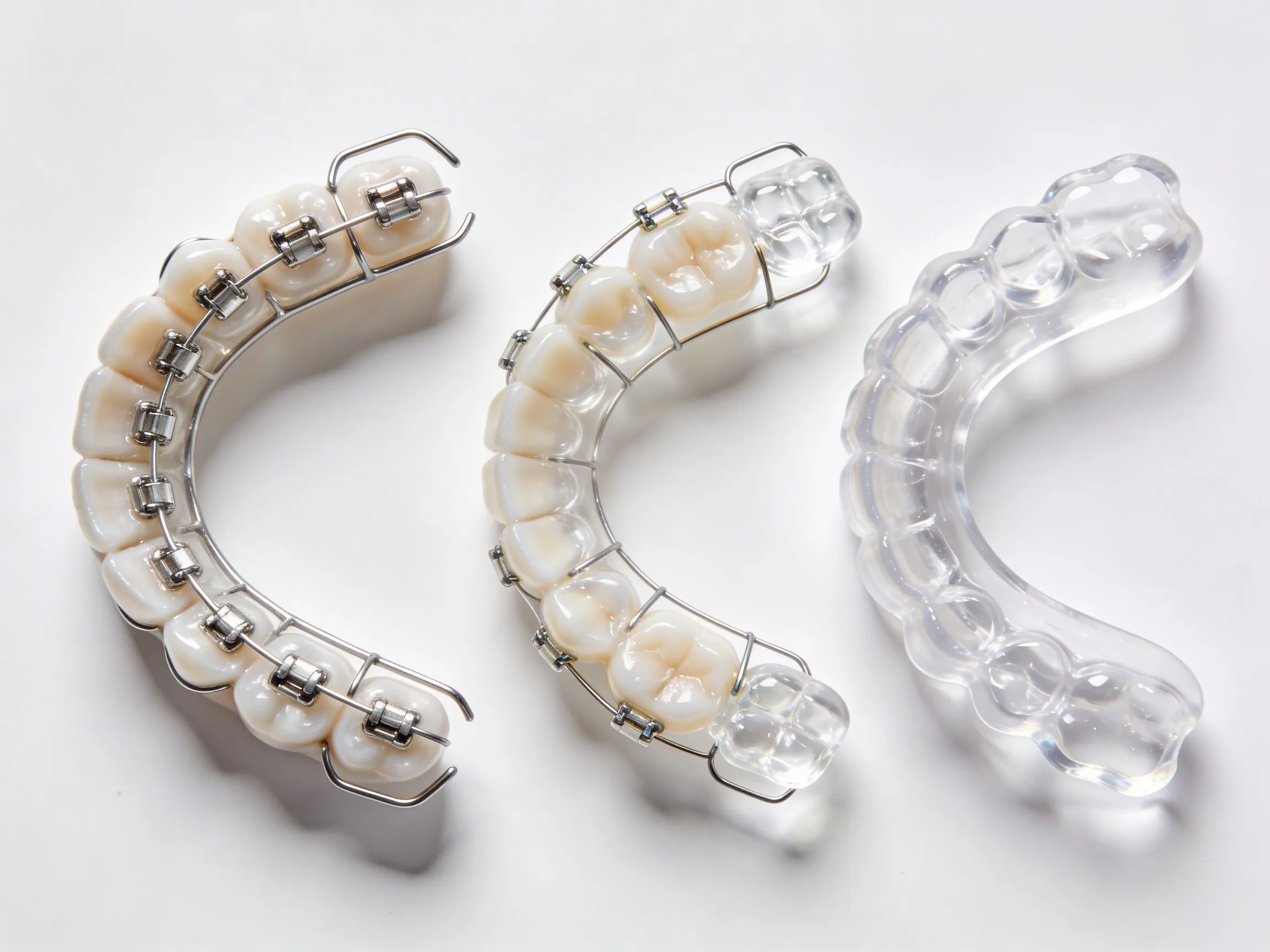
Metal Braces — Still the Workhorse
For many families, understanding the total cost of braces involves looking into financing options and payment plans that fit their budgets.
Metal braces remain the most widely used orthodontic option in Australia. They’re durable, effective across a wide range of cases, and generally sit at the lower end of the dental brace cost spectrum. If your child needs comprehensive treatment, metal braces are often where the conversation starts.
Ceramic Braces — Discreet but Durable
Ceramic braces work the same way as metal ones — the difference is the tooth-coloured or clear brackets that blend with your enamel. They’re popular with teens and adults who want a less noticeable look without going fully invisible. Expect to pay $500–$1,000 more than equivalent metal treatment, reflecting the higher material cost.
Invisalign — Flexibility with a Price Tag
Invisalign uses custom-made clear aligners that you swap out every one to two weeks. They’re removable, discreet, and easier to clean around — but they require discipline. Minor cases can start from around $4,500, while full comprehensive treatment typically ranges between $6,000 and $9,000. Not every case is suitable for Invisalign, which is why a proper assessment matters before committing.
Does Private Health Insurance Cover Braces in Victoria?
Here’s the short answer: it can help, but don’t rely on it to cover everything.
Medicare doesn’t cover orthodontic treatment. To get any rebate on braces, you need private health insurance with extras cover that includes orthodontics — and not all extras policies do.
A few things worth knowing before you claim:
- Most funds apply a 12-month waiting period before you can claim orthodontic benefits — so if your child is approaching the age where braces might be needed, it pays to check your policy now
- Orthodontic rebates typically range from a few hundred dollars to $2,500 or more over the course of treatment, depending on your fund and policy tier
- Most funds set a lifetime limit per person — often between $1,000 and $3,000 — that applies across your entire orthodontic treatment historypymble
- Annual sub-limits can also apply, meaning you may only claim a capped amount each calendar year
The takeaway? Check your policy details — specifically the orthodontic sub-limits and lifetime cap — before you start treatment. Your fund can tell you exactly what you’ll get back.
Note: The Child Dental Benefits Schedule (CDBS) through Medicare — which provides up to $1,132 for eligible children aged 2–17 — covers general dental services but does not cover orthodontic treatment such as braces.
Payment Plans at Sunbury Dental Group
Orthodontic treatment is a significant investment, and we understand that the upfront cost of braces can feel daunting — especially for families with multiple kids or tight budgets.
That’s why we offer flexible payment plan options designed to spread the cost of treatment in a way that works for your household. Rather than paying the full amount upfront, you can break your payments into manageable installments across your treatment period.
When you come in for an orthodontic consultation, we’ll walk you through your treatment options and your payment options at the same time — no surprise invoices, no pressure.
If you have private health insurance, we’ll also help you understand how to apply your orthodontic benefits to reduce your out-of-pocket costs.
Are Cheap Braces Worth It? What to Watch Out For
We get it — when you see a clinic advertising braces for significantly less than the going rate, it’s tempting. But very low prices often come with trade-offs you won’t see in the headline figure.
Watch out for:
- Fees not included in the quote — some low-cost providers charge separately for X-rays, consultations, retainers, and follow-up appointments, which adds up fast
- Rushed treatment timelines — braces that are tightened too quickly or finished prematurely can lead to relapse, meaning teeth shift back after treatment ends
- Inexperienced providers — orthodontic treatment should always be carried out or supervised by a properly qualified dental professional registered with AHPRA
- No retainer plan — retention is a critical final phase; without it, results don’t last
- Poor follow-up support — orthodontic treatment is a two-year-plus relationship; you want a clinic that’s invested in your outcome, not just the initial sale
The dental brace cost you pay should reflect the full scope of your care — diagnosis, treatment, monitoring, and retention. Always ask for an itemised treatment plan before signing anything.
Conclusion
The cost of braces in Australia in 2026 sits anywhere from $4,500 for minor Invisalign cases right through to $15,000 or more for complex lingual treatment — but for most families, the realistic range for metal or ceramic braces falls between $6,000 and $10,000. Private health insurance can take the edge off, and flexible payment plans mean you don’t have to find the full amount upfront.
The cost of braces can also be affected by the materials used, with metal braces often being the most affordable option.
The most important step? Get a proper assessment. Prices vary too much between cases for any online guide to tell you exactly what you’ll pay — but a consultation will.
When you’re ready to start treatment, make sure you’re clear on the full cost of braces involved, including any potential hidden fees.
At Sunbury Dental Group, we believe every family deserves clear information about the cost of braces, honest pricing, and a treatment plan that fits their life. Whether you’re in Sunbury, Diggers Rest, Riddells Creek, or anywhere across the north-west Melbourne region — we’re here to help you take that first step with confidence.
Disclaimer:
The information provided in this blog is for general informational purposes only and should not be interpreted as professional dental advice. Every dental situation is unique, and individual circumstances can vary significantly. Patients should not rely solely on the content provided here to make decisions about their oral health. For personalized assessment, diagnosis, and treatment, you should consult a qualified dentist or healthcare professional. Sunbury Dental Group accepts no responsibility for any loss, damage, or actions taken based on the information contained in this blog.
Related FAQ's
How much do braces cost in Australia in 2026?
The cost of braces in Australia in 2026 generally ranges from $6,000 to $9,000 for metal braces and $6,500 to $10,000 for ceramic braces, depending on treatment complexity and your clinic’s location. Invisalign full treatment sits in a similar range, while lingual (hidden) braces can cost $9,500 to $15,000 or more. Every case is different, and your actual cost is determined after a proper clinical assessment.
Does Medicare pay for braces in Australia?
No — Medicare does not cover orthodontic treatment such as braces or Invisalign. The Child Dental Benefits Schedule (CDBS) provides up to $1,132 for eligible children, but this applies only to general dental services, not orthodontic treatment. To receive a rebate on braces, you’ll need private health insurance with orthodontic extras cover.a
How much will private health insurance pay towards braces?
It depends entirely on your policy, but rebates from private health funds typically range from a few hundred dollars to over $2,500 across the life of your treatment. Most funds apply a lifetime limit per person — often $1,000 to $3,000 — and require a 12-month waiting period before you can claim. Check with your fund to understand your specific orthodontic benefit before starting treatment.
At what age should children get braces?
Most children are assessed for orthodontic treatment between the ages of 10 and 14, once enough permanent teeth have come through to assess alignment and bite. However, an early interceptive assessment — sometimes called Phase 1 treatment — can be appropriate from around age 7–8 if a dentist identifies a developing issue. Your dentist can advise whether early intervention is necessary or whether it’s better to wait.
How long does orthodontic treatment take?
Most braces treatment runs between 12 and 24 months, though complex cases — particularly in adults — can take longer. Treatment time depends on how much tooth movement is required, the type of appliance used, and how consistently you follow care instructions (especially important with Invisalign, which requires wearing aligners 20–22 hours a day). After braces come off, wearing a retainer is essential to maintain your result
Is it cheaper to get braces at a general dentist vs. an orthodontist?
General dentists who offer orthodontic services may charge lower fees than specialist orthodontists, but the right choice depends on your case complexity. For straightforward cases, a skilled general dentist with orthodontic training can deliver excellent results. More complex bite corrections or jaw issues may warrant a specialist referral. At Sunbury Dental Group, we’ll always be transparent about what we can handle in-house and when a referral makes sense for you.
Remember, the Cost of Braces can significantly impact your decision, so take the time to understand this important aspect of orthodontic care. Cost of Braces