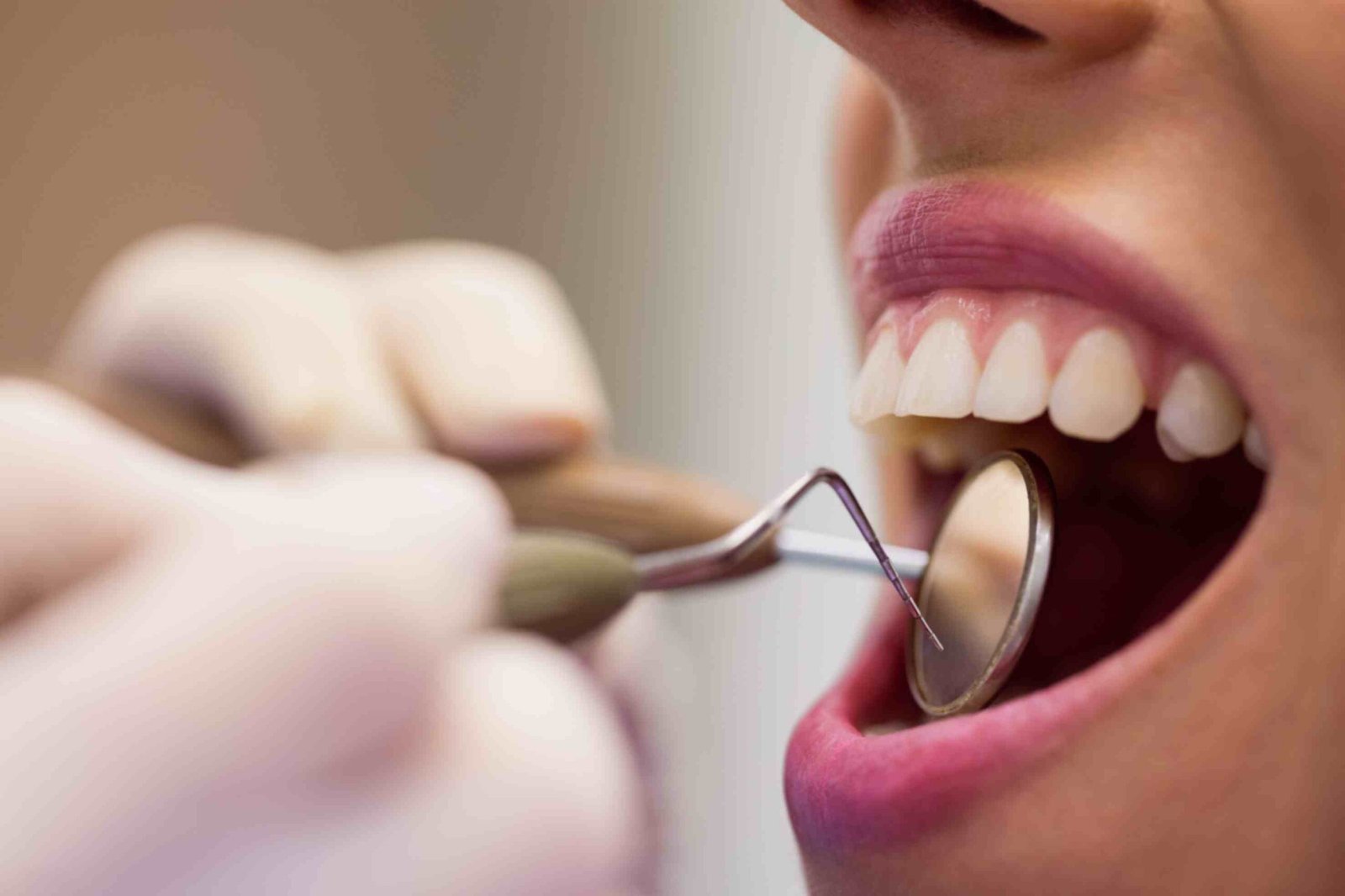
Oral health is often treated as something separate from the rest of the body. Many people focus on brushing, flossing, and dental visits only to avoid cavities or bad breath. What is less discussed is how deeply oral health is connected to overall health. Your mouth is not an isolated system. It is a gateway to the body, and problems that start in the mouth can affect far more than just teeth and gums.
Research and clinical experience continue to show strong links between oral health and conditions such as heart disease, diabetes, respiratory infections, and even pregnancy complications. Understanding this connection helps people take dental care more seriously, not out of fear, but out of awareness.
A healthy mouth does more than protect your smile. It helps protect your entire body.
Highlights:
- Oral health influences heart, diabetes, and immune health
- Gum disease is linked to chronic inflammation
- Daily oral care supports whole body wellness
- Preventive dentistry visits improve long term health
Overview
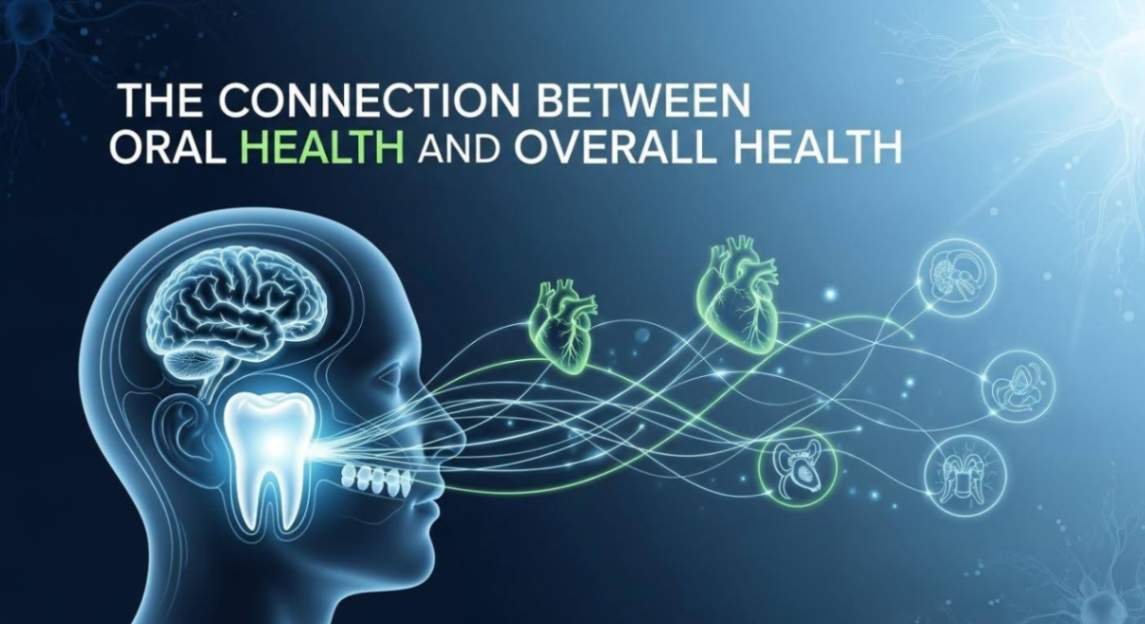
Oral health and overall health are closely connected through bacteria, inflammation, and the immune system. Poor oral hygiene allows harmful bacteria to grow, which can enter the bloodstream and trigger inflammation in other parts of the body. Gum disease in particular has been linked to several chronic conditions. On the other hand, good oral care supports immune balance, reduces inflammation, and contributes to better general health. Simple daily habits can make a meaningful difference beyond the mouth.
How the Mouth Reflects Overall Health
The mouth often shows early signs of wider health issues. Symptoms such as bleeding gums, dry mouth, sores that do not heal, or persistent bad breath can point to underlying conditions. Dentists are sometimes the first to notice signs of diabetes, vitamin deficiencies, autoimmune conditions, or infections.
Because the mouth has a rich blood supply, changes there can reflect what is happening elsewhere in the body. Inflammation, immune suppression, and hormonal shifts frequently appear in oral tissues before other symptoms become noticeable.
Paying attention to oral changes and addressing them early can lead to earlier diagnosis and better health outcomes.
Gum Disease and Inflammation in the Body
Gum disease, also known as periodontal disease, is one of the strongest links between oral health and overall health. It begins with plaque buildup and progresses into chronic inflammation of the gums. When left untreated, bacteria from infected gums can enter the bloodstream.
This ongoing inflammation places stress on the immune system. Chronic inflammation is a known contributor to many serious health conditions. The body remains in a constant state of defense, which can damage tissues over time.
Managing gum health is not only about saving teeth. It is about reducing a source of long term inflammation that affects the entire body.
Oral Health and Heart Disease
There is a well documented association between gum disease and heart disease. While gum disease does not directly cause heart disease, the bacteria and inflammation linked to it can contribute to cardiovascular problems.
Bacteria from the mouth can enter the bloodstream and attach to damaged areas of the heart. Inflammation from gum disease may also contribute to the buildup of arterial plaque, increasing the risk of heart attacks and strokes.
Good oral hygiene helps reduce bacterial load and inflammation, which supports heart health. Regular dental care should be viewed as part of a heart healthy lifestyle.
Diabetes and Oral Health
The relationship between diabetes and oral health works both ways. People with diabetes are more prone to gum disease due to reduced immune response and slower healing. At the same time, gum disease makes it harder to control blood sugar levels.
Inflamed gums release stress hormones that interfere with insulin function. This creates a cycle where poor oral health worsens diabetes, and poorly controlled diabetes worsens oral health.
Managing oral health through daily care and professional treatment supports better blood sugar control and reduces complications related to diabetes.
Oral Health During Pregnancy
Pregnancy causes hormonal changes that affect gums and oral tissues. Many pregnant women experience increased gum sensitivity, swelling, and bleeding. These changes can raise the risk of pregnancy related gum disease.
Studies have linked untreated gum disease during pregnancy to premature birth and low birth weight. Inflammation and bacteria may influence fetal development through the bloodstream.
Maintaining good oral hygiene and continuing dental visits during pregnancy is safe and recommended. Healthy gums support both maternal and infant health.
Pull Quote: “Taking care of your mouth is one of the simplest ways to protect your whole body.”
Respiratory Health and the Mouth
The mouth can act as a reservoir for bacteria that affect the lungs. Inhaling bacteria from the mouth can contribute to respiratory infections, especially in older adults or people with weakened immune systems.
Conditions such as pneumonia have been linked to poor oral hygiene, particularly in hospital or care home settings. Reducing oral bacteria through brushing, flossing, and professional cleanings lowers the risk of these infections.
Maintaining oral health is an important preventive step for respiratory wellbeing.
Oral Health and Mental Wellbeing
Oral health also influences mental and emotional health. Chronic dental pain, gum disease, and missing teeth can affect confidence, speech, and social interaction. These issues may contribute to anxiety, stress, and depression.
Poor oral health can also limit food choices, affecting nutrition and energy levels. Over time, this impacts overall quality of life.
A healthy mouth supports comfort, confidence, and emotional wellbeing. Feeling good about your smile often translates into better self care habits in other areas of life.
The Role of the Immune System
The immune system constantly interacts with bacteria in the mouth. When oral hygiene is poor, the immune system must work harder to control bacterial growth. This ongoing burden can weaken immune response elsewhere.
Healthy oral tissues help maintain immune balance. Reducing infection and inflammation in the mouth allows the immune system to function more effectively throughout the body.
Supporting oral health is a practical way to support immune health long term.
Daily Habits That Support Oral and Overall Health
Small daily habits create lasting health benefits. Brushing twice a day with fluoride toothpaste removes plaque and reduces harmful bacteria. Flossing cleans areas brushes cannot reach.
Limiting sugary and acidic foods protects enamel and reduces bacterial growth. Drinking water throughout the day supports saliva production, which naturally cleans the mouth.
Regular dental checkups allow early detection of problems before they affect overall health. These habits work together to support both oral and systemic wellbeing.
The Importance of Preventive Dental Care
Preventive dental care goes beyond cleanings. Dentists assess gum health, oral tissues, bite alignment, and early signs of disease. These checks contribute to overall health monitoring.
Preventive care reduces the need for complex treatments and lowers long term health risks. It is more effective and less costly than reactive care.
Seeing oral health as preventive healthcare helps people stay healthier overall.
Conclusion
The connection between oral health and overall health is clear and significant. The mouth is not separate from the body. It is closely linked through blood flow, bacteria, and immune response. Problems in the mouth can influence heart health, blood sugar control, respiratory function, and even pregnancy outcomes.
Protecting oral health is one of the most accessible ways to support long term wellbeing. Simple daily habits, regular dental visits, and early attention to symptoms make a meaningful difference. A healthy mouth supports a healthier body, one day at a time.
Disclaimer:
The information provided in this blog is for general informational purposes only and should not be interpreted as professional dental advice. Every dental situation is unique, and individual circumstances can vary significantly. Patients should not rely solely on the content provided here to make decisions about their oral health. For personalized assessment, diagnosis, and treatment, you should consult a qualified dentist or healthcare professional. Sunbury Dental Group accepts no responsibility for any loss, damage, or actions taken based on the information contained in this blog.
Related FAQ's
How does oral health affect overall health
Oral health affects overall health through bacteria and inflammation that can spread from the mouth to other parts of the body.
Can poor oral health cause serious diseases
Poor oral health is linked to conditions such as heart disease, diabetes complications, respiratory infections, and pregnancy risks.
Is gum disease reversible
Early gum disease can often be reversed with proper oral hygiene and professional care. Advanced stages require ongoing management.
How often should I visit the dentist for overall health benefits
Most people benefit from dental visits every six months, though some may need more frequent care based on health status.
Does brushing and flossing really make a difference
Yes. Consistent brushing and flossing significantly reduce bacteria and inflammation that impact both oral and overall health.