Overview
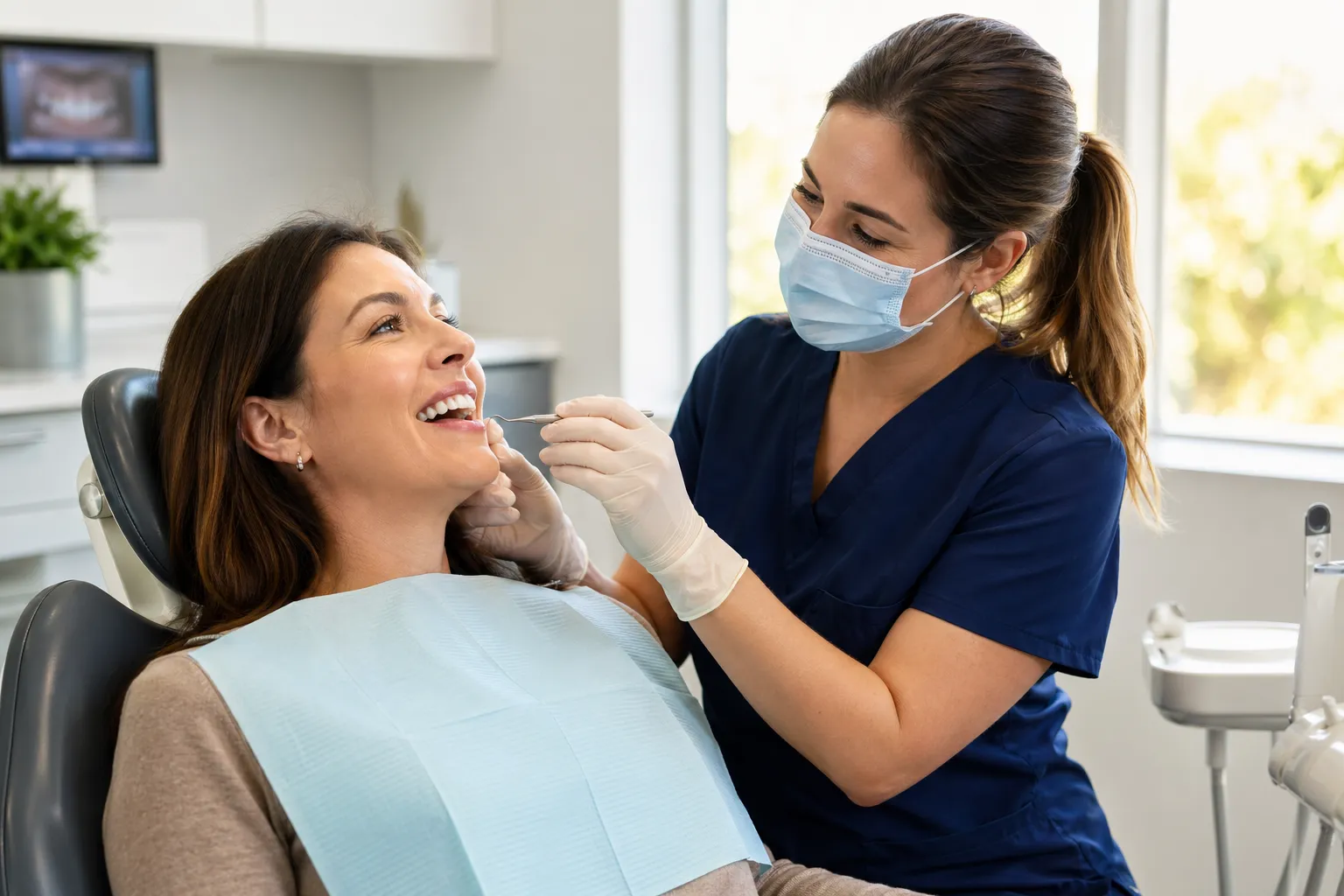
A dental check-up and clean is one of the most important things you can do for your long-term health — yet it’s also one of the most commonly delayed. This guide explains exactly what happens during a routine check-up and professional clean, step by step, in plain language.
We also cover how often you actually need to come in, what the research says about the “every six months” rule, when X-rays are clinically appropriate, and why catching small issues early saves you a lot more than just money. Whether you’re a new patient in Sunbury or someone who’s been putting this off for a while, this is for you.
Key Highlights
In this article, you’ll discover:
- A step-by-step breakdown of what happens at a dental check-up and clean
- The difference between scaling and polishing — and why both matter
- How often you should really book a scale and clean (it’s not always every six months)
- When dental X-rays are recommended and what frequency is appropriate for your risk level
- What your dentist checks for beyond just your teeth — including gum health and oral cancer screening
- How private health insurance and Medicare can reduce the cost of your check-up and clean
- Why Sunbury Dental Group is a great starting point if you’re new to the area or overdue for a visit
Why a Professional Clean Is Different From Brushing at Home
Let’s be honest — most of us brush reasonably well most of the time. But even the most diligent brusher can’t remove everything. And that’s not a failure of effort; it’s just biology.
Plaque forms on teeth constantly. When it’s not removed, it mineralises into tartar (also called calculus) — a hard, calcified deposit that bonds to the tooth surface and can only be removed with professional instruments. It builds up fastest in the spots that are hardest to reach: along the gumline, between teeth, and on the back surfaces of rear molars.
Left alone, tartar creates the conditions for gum disease. And gum disease, when it advances, leads to bone loss around the teeth — not just gum problems. That’s the chain that a regular professional clean interrupts.
This is why a teeth cleaning near me isn’t a luxury. It’s maintenance. The kind that prevents far more expensive problems.
What Actually Happens During a Check-Up and Clean?
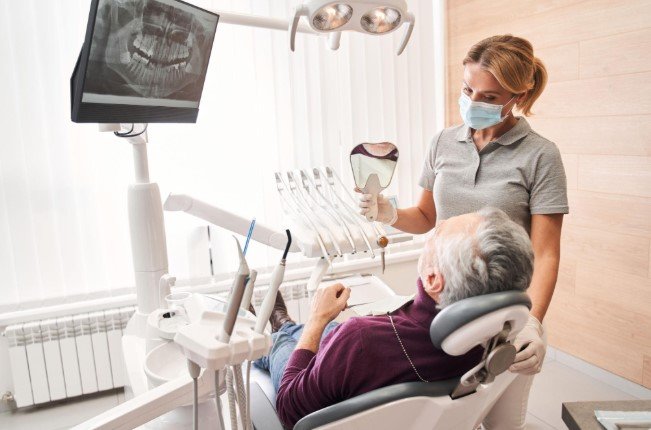
Most patients are surprised by how much happens in a single appointment. Here’s a clear, step-by-step picture of what a standard check-up and clean involves at a practice like Sunbury Dental Group:
Step 1: The Examination
Before any cleaning starts, your dentist or hygienist conducts a thorough assessment.
This includes:
- Checking each tooth for signs of decay, cracks, chips, or wear
- Assessing your gum health — including pocket depth measurements around each tooth
- Reviewing any existing fillings, crowns, or restorations for condition
- Checking your bite and jaw alignment
- Examining your tongue, cheeks, and soft tissues for any unusual changes — including early signs of oral cancer
- Discussing any concerns you’ve noticed, like sensitivity, bleeding gums, or discomfort when chewing
This part of the appointment is about the full picture, not just your teeth. A lot of patients appreciate that a properly done check-up covers things they hadn’t thought to mention.
Step 2: Scaling
This is the part most people refer to when they say “scale and clean.” Scaling involves using either an ultrasonic scaler (which vibrates at high frequency and uses water irrigation to flush debris) or hand instruments — often both — to remove plaque and tartar from every tooth surface.
Particular attention goes to the gumline and the gaps between teeth. These are the areas where tartar accumulates most and where gum disease typically starts. If your gums bleed slightly during scaling, that’s usually a sign of existing inflammation rather than the cleaning causing harm — and it generally improves with regular professional care over time.
Step 3: Polishing
Once scaling is complete, the teeth are polished using a rubber cup and a mildly abrasive paste. This removes residual surface staining and leaves the tooth surface smooth — which makes it harder for new plaque to adhere.[1]
Worth noting: polishing doesn’t whiten teeth in the way that professional bleaching does. It cleans and buffs the natural surface. If you’re interested in whitening as well, that’s a separate conversation — and we’re happy to have it.
Step 4: Fluoride Treatment (When Clinically Indicated)
At the end of the clean, some patients — particularly children or those with a higher cavity risk — may receive a fluoride varnish application. This takes about 30 seconds and helps strengthen enamel after the cleaning. It’s not automatic for every adult patient, and your dentist will recommend it only if it’s appropriate for your situation.
How Long Does a Check-Up and Teeth Cleaning Near Me?
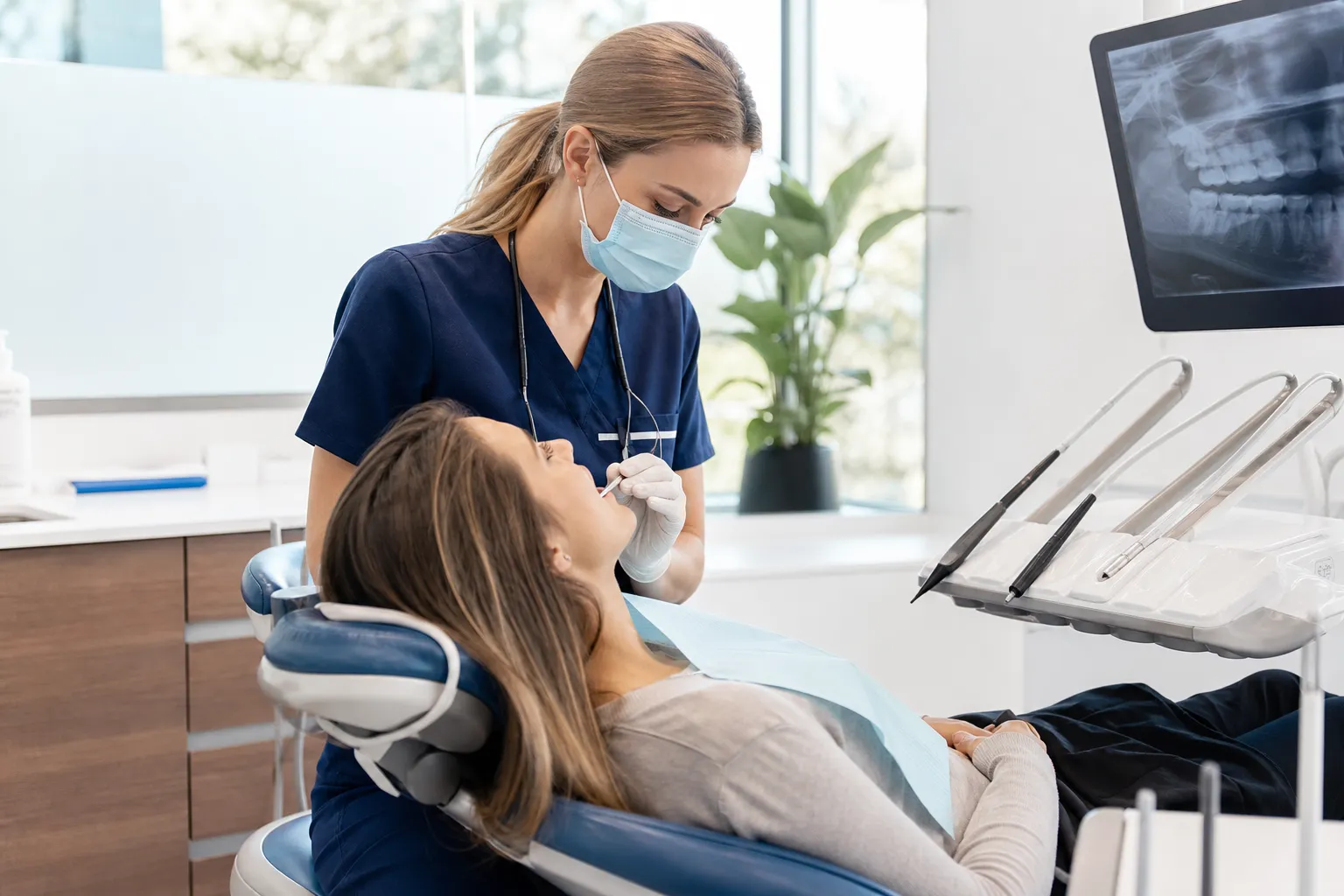
For most patients with good baseline oral health, a check-up and clean runs between 30 and 60 minutes. If you’ve got significant tartar buildup, active gum disease, or it’s been several years between visits, the appointment may take longer — and in some cases, your dentist may recommend splitting the clean across two appointments to be thorough.
This is nothing to worry about. It’s just good dentistry.
How Often Should You Book a Check-Up and Clean?
Here’s where things get more nuanced than the standard “every six months” advice that’s been around for decades.
Six months became the default largely through tradition, not rigorous clinical evidence. Modern dental research actually supports a more individualised approach — where recall frequency is matched to your personal risk of developing dental disease.
What drives your recall schedule:
- Your history of decay — patients who’ve had frequent cavities may benefit from more regular visits Teeth Cleaning Near Me
- Gum disease status — active or managed gum disease typically warrants a 3–4 month recall Teeth Cleaning Near Me
- Dry mouth or medication effects that increase decay risk Teeth Cleaning Near Me
- Diabetes, smoking, or other systemic health factors that affect oral health Teeth Cleaning Near Me
- Oral hygiene habits and diet Teeth Cleaning Near Me
- Time since your last professional clean Teeth Cleaning Near Me
For many healthy adults with good home care and low disease activity, a twelve-month recall is entirely reasonable — and the research supports it. For others, particularly those managing gum disease or with a higher cavity risk, three to six months is the right interval.
The bottom line: your dentist sets your recall schedule based on your actual oral health profile — not a one-size-fits-all calendar rule.
When Are X-Rays Part of the Check-Up Teeth Cleaning Near Me?
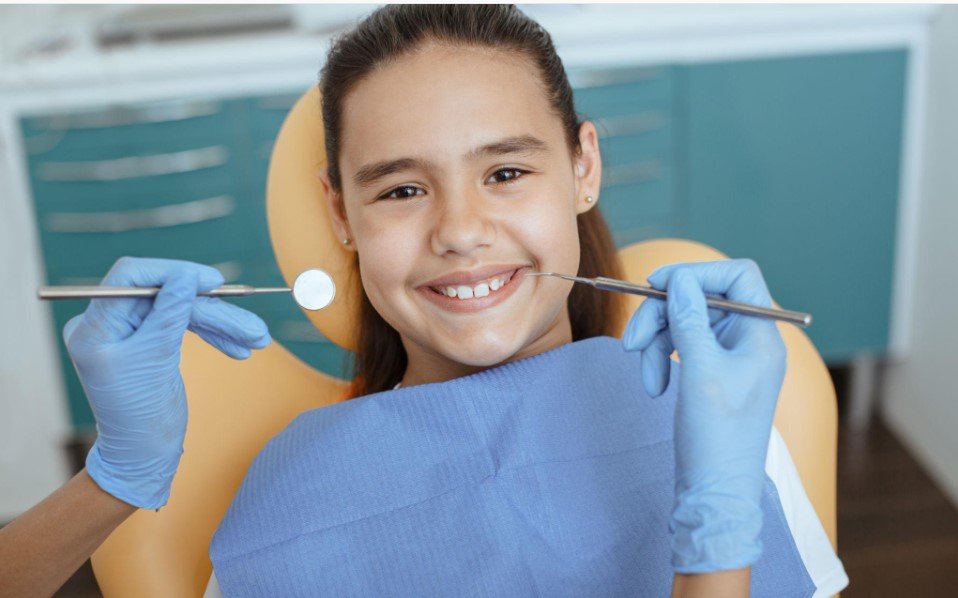
X-rays don’t happen at every check-up — and they shouldn’t. They’re taken when there’s a clinical reason to take them.
That said, they’re genuinely valuable when they are indicated. X-rays reveal things that no visual exam can catch: decay developing between teeth, bone loss around roots, infections forming under the gumline, or impacted wisdom teeth tracking toward problems Teeth Cleaning Near Me.
General guidance on X-ray frequency:
- Low-risk adults with good oral health — bitewing X-rays approximately every 2–3 years
- Adults with higher cavity risk, gum disease, or active dental issues — every 6–18 months depending on what’s being monitored
- New patients — a baseline set of X-rays is often recommended so your dentist has a complete picture from the start
- Children — approximately every 1–2 years, depending on cavity risk and tooth development
- Panoramic or full-mouth X-rays — only when clinically needed, such as for treatment planning, wisdom tooth assessment, or investigating symptoms[10]
Australian guidelines follow the ALARA principle — radiation exposure should be kept as low as reasonably achievable. If X-rays are recommended at your appointment, your dentist can explain exactly why they’re needed at that time.
Why Catching Problems Early Actually Matters Teeth Cleaning Near Me
Small cavities are filled in 20 minutes. Large cavities that reach the nerve need root canal treatment. Mild gum disease is manageable with regular cleans. Advanced gum disease causes bone loss and tooth mobility — and it can’t be reversed.
That’s the real value of regular check-ups. It’s not about the clean itself — though that matters too. It’s about the examination that comes with it. Catching problems when they’re small keeps treatment simple, quick, and far less expensive.
People often say they avoid the dentist because of the cost. But skipping check-ups tends to increase costs significantly over time, not reduce them. Early detection is genuinely the most cost-effective dental strategy there is.
Check-Up and Clean Costs in Sunbury — and What Medicare Covers Teeth Cleaning Near Me
The cost of a check-up and clean in Australia varies between practices but generally sits between $180 and $310 for a standard adult appointment. Specific pricing at Sunbury Dental Group can be confirmed Teeth Cleaning Near Me by calling the practice or checking at the time of booking.[13]
If you have private health insurance with extras cover, your check-up and clean is typically partially or fully covered, depending on your level of cover and annual limits. Most “basic extras” policies cover preventive care including check-ups, scale and cleans, and X-rays.
For children aged 2–17, the Child Dental Benefits Schedule (CDBS) through Medicare provides up to $1,185 in basic dental services over two consecutive calendar years — which covers check-ups, cleans, and X-rays when indicated. Ask our reception team whether your child is eligible.

Time to Stop Putting It Off
If there’s one thing to take away from all of this, it’s this: regular check-ups and professional cleans are the simplest, most cost-effective thing you can do for your dental health. They stop small problems from becoming big ones — and they’re genuinely not as uncomfortable as most people expect.
The second thing worth remembering is that your recall schedule should be built Teeth Cleaning Near Me around your health, not a calendar. Six months is a common starting point Teeth Cleaning Near Me, but your dentist will tailor it to what you actually need.
And if it’s been a while? There’s no judgement here. Just come in, let us take a look, and we’ll work from wherever you are right now.
Frequently Asked Questions - Children's Dentistry
What happens during a dental check-up and clean?
A check-up and clean involves a thorough examination of your teeth, gums, bite, and soft tissues, followed by professional scaling to remove plaque and tartar Teeth Cleaning Near Me, polishing to smooth the tooth surface, and fluoride treatment where clinically appropriate. Your dentist also screens for early signs of gum disease and oral cancer. The appointment typically takes 30–60 minutes for patients with good baseline oral health.
How often should I get a scale and clean?
Most dentists recommend a scale and clean every six to twelve months, but the right frequency depends on your individual oral healthTeeth Cleaning Near Me including your history of decay, gum health, and risk factors like smoking or diabetes. Some patients benefit from a three to four-month schedule if they’re managing gum disease, while lower-risk patients may be fine on a twelve-month recall. Your Teeth Cleaning Near Me will recommend the interval that suits Teeth Cleaning Near Me your specific situation.
Does a teeth cleaning near me hurt?
For most patients, a scale and clean causes minimal discomfort. Some sensitivity around the gumline is normal, particularly if there’s existing inflammation or it’s been a while since your last visit — but that usually settles quickly. If you’re anxious or have sensitive Teeth Cleaning Near Me, let your dentist or hygienist know before they start so they can adjust their approach.
How often do I need dental X-rays?
X-ray frequency is based on your individual risk and clinical need — not a fixed schedule. Low-risk adults with healthy teeth may need bitewing X-rays only every 2–3 years, while those with a higher risk of decay or active gum disease may need them more frequently Teeth Cleaning Near Me. Your dentist will recommend X-rays only when there’s a clinical reason to take them.
Is a check-up and clean covered by Medicare or private health insurance in Australia?
Children aged 2–17 may be eligible for the Child Dental Benefits Schedule (CDBS), which covers basic dental services including check-ups and cleans. For adults, private health insurance with extras cover typically covers routine preventive care — the amount depends on your level of cover and annual limits. Check with your insurer or ask our team at Sunbury Dental Group to help you understand your entitlements.
What's the difference between a scale and clean and a deep clean?
A standard scale and clean targets plaque and tartar on the tooth surface and at the gumline. A deep clean — also called root planing or periodontal treatment — goes below the gumline to clean the root surfaces of teeth in patients with moderate to advanced gum disease. It’s a different, more involved procedure that’s only recommended when there’s clinical evidence of significant gum disease. Your dentist will assess your gum health at each check-up and recommend additional treatment only if it’s genuinely needed Teeth Cleaning Near Me