Introduction
Searching for a Paed Dentist Near Me is often one of the first steps parents take when looking for professional dental care for their children. Good oral health habits established during childhood may support healthy teeth and gums throughout life. Regular dental assessments, preventive care, and oral hygiene education can play an important role in maintaining children’s oral health.
A paediatric dentist focuses on dental care for infants, children, adolescents, and in some cases, individuals with additional healthcare needs. These practitioners are trained to understand the unique dental and developmental needs of young patients.
This guide explores what a paediatric dentist does, common dental services for children, preventive care strategies, the importance of early dental visits, and how families can support positive oral health habits.
What Is a Paediatric Dentist?
A paediatric dentist is a dental practitioner who focuses on the oral health needs of children from infancy through adolescence. Their training includes child development, behaviour management, preventive dentistry, and treatment approaches suitable for younger patients.
Parents searching for a Paed Dentist Near Me are often looking for dental professionals experienced in working with children and creating a supportive clinical environment.
Why Parents Search for a Paed Dentist Near Me
Families may seek a paediatric dental provider for various reasons, including:
- Routine dental examinations
- Preventive dental care
- Oral hygiene guidance
- Dental pain concerns
- Tooth decay management
- Developmental assessments
- Dental emergencies
Convenient access to care can make it easier for families to attend regular appointments and follow-up visits.
Importance of Children’s Oral Health
Oral health contributes to many aspects of a child’s wellbeing.
Healthy teeth may support:
- Comfortable eating
- Speech development
- Social confidence
- Proper jaw development
- Daily comfort
Maintaining oral health from an early age can help establish lifelong habits.
When Should a Child First Visit a Dentist?
Many dental professionals recommend an early dental assessment after the first tooth appears or by the child’s first birthday.
Early visits may help:
- Monitor oral development
- Identify potential concerns
- Provide guidance for parents
- Support preventive care planning
The timing of visits should be discussed with a qualified dental practitioner.
Common Dental Issues in Children
Children may experience various dental concerns during development.
Tooth Decay
Tooth decay remains one of the most common oral health concerns affecting children.
Contributing factors may include:
- Frequent sugar exposure
- Inadequate brushing
- Poor oral hygiene habits
- Limited fluoride exposure
Gum Irritation
Children can experience gum inflammation when plaque accumulates around the teeth and gums.
Dental Trauma
Falls, sports injuries, and accidents may result in chipped, cracked, or displaced teeth.
Thumb Sucking and Oral Habits
Prolonged oral habits may influence tooth positioning and jaw development.
Preventive Dental Care
Preventive dentistry focuses on reducing the likelihood of future dental problems.
Preventive services may include:
- Routine examinations
- Professional cleaning
- Fluoride treatments
- Oral hygiene education
- Dietary advice
- Monitoring dental development
Preventive care recommendations vary according to individual needs.
Dental Check-Ups for Children
Regular dental assessments allow practitioners to monitor oral health and development.
A dental check-up may include:
- Examination of teeth and gums
- Assessment of oral hygiene
- Discussion of dietary habits
- Developmental monitoring
- Preventive care recommendations
The frequency of appointments should be determined by the treating practitioner.
Fluoride Treatments
Fluoride is commonly used in preventive dentistry.
Professional fluoride applications may be recommended where clinically appropriate.
Recommendations depend on individual oral health circumstances and risk factors.
Dental Sealants
Dental sealants are protective coatings applied to certain tooth surfaces.
Sealants may help reduce the accumulation of food particles and plaque in deep grooves of teeth.
Suitability varies from patient to patient.
Managing Tooth Decay
If tooth decay is identified, treatment recommendations depend on:
- Severity of decay
- Tooth involved
- Child’s age
- Overall oral health
Treatment options should be discussed with a qualified dental practitioner.
Emergency Dental Care for Children
Parents may search for a Paed Dentist Near Me when urgent dental concerns arise.
Examples may include:
- Severe toothache
- Dental injuries
- Swelling
- Broken teeth
- Knocked-out teeth
Urgent concerns should be assessed promptly by an appropriate healthcare professional.
Children’s Orthodontic Assessments
Orthodontic evaluations may be recommended during childhood to monitor dental and jaw development.
An assessment does not necessarily mean treatment is required.
Recommendations depend on the child’s specific circumstances.
Oral Hygiene Tips for Parents
Parents can support oral health by encouraging:
- Twice-daily brushing
- Daily flossing where appropriate
- Reduced sugar intake
- Water consumption
- Routine dental visits
Supervision may be helpful while children develop effective brushing skills.
Nutrition and Dental Health
Diet can influence oral health.
Families may consider:
- Limiting sugary snacks
- Choosing water over sugary beverages
- Encouraging balanced nutrition
- Reducing frequent snacking
Individual dietary advice should be discussed with healthcare professionals when needed.
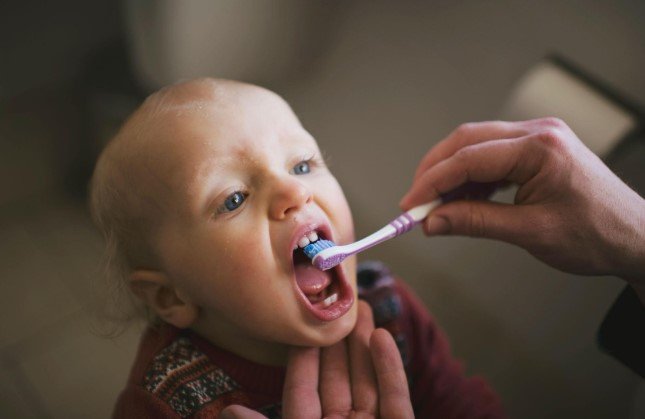
Helping Children Feel Comfortable at the Dentist
Positive dental experiences may help reduce anxiety.
Parents can support children by:
- Using positive language
- Reading age-appropriate dental books
- Discussing appointments calmly
- Arriving on time
- Encouraging questions
Every child responds differently to dental visits.
Choosing a Paediatric Dentist
When evaluating a Paed Dentist Near Me, families may wish to consider:
Qualifications
Verify professional registration and credentials.
Experience with Children
Consider the practitioner’s experience working with young patients.
Communication
Clear communication can help parents understand treatment recommendations.
Accessibility
Location and appointment availability may influence convenience.
Preventive Focus
A preventive approach may help support long-term oral health.
Frequently Asked Questions
What does a paediatric dentist do Paed Dentist Near Me?
A paediatric dentist focuses on the oral health needs of infants, children, and adolescents.
When should my child visit a dentist Paed Dentist Near Me?
Many practitioners recommend an early dental assessment after the first tooth appears or by the first birthday.
Are baby teeth important Paed Dentist Near Me?
Yes. Baby teeth contribute to eating, speech, and the development of permanent teeth.
How often should children have dental check-ups Paed Dentist Near Me?
The appropriate schedule varies and should be discussed with a dental practitioner.
Can tooth decay affect baby teeth Paed Dentist Near Me?
Yes. Tooth decay can affect both primary and permanent teeth.
Final Thoughts
Finding a trusted Paed Dentist Near Me can help families access professional dental care tailored to children’s unique needs. Regular dental visits, preventive care, healthy eating habits, and effective oral hygiene practices may support lifelong oral health.
Every child is different, and treatment recommendations should always be based on an individual assessment conducted by a qualified dental professional.