OUR CONTACTS


Unit 5/92 Evans Street, Sunbury VIC 3429 , Australia

(+61) 3 9717 7311

Fluoride Treatment Sunbury – Sunbury Dental Group

HomeServicesFluoride Treatment Sunbury – Sunbury Dental Group
Fluoride treatment Sunbury helping strengthen tooth enamel and prevent cavities

This is custom heading element

Fluoride treatment may be recommended when teeth need extra protection against decay. At Sunbury Dental Group in Sunbury, an in-clinic fluoride application can be considered for children and adults after a dentist reviews their teeth, gums, oral hygiene and individual risk factors.

To discuss fluoride treatment Sunbury or arrange an oral health assessment, contact Sunbury Dental Group on (03) 9717-7311 or visit Unit 5/92 Evans St, Sunbury VIC 3429.

what is fluoride treatment?

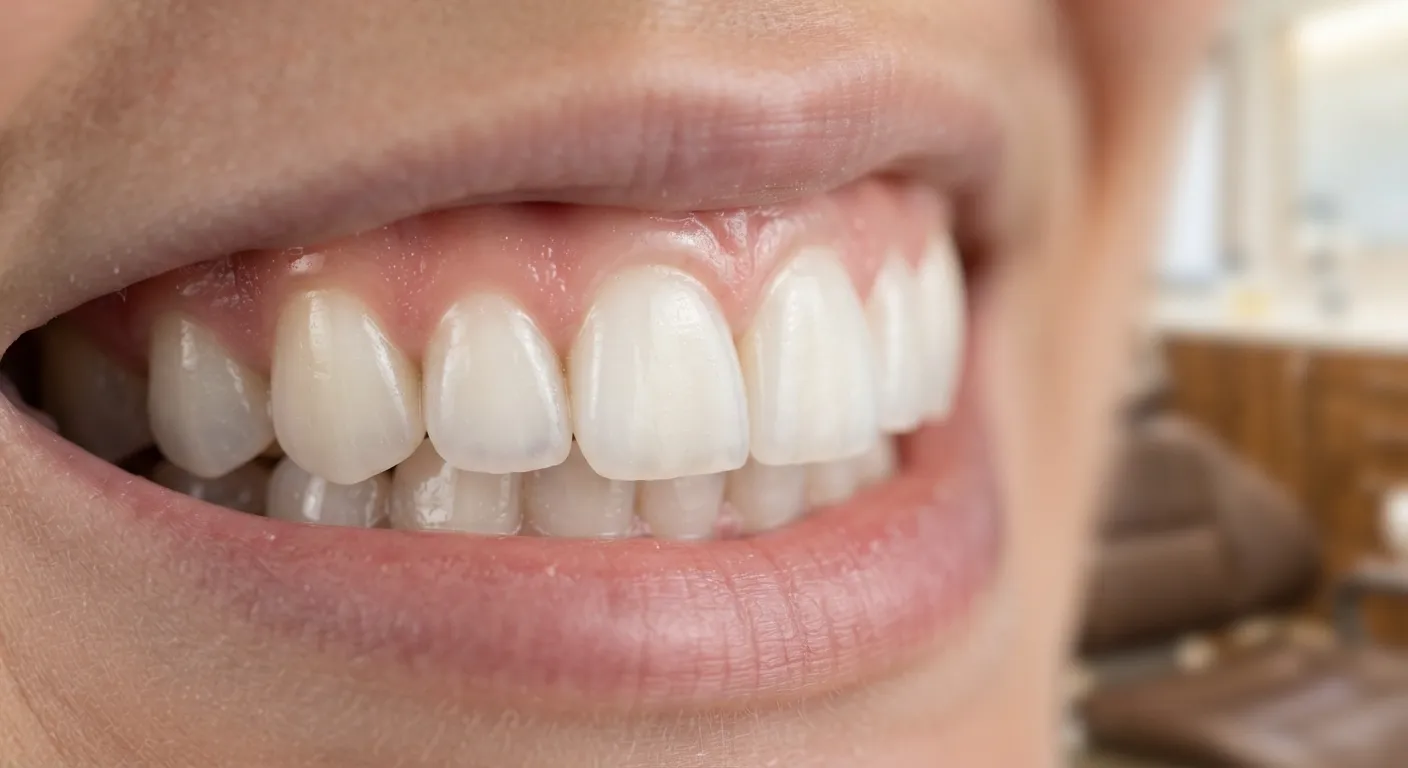
Fluoride treatment is a professional application of fluoride to the teeth, usually as a varnish, gel or foam depending on the product and clinical situation. Fluoride may help make enamel more resistant to acid attack and support remineralisation of early weakened areas.

It is not a substitute for brushing, cleaning between teeth, a balanced diet or regular dental examinations. Whether it is useful for you or your child depends on individual risk and should be decided after an assessment.

 

Who may benefit from fluoride treatment?

A dentist may discuss professional fluoride treatment for people with factors that increase their chance of developing tooth decay. This can include children or adults, but the decision should be individual.

Fluoride treatment may be considered where there is:

  • A history of recent cavities or repeated decay
  • Early enamel changes identified during an examination
  • Difficulty maintaining consistent brushing
  • Frequent intake of sugary foods or drinks
  • Reduced saliva flow or dry mouth
  • Exposed root surfaces caused by gum recession
  • Orthodontic appliances that make plaque removal more difficult
  • A medical history or medication that affects oral health
  • Higher decay risk identified by the dentist

Not everyone needs an in-clinic fluoride application at every visit. Your dentist can explain whether it may add value to your existing home-care routine.

Who may benefit from fluoride treatment?

A dentist may discuss professional fluoride treatment for people with factors that increase their chance of developing tooth decay. This can include children or adults, but the decision should be individual.

Fluoride treatment may be considered where there is:

  • A history of recent cavities or repeated decay
  • Early enamel changes identified during an examination
  • Difficulty maintaining consistent brushing
  • Frequent intake of sugary foods or drinks
  • Reduced saliva flow or dry mouth
  • Exposed root surfaces caused by gum recession
  • Orthodontic appliances that make plaque removal more difficult
  • A medical history or medication that affects oral health
  • Higher decay risk identified by the dentist

Not everyone needs an in-clinic fluoride application at every visit. Your dentist can explain whether it may add value to your existing home-care routine.

Why discuss fluoride with Sunbury Dental Group?

A professional fluoride recommendation should follow an assessment, not be treated as an automatic add-on. At Sunbury Dental Group, patients can ask what their individual decay risk means, how fluoride may fit into their preventive plan and what home-care changes may be useful. Dr Nita Kumari is listed by the practice with AHPRA registration number DEN0002423411. Practitioner registration can be checked through the AHPRA public register.

Is fluoride treatment only for children?

No. Fluoride is often discussed in children’s dentistry because children are still developing dental habits and may have a higher risk of decay at certain stages. However, adults can also have reasons to consider professional fluoride. For example, an adult with dry mouth, root exposure, a history of frequent cavities, difficulty cleaning around dental work or an increased risk identified during examination may benefit from a discussion about fluoride. The recommendation is based on oral-health needs, not age alone.

What happens during a fluoride appointment?

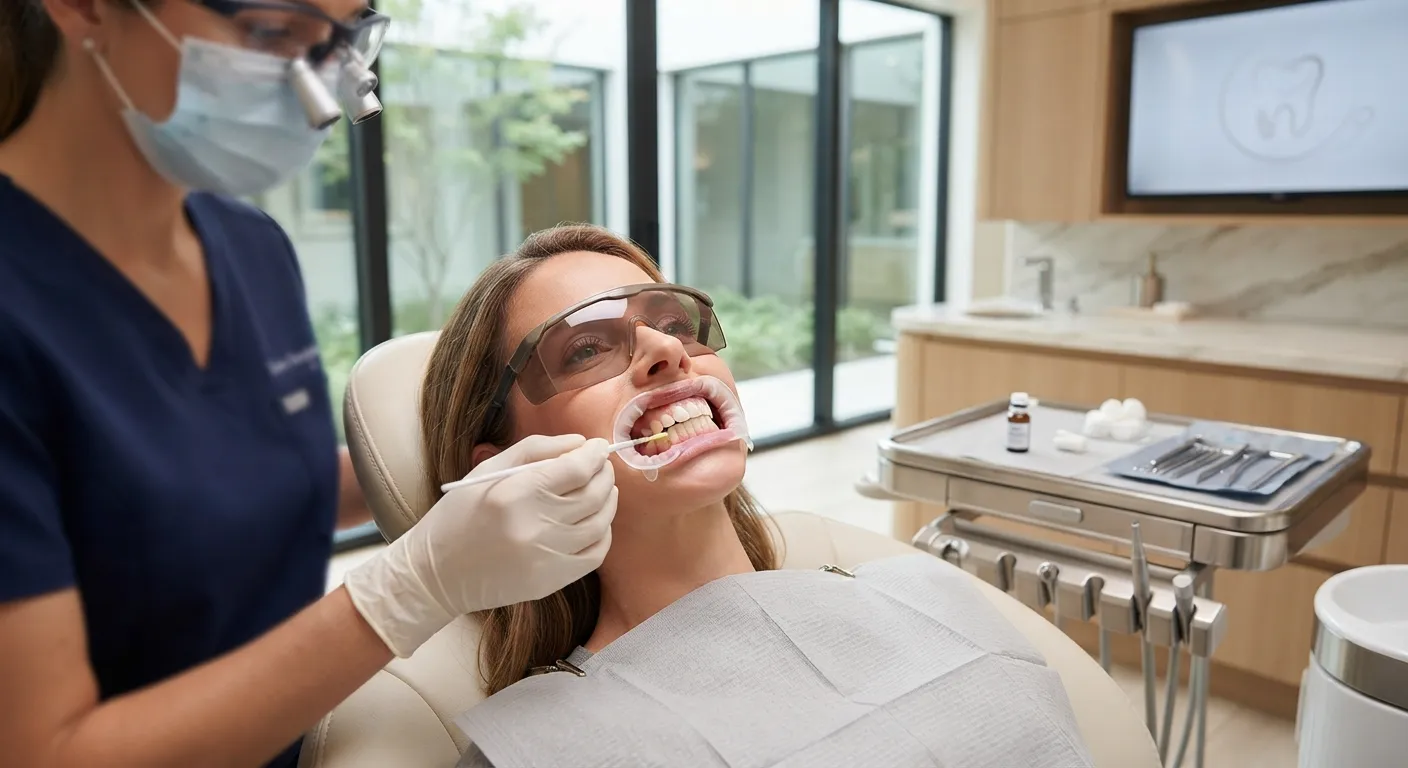
A fluoride application is usually straightforward and may be completed as part of a check-up or preventive dental visit. The exact process depends on the product used and the dentist’s instructions.

A typical appointment may involve:

  1. Reviewing your oral health and decay risk.
  2. Examining the teeth and gums.
  3. Discussing whether fluoride treatment is appropriate.
  4. Cleaning or drying the teeth as needed.
  5. Applying the fluoride product to relevant tooth surfaces.
  6. Giving instructions about eating, drinking or brushing afterwards.

The dental team should explain the product and aftercare relevant to your visit before you leave

This is custom heading element

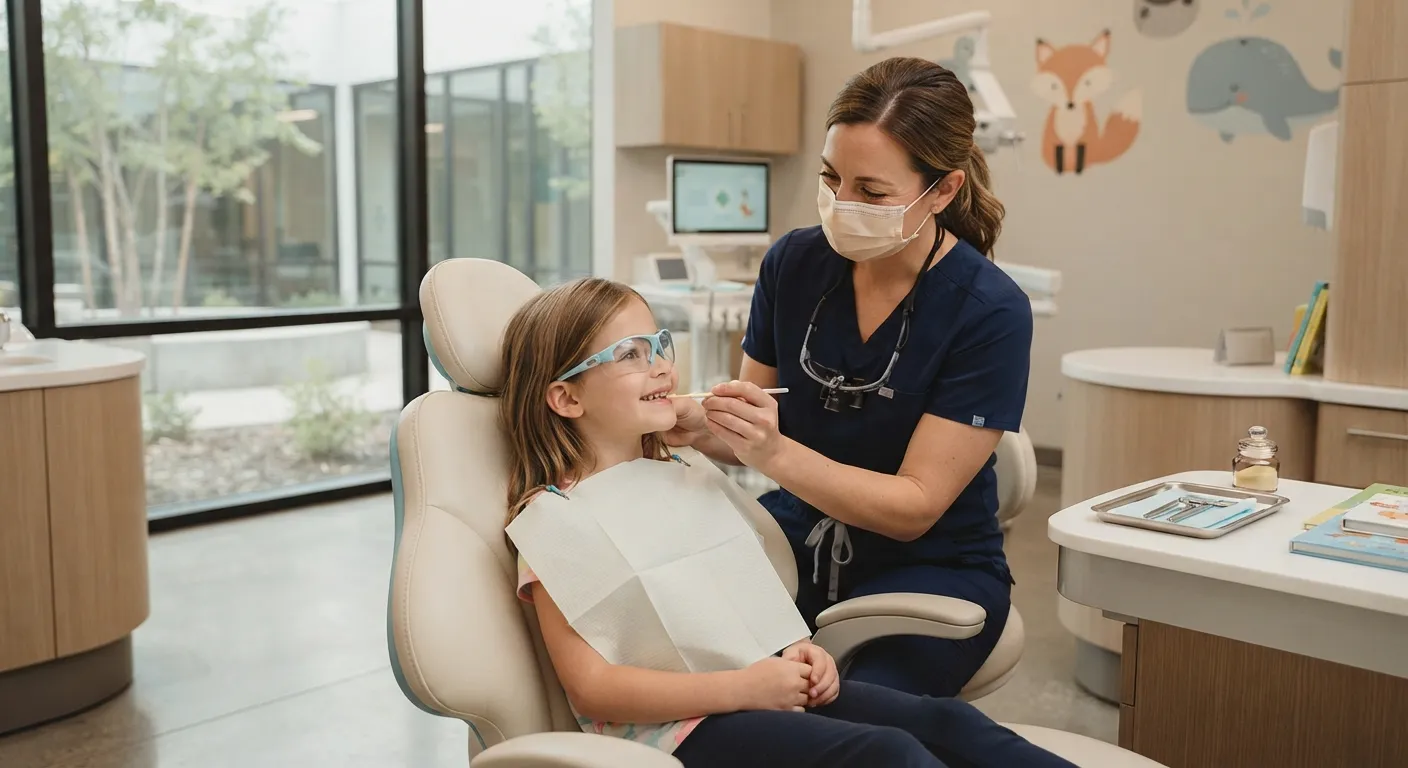
Parents often want to know whether fluoride is necessary, how it is applied and how to help children avoid swallowing dental products at home. A dental assessment can help answer those questions in the context of your child’s teeth, diet, brushing habits and cavity history.

For young children, adult supervision with fluoride toothpaste is important. The amount of toothpaste and the technique used should be appropriate for the child’s age and ability to spit. Your dentist can provide individual guidance rather than relying on a generic routine. If your child has had previous cavities, regular sugary snacks or drinks, difficulty brushing thoroughly, or visible changes to their teeth, mention this when booking.

What should adults know about fluoride treatment?

Adults can remain vulnerable to new decay, particularly around old fillings, crown margins, exposed roots or areas that are hard to clean. Dry mouth — whether linked to medication, health conditions or other factors — can also change the mouth’s natural protection against decay. A professional fluoride treatment may be one part of a broader preventive plan. It does not remove the need to man.

What should parents know about children’s fluoride treatment?

Parents often want to know whether fluoride is necessary, how it is applied and how to help children avoid swallowing dental products at home. A dental assessment can help answer those questions in the context of your child’s teeth, diet, brushing habits and cavity history.

For young children, adult supervision with fluoride toothpaste is important. The amount of toothpaste and the technique used should be appropriate for the child’s age and ability to spit. Your dentist can provide individual guidance rather than relying on a generic routine. If your child has had previous cavities, regular sugary snacks or drinks, difficulty brushing thoroughly, or visible changes to their teeth, mention this when booking.

What should adults know about fluoride treatment?

Adults can remain vulnerable to new decay, particularly around old fillings, crown margins, exposed roots or areas that are hard to clean. Dry mouth — whether linked to medication, health conditions or other factors — can also change the mouth’s natural protection against decay. A professional fluoride treatment may be one part of a broader preventive plan. It does not remove the need to man.

Fluoride treatment near Sunbury

Sunbury Dental Group is located in Sunbury and may be convenient for patients travelling from nearby areas including Bulla, Clarkefield, Hillside, Taylors Lakes, Sydenham, Kurunjang, Mickleham, Airport West, Melton, Aintree, Greenvale, Delahey, Keilor, Kings Park, Gladstone Park, St Albans, Brookfield, Burnside, Tullamarine and Bonnie Brook. The practice is located at its Sunbury address only. Mentioning surrounding areas does not indicate separate clinics, offices or consulting rooms outside Sunbury.

What should parents know about children’s fluoride treatment?

Parents often want to know whether fluoride is necessary, how it is applied and how to help children avoid swallowing dental products at home. A dental assessment can help answer those questions in the context of your child’s teeth, diet, brushing habits and cavity history.

For young children, adult supervision with fluoride toothpaste is important. The amount of toothpaste and the technique used should be appropriate for the child’s age and ability to spit. Your dentist can provide individual guidance rather than relying on a generic routine. If your child has had previous cavities, regular sugary snacks or drinks, difficulty brushing thoroughly, or visible changes to their teeth, mention this when booking.

What should adults know about fluoride treatment?

Adults can remain vulnerable to new decay, particularly around old fillings, crown margins, exposed roots or areas that are hard to clean. Dry mouth — whether linked to medication, health conditions or other factors — can also change the mouth’s natural protection against decay.

A professional fluoride treatment may be one part of a broader preventive plan. It does not remove the need to manage plaque, adjust dietary habits where relevant or return for recommended reviews

What are the benefits of repairing a tooth?

Tooth sensitivity has several possible causes, including enamel wear, gum recession, exposed dentine, cracked teeth, decay or problems with existing dental work. Fluoride may be considered in some situations, but it is not appropriate to assume sensitivity is caused by a fluoride deficiency.

An examination is important because the right treatment depends on the cause. If sensitivity is sharp, worsening, localised to one tooth or associated with pain when biting, arrange a dental appointment rather than relying only on a preventive product.

Are there risks or limitations?

Professional fluoride products are used according to clinical guidance and the dental team’s instructions. However, treatment should be selected appropriately for the individual, especially for children or people with specific health concerns.

Fluoride treatment does not repair a hole in a tooth, reverse extensive decay or replace a filling, crown or other treatment when those are needed. It may support early prevention, but it cannot guarantee that cavities will not develop in the future. Tell the dental team about relevant medical conditions, allergies, current medications and any concerns before treatment. If you have questions about the product used, ask your dentist to explain why it has been recommended.

Can fluoride treatment help sensitive teeth?

Tooth sensitivity has several possible causes, including enamel wear, gum recession, exposed dentine, cracked teeth, decay or problems with existing dental work. Fluoride may be considered in some situations, but it is not appropriate to assume sensitivity is caused by a fluoride deficiency.

An examination is important because the right treatment depends on the cause. If sensitivity is sharp, worsening, localised to one tooth or associated with pain when biting, arrange a dental appointment rather than relying only on a preventive product.

Are there risks or limitations?

Professional fluoride products are used according to clinical guidance and the dental team’s instructions. However, treatment should be selected appropriately for the individual, especially for children or people with specific health concerns.

Fluoride treatment does not repair a hole in a tooth, reverse extensive decay or replace a filling, crown or other treatment when those are needed. It may support early prevention, but it cannot guarantee that cavities will not develop in the future. Tell the dental team about relevant medical conditions, allergies, current medications and any concerns before treatment. If you have questions about the product used, ask your dentist to explain why it has been recommended.

What happens after fluoride treatment?

Aftercare depends on the product applied. You may be asked to wait for a specified period before eating, drinking, brushing or flossing. Follow the advice given by the clinic, as it may differ depending on the fluoride product and how it was used.

The treatment’s benefit is supported by what happens between appointments:

  • Brush twice daily with fluoride toothpaste, using the amount recommended for your age.
  • Clean between teeth where appropriate.
  • Limit frequent sugary snacks and drinks.
  • Drink water regularly, particularly if you experience dry mouth.
  • Attend dental reviews at the interval advised for your oral health.

Ready for a confident smile? Book your FREE consultation

For Cosmetic Dentistry, Braces & Invisalign, Dental Implants, and Smile Makeovers.

F.A.Q - Fluoride treatment in Sunbury

Fluoride treatment is a professional dental application that may help strengthen tooth enamel and reduce the risk of tooth decay in people with increased cavity risk. Sunbury Dental Group, located at Unit 5/92 Evans St, Sunbury VIC 3429, can assess whether fluoride treatment may be appropriate for children or adults. It complements, rather than replaces, fluoride toothpaste, daily oral hygiene and regular dental examinations. Call (03) 9717-7311 to arrange an assessment.

Professional fluoride treatment is a dentist-applied fluoride product, often a varnish, gel or foam, used to support enamel strength and help reduce the risk of dental decay in suitable patients.

No. The need for professional fluoride depends on your personal risk of tooth decay, oral hygiene, diet, medical history, saliva flow, existing dental work and examination findings.

A dentist can determine whether fluoride treatment is appropriate for a child and apply it using an age-appropriate method. Parents should also supervise fluoride toothpaste use at home and follow individual advice about the right amount.

Yes. Adults may be considered for fluoride treatment if they have a higher risk of decay, dry mouth, exposed roots, repeated cavities, or other concerns identified during an examination.

No. Fluoride may support remineralisation of very early enamel weakening, but it cannot repair an established hole or extensive tooth damage. A cavity may need a filling or another treatment after examination.

Fluoride may be useful in some sensitivity situations, but sensitivity can also be caused by decay, cracks, gum recession, enamel wear or issues with dental restorations. A dentist should identify the cause.