Introduction
When considering orthodontic treatment, one of the first questions many people ask is: “What is the cost orthodontic braces treatment?” Whether you are exploring options for yourself, a teenager, or a younger child, understanding the factors that influence orthodontic costs can help you make informed decisions.
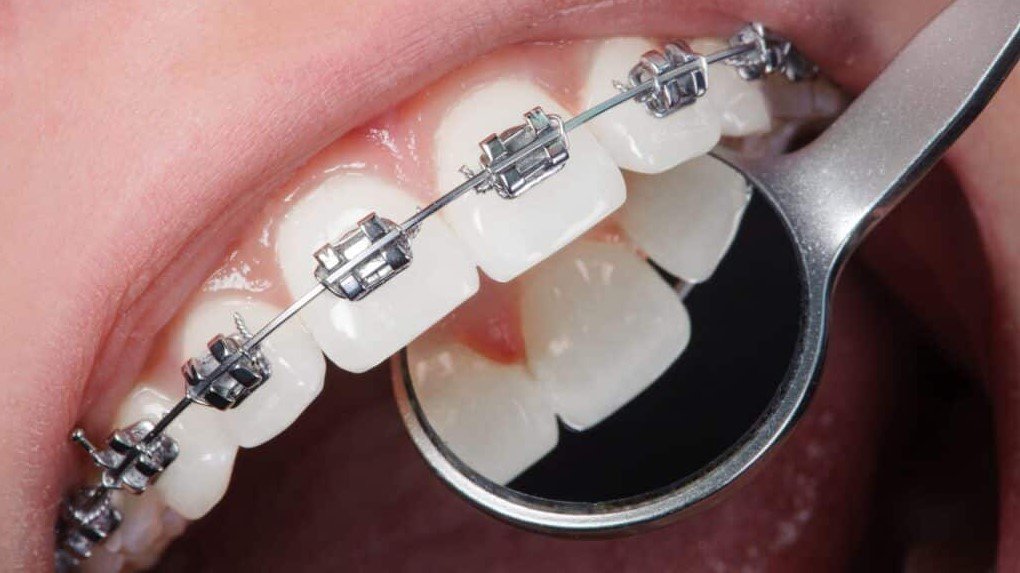
Orthodontic braces are designed to improve tooth alignment, bite function, and overall dental appearance. Modern orthodontic treatment offers several choices, including traditional metal braces, ceramic braces, lingual braces, and clear aligners. Each option comes with different treatment approaches, maintenance requirements, and pricing considerations.
The cost orthodontic braces treatment varies significantly depending on individual circumstances. Factors such as treatment complexity, duration, location, orthodontic technology, and follow-up appointments can all influence the overall investment.
This guide explores everything you need to know about cost orthodontic braces treatment, including factors that affect pricing, available treatment options, potential long-term benefits, and frequently asked questions.
What Are Orthodontic Braces?
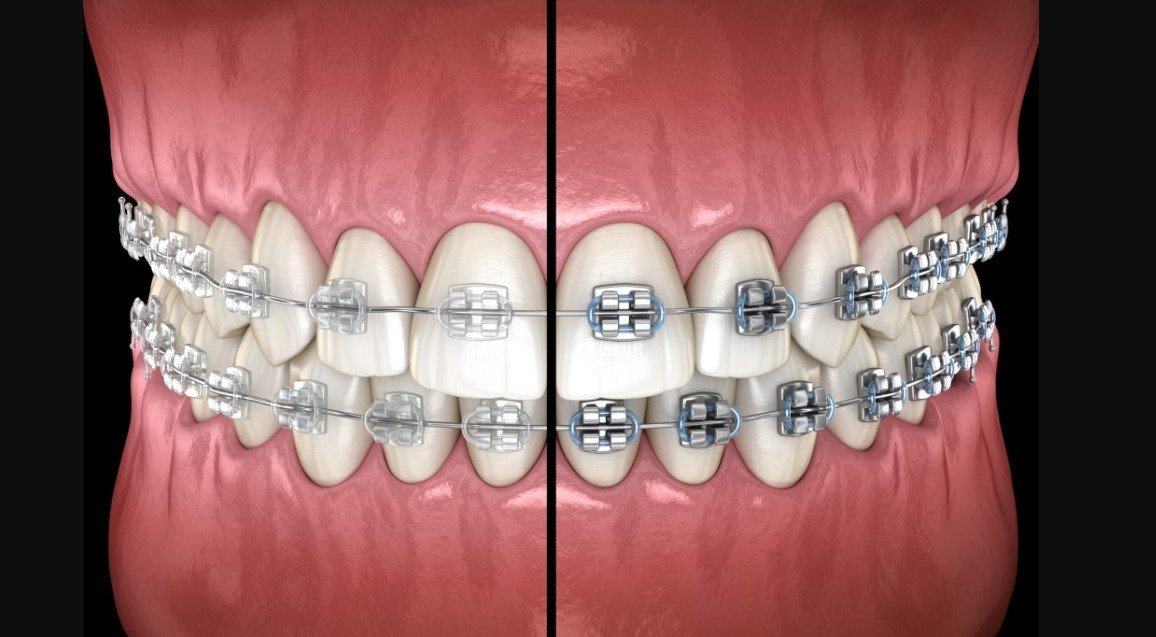
Orthodontic braces are dental appliances used to gradually move teeth into improved positions. They apply gentle and continuous pressure to help correct alignment issues over time.
Orthodontic treatment may be recommended for:
- Crooked teeth
- Crowded teeth
- Gaps between teeth
- Overbite
- Underbite
- Crossbite
- Open bite
- Jaw alignment concerns
Braces work by applying controlled force to the teeth and supporting structures. As teeth gradually shift, regular adjustments help maintain progress toward the treatment goal.
Why People Consider Orthodontic Braces
Many people initially think braces are purely cosmetic. While appearance is often a motivating factor, orthodontic treatment can also support oral health and function.
Potential benefits may include:
Improved Oral Hygiene Cost Orthodontic Braces
Crowded teeth can create difficult-to-clean areas. Improved alignment may help make brushing and flossing easier.
Better Bite Function Cost Orthodontic Braces
A balanced bite can contribute to more efficient chewing and overall comfort.
Reduced Tooth Wear Cost Orthodontic Braces
Misaligned teeth sometimes place uneven pressure on specific areas, potentially leading to excessive wear over time.
Increased Confidence Cost Orthodontic Braces
Many individuals feel more comfortable smiling after orthodontic treatment.
Long-Term Dental Health Considerations
Correcting alignment issues may support easier oral care routines and help manage certain dental concerns.
Understanding Cost Orthodontic Braces
The cost orthodontic braces treatment is not the same for every patient. Treatment plans are highly individual.
Several variables influence the overall cost, including:
- Type of braces selected
- Severity of alignment issues
- Treatment duration
- Diagnostic procedures
- Orthodontic technology used
- Follow-up appointments
- Retainers after treatment
Because every case is unique, orthodontic pricing often reflects the complexity of treatment rather than simply the braces themselves.
Types of Cost Orthodontic Braces
Understanding available treatment options helps explain why orthodontic costs vary.
Traditional Metal Braces
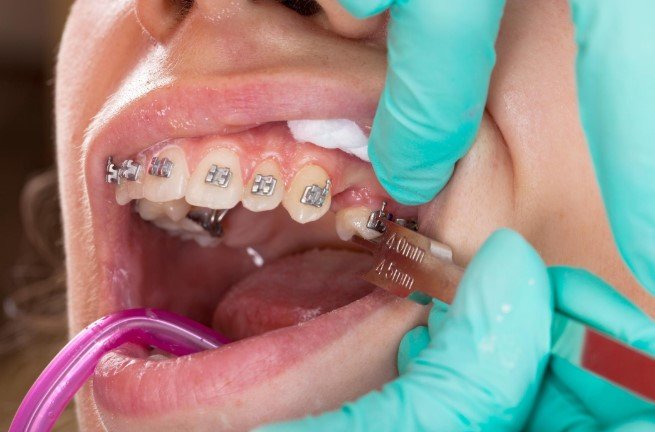
Metal braces remain one of the most commonly used orthodontic systems.
Features include:
- Stainless steel brackets
- Archwires
- Elastic bands
- Suitable for many orthodontic cases
Advantages:
- Durable
- Effective for complex cases
- Widely used
Considerations:
- More noticeable than other options
Because of their effectiveness, metal braces continue to be a popular orthodontic solution.
Ceramic Cost Orthodontic Braces
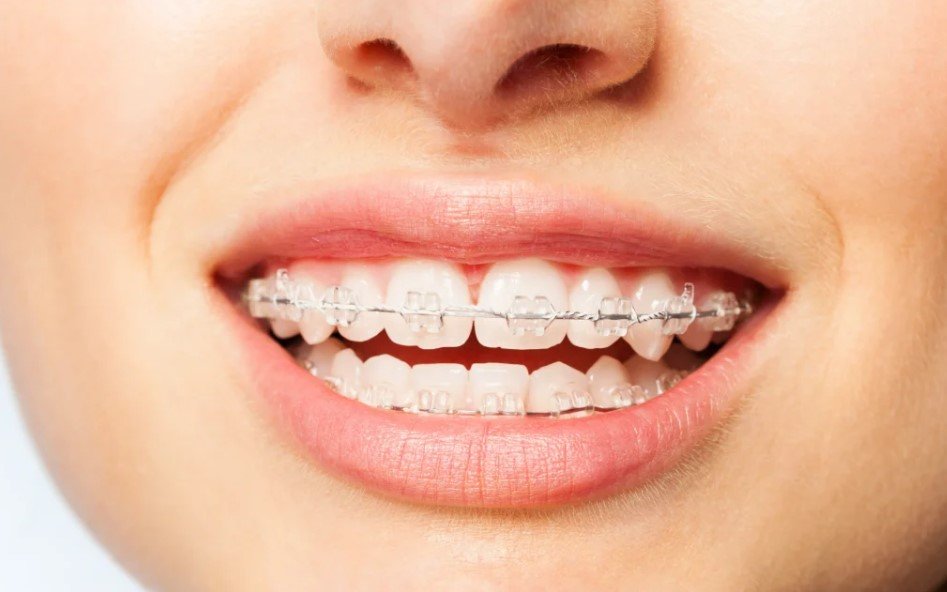
Ceramic braces function similarly to traditional braces but use tooth-coloured or clear brackets.
Advantages:
- Less noticeable
- Blend with natural teeth
Considerations:
- May require additional care
- Brackets can be more delicate
Many adults prefer ceramic braces because of their appearance.
Lingual Braces
Lingual braces are attached to the back surfaces of teeth.
Advantages:
- Hidden from view
- Suitable for certain orthodontic cases
Considerations:
- More complex placement
- May require adjustment time
Because they are customised, lingual braces often involve additional treatment considerations.
Clear Aligners
Clear aligners use a series of custom-made removable trays.
Advantages:
- Nearly invisible
- Removable for eating
- Easier brushing and flossing
Considerations:
- Requires consistent wear
- Not suitable for every case
Clear aligners have become increasingly popular among adults seeking discreet treatment options.
Factors Affecting Cost Orthodontic Braces
- Complexity of Treatment
Mild spacing issues generally require different treatment approaches than severe crowding or bite correction.
Complex cases may involve:
- Multiple tooth movements
- Jaw alignment considerations
- Extended treatment periods
Greater complexity often requires more appointments and monitoring.
- Treatment Duration
Orthodontic treatment can vary significantly in length.
Treatment duration may depend on:
- Severity of alignment concerns
- Patient age
- Type of braces used
- Treatment goals
Longer treatment typically involves additional monitoring and adjustments.
- Diagnostic Records
Orthodontic planning often involves detailed assessments.
Examples include:
- Dental examinations
- Digital scans
- Photographs
- X-rays
- Treatment planning software
These records help create a customised treatment plan.
- Technology Used
Modern orthodontics continues to evolve.
Advanced technologies may include:
- Digital imaging
- 3D scanning
- Computer-guided treatment planning
- Digital monitoring systems
Technology can improve planning accuracy and patient experience.
- Follow-Up Appointments
Orthodontic treatment requires regular reviews.
These appointments may involve:
- Progress assessments
- Wire adjustments
- Bracket maintenance
- Monitoring tooth movement
Consistent follow-up care is an important part of treatment.
- Retainers After Treatment
Retainers help maintain results after active treatment is completed.
Without retention, teeth can gradually shift over time.
Retention options may include:
- Removable retainers
- Fixed retainers
Post-treatment retention is often an important consideration when evaluating total orthodontic costs.
Age and Orthodontic Treatment
Orthodontic Braces for Children
Children may receive orthodontic assessments during their developmental years.
Early evaluation may identify:
- Growth concerns
- Bite issues
- Crowding
- Spacing problems
Not every child requires immediate treatment, but monitoring can help guide future decisions.
Orthodontic Braces for Teenagers
Teenage years are a common time for orthodontic treatment.
Benefits may include:
- Ongoing jaw development
- Easier tooth movement
- Wide range of treatment options
Many teenagers successfully complete orthodontic treatment during adolescence.
Orthodontic Braces for Adults
Adult orthodontics has become increasingly popular.
Adults often choose treatment for:
- Cosmetic improvement
- Bite correction
- Relapse after previous treatment
Modern orthodontic solutions offer discreet treatment choices that appeal to adult patients.
Are More Expensive Braces Always Better?
Not necessarily.
The most suitable treatment depends on:
- Individual goals
- Complexity of treatment
- Lifestyle preferences
- Professional recommendations
Different orthodontic systems have different strengths.
The best option is often the one that addresses your specific orthodontic needs rather than simply the highest-priced solution.
Common Orthodontic Problems Braces Can Address
Crowded Teeth
Crowding occurs when there is insufficient space for proper alignment.
Potential concerns include:
- Cleaning difficulties
- Uneven wear
- Aesthetic concerns
Orthodontic treatment can help create improved alignment.
Gaps Between Teeth
Spacing issues may occur naturally or develop over time.
Treatment can help close gaps and improve overall tooth positioning.
Overbite
An overbite occurs when upper teeth significantly overlap lower teeth.
Orthodontic treatment may help improve bite relationships.
Underbite
An underbite occurs when lower teeth extend beyond upper teeth.
Treatment approaches vary depending on severity and age.
Crossbite
Crossbites involve improper tooth positioning between upper and lower arches.
Early assessment can help determine appropriate management options.
Open Bite
An open bite occurs when the upper and lower teeth do not meet properly when the mouth is closed.
This condition may affect:
- Biting certain foods
- Speech in some cases
- Overall bite function
Orthodontic treatment plans vary depending on the underlying cause and severity of the open bite.
How Orthodontic Treatment Is Planned
Orthodontic treatment is not a one-size-fits-all process. Every patient presents unique dental characteristics that require careful assessment.
A treatment plan may involve:
Initial Consultation
The first step generally includes:
- Dental examination
- Discussion of concerns
- Review of oral health history
- Preliminary treatment recommendations
Diagnostic Records
Detailed records help create a customised approach.
These may include:
- Digital scans
- Photographs
- X-rays
- Bite analysis
Treatment Planning
Orthodontic planning focuses on:
- Tooth movement goals
- Bite correction objectives
- Estimated treatment timeline
- Retention strategy
A personalised plan helps ensure treatment progresses in a structured manner.
What Can Influence Orthodontic Treatment Time?
Many people researching cost orthodontic braces are also interested in treatment duration.
Several factors can influence how long treatment takes.
Severity of Misalignment Cost Orthodontic Braces
Mild spacing issues generally require different treatment approaches than significant crowding or bite corrections.
Patient Compliance Cost Orthodontic Braces
Following instructions is an important part of treatment.
Examples include:
- Attending appointments
- Wearing elastics when advised
- Maintaining oral hygiene
- Wearing retainers after treatment
Type of Orthodontic System
Different orthodontic systems may have different treatment protocols.
Individual Biological Response Cost Orthodontic Braces
Every person responds differently to orthodontic tooth movement.
For this reason, treatment timelines can vary even among patients with similar alignment concerns.
Maintaining Oral Hygiene During Orthodontic Treatment
Oral hygiene plays a major role throughout orthodontic care.
Braces create additional areas where food particles and plaque may accumulate.
Brushing Tips
Patients are often encouraged to:
- Brush after meals
- Use a soft-bristled toothbrush
- Clean around brackets carefully
- Spend adequate time brushing
Flossing
Cleaning between teeth remains important during treatment.
Special orthodontic flossing tools may help improve access.
Regular Dental Check-Ups
Routine dental examinations can help monitor oral health while orthodontic treatment is ongoing.
Foods to Consider During Orthodontic Treatment
Dietary habits can influence the orthodontic experience.
Some foods may place excessive pressure on brackets and wires.
Examples often requiring extra care include:
- Hard candies
- Ice cubes
- Sticky sweets
- Hard nuts
- Chewy foods
Choosing softer food options can help minimise unnecessary appliance damage.
Cost Orthodontic Braces and Long-Term Value
Many individuals evaluate orthodontic treatment as a long-term investment rather than a short-term expense.
Potential long-term advantages may include:
- Improved dental alignment
- Better bite relationships
- Easier oral hygiene access
- Enhanced smile appearance
- Increased confidence
Because orthodontic treatment outcomes can last for many years, many patients consider both immediate and long-term benefits when comparing options.
Questions to Ask Before Starting Orthodontic Treatment
When researching cost orthodontic braces, it may be helpful to ask several questions.
What Type of Braces Are Suitable?
Not every orthodontic system is ideal for every case.
What Is Included in the Treatment Plan?
Patients often wish to understand:
- Diagnostic procedures
- Follow-up visits
- Adjustments
- Retainers
How Long May Treatment Take?
Estimated treatment duration can help with planning and expectations.
What Maintenance Is Required?
Understanding daily care requirements helps support treatment success.
What Happens After Treatment?
Retention is an important topic because it helps maintain alignment after braces are removed.
Orthodontic Braces and Smile Confidence
One of the most commonly discussed benefits of orthodontic treatment relates to smile appearance.
Many people feel self-conscious about:
- Crooked teeth
- Crowding
- Gaps
- Bite concerns
Improved alignment may contribute to greater confidence in social, educational, and professional settings.
While every experience is unique, smile aesthetics remain a common motivation for pursuing orthodontic care.
Modern Developments in Orthodontics
Orthodontics continues to evolve through advances in technology and treatment planning.
Some developments include:
Digital Scanning
Digital impressions can improve patient comfort compared with traditional impression materials.
3D Treatment Planning
Advanced software can assist with visualising tooth movement and treatment progression.
Clear Aligner Technology
Clear aligners have expanded treatment choices for patients seeking removable orthodontic appliances.
Improved Materials
Modern brackets and wires are designed to support efficient tooth movement and patient comfort.
These innovations continue to shape contemporary orthodontic care.
Understanding Retention After Braces
Completing active treatment is only one stage of the orthodontic process.
Retention helps preserve treatment results.
Why Retainers Matter
Teeth naturally have a tendency to shift over time.
Retainers help:
- Maintain alignment
- Support long-term stability
- Protect treatment outcomes
Types of Retainers
Removable Retainers
Can be taken out for cleaning and eating.
Fixed Retainers
Attached behind the teeth to provide continuous retention.
The most appropriate retention method depends on individual circumstances.
Common Myths About Cost Orthodontic Braces
Myth 1: Braces Are Only for Teenagers
Adults increasingly choose orthodontic treatment.
Many orthodontic systems are suitable for adult patients.
Myth 2: All Braces Cost the Same
Treatment costs vary according to complexity, duration, and appliance type.
Myth 3: Orthodontic Treatment Is Only Cosmetic
Orthodontics may also address bite function and alignment concerns.
Myth 4: Results Last Forever Without Retainers
Retention is typically important for maintaining alignment.
Myth 5: Clear Aligners and Braces Are Identical
Both systems aim to move teeth, but treatment methods and suitability can differ.
How to Compare Orthodontic Treatment Options
When evaluating orthodontic choices, consider more than price alone.
Important factors include:
- Treatment goals
- Appearance preferences
- Lifestyle considerations
- Maintenance requirements
- Appointment schedules
- Retention plans
A balanced comparison often provides a clearer understanding of available options.
Cost Orthodontic Braces for Families
Families researching orthodontic treatment often compare options for multiple children or teenagers.
Important considerations may include:
- Timing of treatment
- Growth and development stages
- Long-term planning
- Monitoring appointments
Orthodontic evaluations can help identify the most appropriate treatment pathway for each family member.
Orthodontic Braces and Everyday Life
Many people adapt to orthodontic treatment quickly.
Daily routines may include:
- Brushing carefully
- Flossing consistently
- Attending reviews
- Following appliance instructions
Most patients gradually become comfortable with these routines as treatment progresses.
Future Trends in Orthodontics
The future of orthodontics may include:
- Enhanced digital workflows
- Artificial intelligence-assisted planning
- Advanced monitoring technologies
- Improved aligner systems
- More personalised treatment strategies
These developments continue to improve patient experiences and treatment efficiency.
Frequently Asked Questions About Cost Orthodontic Braces
What factors influence the cost orthodontic braces treatment?
Treatment complexity, duration, appliance type, diagnostic procedures, follow-up visits, and retention requirements can all influence overall costs.
Are metal braces still popular?
Yes. Traditional metal braces remain one of the most commonly used orthodontic systems because of their versatility and effectiveness.
Can adults get orthodontic braces?
Absolutely. Many adults choose orthodontic treatment to improve alignment, bite function, or smile appearance.
Are clear aligners an alternative to braces?
In certain cases, clear aligners may be a suitable alternative. Treatment suitability depends on individual orthodontic needs.
Why are retainers important Cost Orthodontic Braces?
Retainers help maintain alignment after active orthodontic treatment is completed.
How long does orthodontic treatment usually take?
Treatment duration varies depending on individual circumstances, complexity, and treatment goals.
Is orthodontic treatment only for cosmetic reasons?
No. Orthodontic care may also address bite function, spacing issues, crowding, and alignment concerns.
Can orthodontic treatment improve oral hygiene?
Improved alignment may help Cost Orthodontic Braces make some areas easier to clean, supporting oral hygiene routines.
What is the best age for orthodontic treatment?
There is no single best age. Orthodontic assessments may be appropriate for children, teenagers, and adults depending on individual needs.
Why do orthodontic costs vary?
Each treatment plan is customised, which means the required procedures, duration, and appliances may differ from person to person.
Conclusion
Understanding cost orthodontic braces involves much more than comparing appliance prices. Orthodontic treatment is a personalised process influenced by treatment complexity, technology, duration, retention requirements, and individual goals.
Whether considering metal braces, ceramic braces, lingual braces, or clear aligners, researching available options can help individuals make informed decisions about their oral health and smile goals.
Modern orthodontics continues to offer a wide range of treatment choices for children, teenagers, and adults. By understanding how orthodontic treatment works and what factors influence costs, patients can approach treatment planning with greater confidence and clarity.
As orthodontic technology continues to evolve, individuals have more options than ever before for improving alignment, bite function, and smile appearance through carefully planned orthodontic care.