Introduction
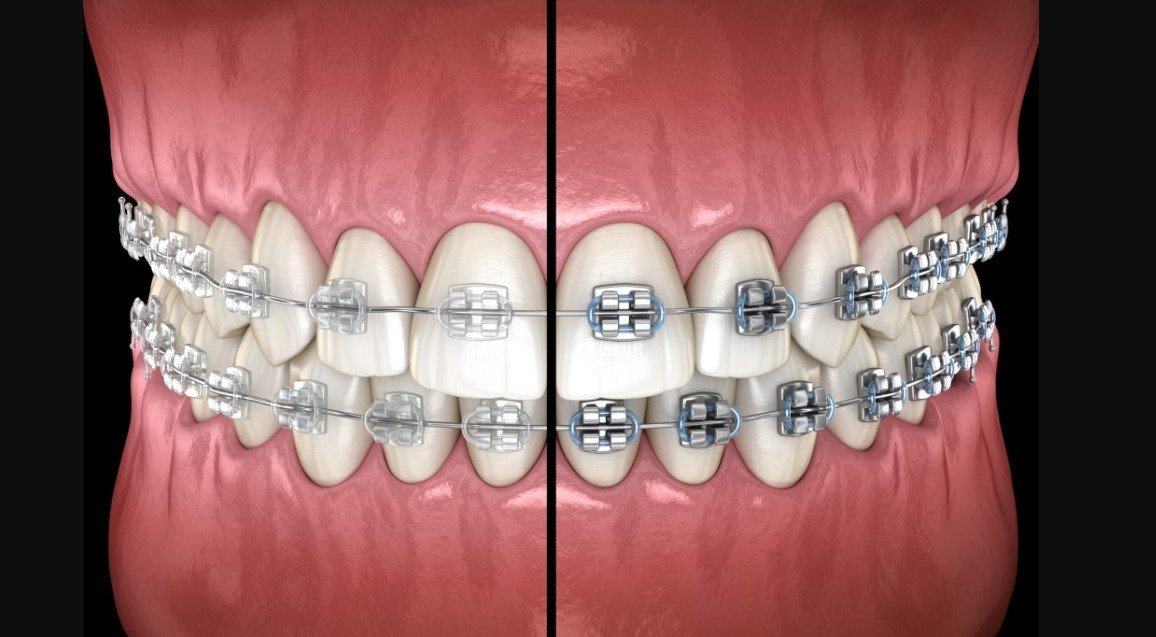
Orthodontic treatment is an important step toward achieving a healthier, straighter smile. Whether you are wearing traditional metal braces, ceramic braces, or other orthodontic appliances, some degree of irritation and discomfort is common, especially during the first few weeks of treatment or after adjustments. One of the simplest and most effective ways to reduce this discomfort is through the use of orthodontic waxing.
Orthodontic wax is a soft, safe material designed to cover brackets, wires, and other orthodontic components that may rub against the cheeks, lips, or gums. By creating a protective barrier, orthodontic waxes helps minimise irritation and allows sensitive tissues inside the mouth to heal comfortably.
Patients in Sunbury and nearby communities often ask about orthodontic wax and how it can improve their orthodontic experience. This guide explains everything you need to know, including how orthodontic works, when to use it, its benefits, application techniques, and answers to common questions.
What Is Orthodontic Wax?
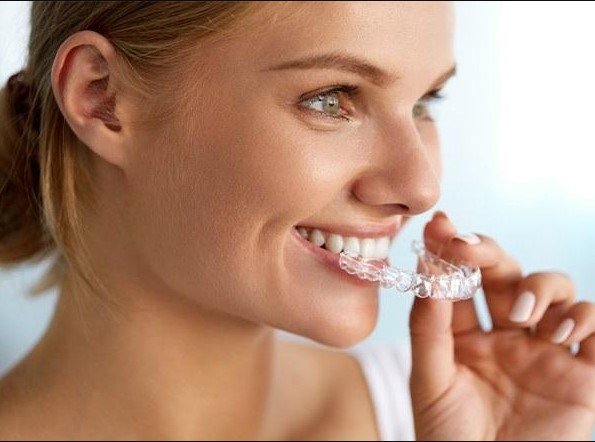
Orthodontic wax is a specially designed dental wax used to cover areas of braces or orthodontic appliances that cause irritation. It is made from non-toxic, medical-grade materials and is safe for use inside the mouth.
The wax is soft and mouldable, allowing it to be easily shaped and placed over brackets, hooks, or wires. Once applied, it creates a smooth surface that reduces friction between the appliance and the soft tissues of the mouth.
Orthodontists commonly recommend as a temporary solution for managing discomfort during treatment.
Key Features of Orthodontic
- Soft and easy to shape
- Safe for oral use
- Non-toxic
- Suitable for adults and children
- Provides quick relief from irritation
- Easy to remove and replace
Why Orthodontic Wax Is Important
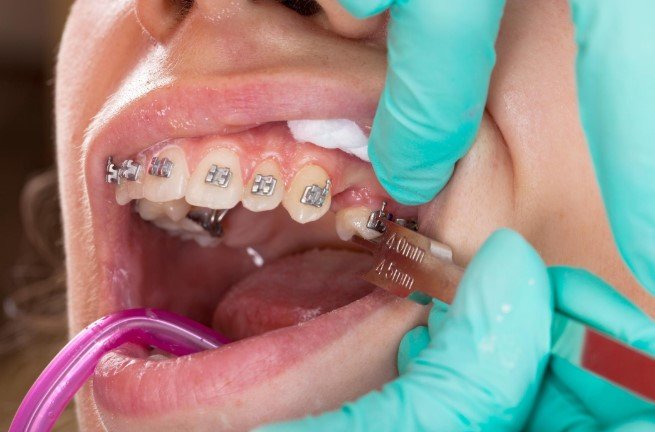
Braces work by gradually moving teeth into better alignment. During this process, brackets and wires may occasionally come into contact with the cheeks, lips, and gums.
Common issues include:
- Sore spots inside the mouth
- Irritated cheeks
- Lip discomfort
- Minor ulcers
- Sensitivity after adjustments
Orthodontic wax helps by acting as a cushion between the appliance and soft tissues, reducing irritation and making treatment more comfortable.
How Orthodontic Works
The primary function of orthodontic wax is to create a protective barrier.
When a small amount of wax is placed over a bracket or wire:
- The rough surface is covered.
- Friction is reduced.
- Soft tissues are protected.
- Existing irritation is allowed to heal.
- Overall comfort is improved.
Many patients notice relief almost immediately after applying orthodontic.
Benefits of Orthodontic
Immediate Relief
One of the biggest advantages of wax orthodontic is the fast relief it provides. Patients often experience less irritation within minutes.
Protection Against Ulcers
Repeated rubbing from brackets or wires can lead to mouth ulcers wax helps prevent this friction.
Improved Comfort While Eating
Covering irritating areas can make chewing and speaking more comfortable.
Better Adjustment to Braces
Orthodontic wax helps patients adapt to braces during the early stages of treatment.
Supports Healing
If irritation has already occurred, wax can protect the area and allow it to heal.
Easy to Use
The application process is simple and can be done at home or on the go.
When Should You Use Orthodontic?
Orthodontic wax is useful in several situations.
After Getting Braces
Many patients experience irritation when braces are first fitted.
Following Orthodontic Adjustments
Tightening appointments may increase sensitivity temporarily.
When a Wire Is Protruding
A wire that extends too far may irritate the cheek or gums.
If a Bracket Feels Sharp
Certain brackets may rub against soft tissues.
During Sports Activities
Some athletes use orthodontic wax for added protection during training and competition.
When Mouth Ulcers Develop
Wax helps prevent further irritation while the area heals.
How to Apply Wax
Applying wax orthodontic correctly ensures the best results.
Step 1: Wash Your Hands
Always start with clean hands.
Step 2: Brush Your Teeth
Remove food particles and plaque around the affected area.
Step 3: Dry the Appliance
Use tissue or gauze to dry the bracket or wire.
Step 4: Prepare the Wax
Take a small piece of orthodontic waxing and roll it into a ball.
Step 5: Apply the Wax
Place the wax over the irritating bracket or wire.
Step 6: Smooth the Surface
Press gently until the wax covers the area completely.
Step 7: Check Comfort
Move your lips and cheeks to ensure the area feels comfortable.
How Often Should Wax Be Replaced?
Orthodontic wax should be changed regularly.
Replace the wax:
- After meals
- After brushing your teeth
- When it becomes dirty
- If it falls off
- When it no longer provides comfort
Fresh wax provides better protection and hygiene.
Is Orthodontic Wax Safe?
Yes. Orthodontic wax is considered safe for both adults and children.
Safety Benefits
- Made from non-toxic materials
- Designed for oral use
- Easy to apply and remove
- Widely recommended by orthodontists
If a small amount is accidentally swallowed, it is generally not harmful.
Orthodonties Wax for Children
Children often find braces challenging during the first few weeks of treatment.
Orthodontic wax can help by:
- Reducing discomfort
- Preventing cheek irritation
- Making eating easier
- Improving confidence
- Encouraging treatment compliance
Parents should supervise younger children when applying wax.
Orthodontic Wax for Teenagers
Teenagers are among the most common orthodontic patients.
Benefits for teenagers include:
- Improved comfort at school
- Easier participation in sports
- Reduced irritation during social activities
- Better confidence while speaking and smiling
Orthodontic Wax for Adults
More adults than ever are choosing orthodontic treatment.
Orthodontic wax helps adults:
- Stay comfortable at work
- Attend meetings confidently
- Enjoy social occasions
- Adapt to braces more easily
Common Orthodontic Problems Orthodontic Wax Can Help With
Sharp Brackets
Brackets may occasionally irritate the lips or cheeks.
Poking Wires
A wire extending beyond the bracket can be uncomfortable.
Broken Appliances
Orthodontic wax can provide temporary protection until professional care is available.
Mouth Ulcers
Wax helps prevent further irritation and promotes healing.
Gum Sensitivity
Covering irritating components can reduce discomfort.
Orthodontic Wax and Oral Hygiene
Good oral hygiene remains essential during orthodontic treatment.
Oral Hygiene Tips
- Brush twice daily
- Clean around brackets carefully
- Use interdental brushes
- Floss regularly
- Attend routine dental check-ups
Orthodontic should complement good oral hygiene practices, not replace them.
Common Mistakes to Avoid
Applying Wax to Wet Brackets
Wax adheres better to dry surfaces.
Using Too Much Wax
A small amount is usually sufficient.
Ignoring Orthodontic Emergencies
Wax provides temporary relief but does not replace professional treatment.
Poor Cleaning Habits
Continue brushing and flossing regularly.
Delaying Professional Care
Persistent discomfort should be assessed by an orthodontic professional.
Alternatives to Orthodontic Wax
While orthodontic wax is highly effective, alternatives may include:
- Silicone orthodontic protectors
- Orthodontic relief strips
- Professional appliance adjustments
Speak with your orthodontist if irritation continues despite using wax.
Emergency Orthodontic Care
Orthodontic wax can help manage minor orthodontic emergencies, including:
- Irritating wires
- Loose brackets
- Temporary appliance discomfort
However, professional assessment is important when:
- Pain is severe
- A bracket breaks
- A wire becomes detached
- Swelling develops
- Bleeding occurs
Frequently Asked Questions
What Is Wax Used For?
Orthodontic is used to reduce irritation caused by braces and orthodontic appliances.
Can I Sleep With Orthodontic ?
Yes, many patients wear wax overnight for comfort.
Can Children Use Orthodontic Wax?
Yes, orthodontic wax is suitable for children when used correctly.
Is Orthodontic Wax Safe If Swallowed?
Small amounts are generally harmless.
How Long Does Orthodontic Wax Last?
It can remain effective for several hours but should be replaced regularly.
Can Orthodontic Waxs Fix Braces?
No. It only provides temporary comfort and protection.
Should I Remove Orthodontic Before Eating?
Many patients prefer to remove and replace wax after meals.
Orthodontic in Sunbury
Patients seeking information about orthodontic wax in Sunbury often want effective ways to manage braces discomfort while maintaining progress toward a straighter smile.
Orthodontic waxing is a simple but valuable tool that helps many orthodontic patients continue treatment comfortably. If irritation persists, professional dental advice can help identify the cause and provide appropriate solutions.
People from Sunbury and surrounding communities such as Diggers Rest, Gisborne, Riddells Creek, Bulla, Clarkefield, Melton, Romsey, Macedon, Sydenham, and Taylors Lakes can benefit from professional orthodontic guidance and support throughout treatment.
Conclusion
Orthodontic treatment is an investment in your oral health and confidence. While braces can occasionally cause irritation, orthodontic offers a safe, simple, and effective way to reduce discomfort and protect sensitive tissues.
From covering sharp brackets to cushioning protruding wires, orthodontic wax helps patients stay comfortable throughout their orthodontic journey. By understanding how and when to use orthodontic wax correctly, you can enjoy a more positive treatment experience while working toward a healthier, straighter smile.
If you have ongoing discomfort or concerns about your braces, consult your dental professional for personalised advice and support.