Introduction
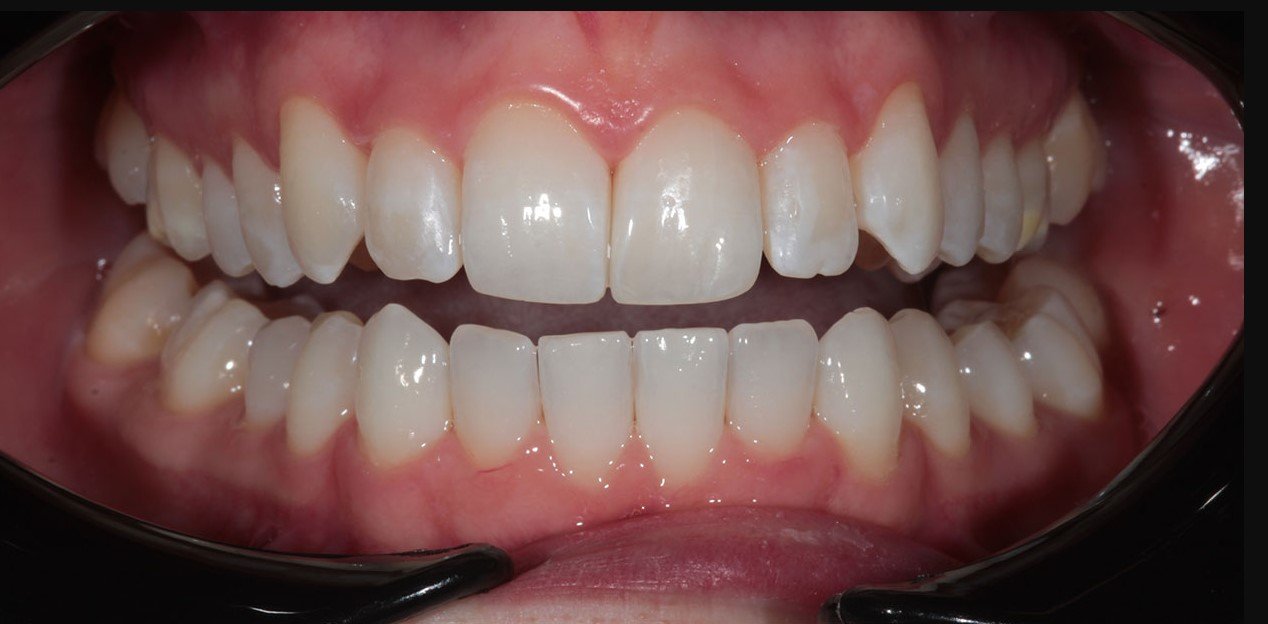
Many people searching for Composite Resin Bonding Sunbury are looking for information about cosmetic dental treatment options that may help address concerns relating to tooth appearance, minor chips, uneven edges, small gaps, or other aesthetic issues. Composite resin bonding is a commonly discussed cosmetic dentistry procedure that involves applying a tooth-coloured resin material to selected teeth and carefully shaping it to blend with the surrounding dentition.
In modern cosmetic dentistry Sunbury, composite resin bonding is often considered among several available treatment options. The suitability of any treatment depends on a comprehensive dental assessment, individual oral health circumstances, and treatment goals.
This detailed guide explains Composite Resin Bonding Sunbury, including how the procedure works, potential applications, benefits, limitations, maintenance requirements, consultation processes, and factors patients may wish to consider before proceeding with treatment.
Important Notice: This article provides general information only and does not replace personalised advice from a qualified dental practitioner. Treatment recommendations should always be based on an individual clinical assessment.
What Is Composite Resin Bonding?
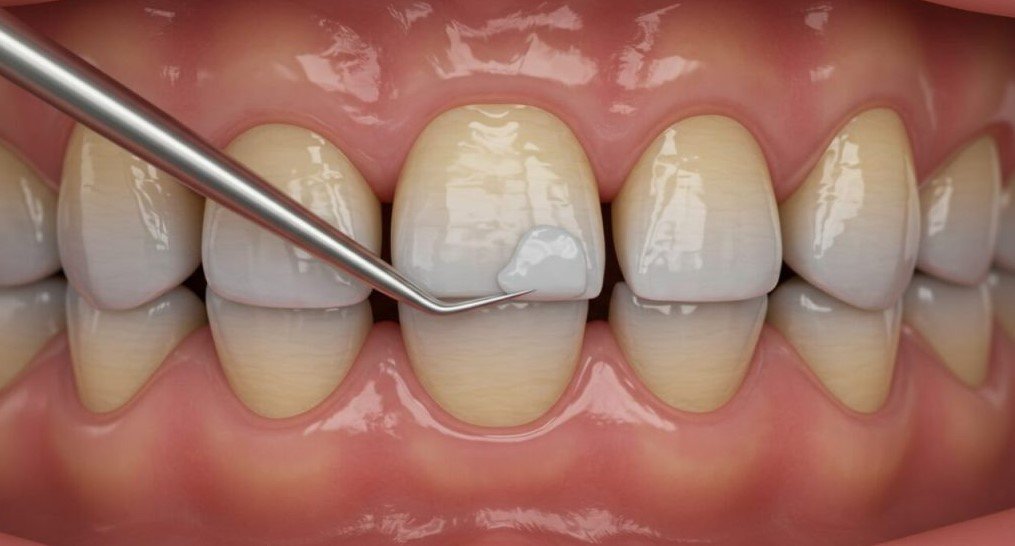
Composite Resin Bonding Sunbury refers to a dental procedure where a tooth-coloured composite resin material is applied to the surface of a tooth and shaped by a dental practitioner to achieve a desired clinical outcome.
The resin material is selected to closely match the natural appearance of surrounding teeth. Once placed, the material is hardened using a specialised curing light and then polished to create a smooth finish.
Composite bonding is generally considered a conservative dental treatment because, in some situations, minimal alteration of the natural tooth structure may be required.
Treatment suitability varies significantly between individuals.
Understanding Composite Resin Bonding Sunbury
When patients search for Composite Resin Bonding Sunbury, they are often exploring cosmetic dentistry options available within the Sunbury area.
A dental practitioner may discuss composite bonding when a patient presents with concerns such as:
- Minor tooth chips
- Small spaces between teeth
- Uneven tooth edges
- Tooth shape irregularities
- Worn tooth surfaces
- Cosmetic appearance concerns
However, not every patient will be a suitable candidate for composite bonding. Clinical examination and professional assessment remain essential.
How Composite Resin Bonding Works
Composite resin bonding involves several carefully planned stages.
The treatment process may include:
Initial Consultation
The practitioner assesses oral health and discusses the patient’s concerns and expectations.
Shade Selection
A shade of composite resin is selected to harmonise with surrounding teeth.
Tooth Preparation
Depending on the treatment requirements, limited preparation of the tooth surface may be performed.
Bonding Procedure
The composite material is applied incrementally and carefully shaped.
Curing Process
A curing light is used to harden the composite resin.
Finishing and Polishing
The bonded area is refined and polished to achieve a smooth appearance.
Each treatment plan is customised according to individual circumstances.
Materials Used in Composite Bonding
Modern composite resin materials are designed to provide durability while maintaining an appearance similar to natural tooth structure.
These materials may contain:
- Resin matrix components
- Glass filler particles
- Pigments for shade matching
- Bonding agents
Material selection depends on clinical requirements and practitioner preferences.
Common Reasons Patients Consider Composite Resin Bonding Sunbury
Patients often explore Composite Resin Bonding Sunbury for a variety of cosmetic and restorative reasons.
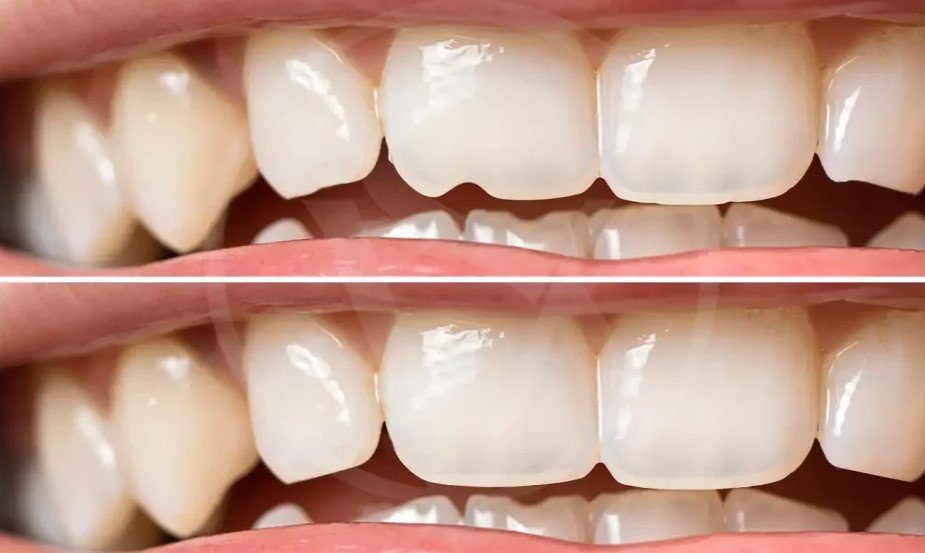
Chipped Tooth Repair Sunbury
Minor chips may affect the appearance of a tooth.
A dental practitioner may discuss composite bonding as one possible treatment option following assessment.
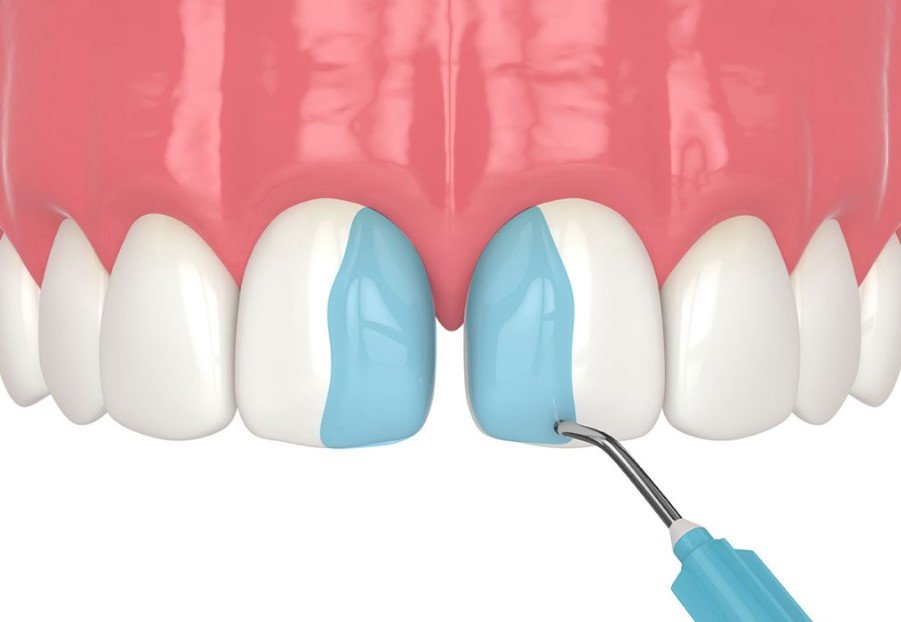
Small Gap Closure
Some individuals have small spaces between teeth.
Composite resin may be considered in selected situations to modify tooth contours.
Tooth Shape Enhancement
Certain teeth may appear irregular in shape or size.
Bonding treatment may be discussed where clinically appropriate.
Smile Enhancement Sunbury
Patients occasionally seek cosmetic dentistry services to discuss concerns regarding overall smile appearance.
Available treatment options vary according to individual circumstances.
Cosmetic Dental Consultation Process
A consultation is an important step before proceeding with treatment.
The process may include:
Discussion of Concerns
Patients can explain what aspects of their smile they would like assessed.
Oral Examination
A comprehensive assessment helps identify relevant clinical findings.
Treatment Options
The practitioner may discuss several possible treatment approaches.
Risks and Limitations
Potential limitations and maintenance requirements should be explained clearly.
Cost Information
Fee structures and treatment plans may be discussed.
Patients should feel comfortable asking questions before making decisions.
Clinical Assessment and Treatment Planning
Treatment planning for Composite Resin Bonding Sunbury is based on factors such as:
- Tooth condition
- Bite relationships
- Oral hygiene status
- Existing restorations
- Long-term maintenance considerations
- Patient goals
Each treatment plan should be tailored to the individual patient.
Composite Bonding for Front Teeth
Front teeth are commonly discussed during cosmetic consultations because they are highly visible when speaking and smiling.
Front tooth bonding may be considered for:
- Small chips
- Minor wear
- Shape modifications
- Surface irregularities
Suitability depends on professional assessment.
Composite Bonding vs Veneers
Patients frequently compare Composite Resin Bonding Sunbury with veneers.
Composite Bonding
Potential characteristics:
- Direct application
- Tooth-coloured resin
- Often completed in fewer appointments
Veneers
Potential characteristics:
- Laboratory-fabricated restorations
- Alternative material options
- Different preparation requirements
The most appropriate treatment depends on individual circumstances.
Composite Bonding vs Crowns
Crowns and composite bonding serve different purposes.
Factors influencing treatment recommendations include:
- Structural tooth condition
- Functional requirements
- Aesthetic goals
- Long-term maintenance considerations
Professional evaluation is necessary before determining suitability.
Potential Benefits
Potential benefits of composite resin bonding may include:
Conservative Approach
In some situations, limited tooth preparation may be required.
Natural Appearance
Composite materials can be selected to complement surrounding teeth.
Customised Shaping
The material can be carefully sculpted according to treatment objectives.
Single Appointment Possibility
Some cases may be completed during a single visit depending on complexity.
Individual outcomes vary.
Potential Limitations
Like all dental treatments, composite bonding has limitations.
Possible considerations may include:
- Wear over time
- Staining potential
- Maintenance requirements
- Repair needs
- Suitability restrictions
A qualified practitioner can explain these considerations in relation to a specific case.
Longevity and Maintenance
Patients often ask how long Composite Resin Bonding Sunbury may last.
Longevity depends on various factors, including:
- Oral hygiene habits
- Bite forces
- Lifestyle factors
- Dietary habits
- Regular dental maintenance
Because every patient is different, specific longevity cannot be guaranteed.
Oral Hygiene Recommendations
Maintaining good oral hygiene is important after composite bonding.
Recommendations commonly include:
- Brushing twice daily
- Daily flossing
- Regular dental check-ups
- Professional cleaning appointments
A dental practitioner may provide personalised advice.
Dietary Considerations
Patients may receive guidance regarding dietary habits that support oral health and maintenance of dental restorations.
Recommendations vary depending on individual circumstances.
Understanding Costs
The cost of Composite Resin Bonding Sunbury varies according to:
- Number of teeth involved
- Complexity of treatment
- Materials used
- Clinical requirements
- Follow-up appointments
Patients should obtain a detailed treatment plan and fee estimate before commencing treatment.
Frequently Asked Questions
What is Composite Resin Bonding Sunbury?
It is a cosmetic dental treatment involving the application of tooth-coloured composite resin material to selected teeth.
Is composite bonding suitable for everyone?
No. Suitability depends on oral health, tooth condition, and treatment goals.
Can composite bonding repair chipped teeth?
A practitioner may discuss composite bonding as one possible treatment option following assessment.
Does composite bonding require maintenance?
Yes. Maintenance requirements vary between individuals.
How long does composite bonding last?
Longevity depends on many factors and varies from patient to patient.
Final Thoughts
Composite Resin Bonding Sunbury is a commonly discussed cosmetic dentistry treatment that may be considered for selected concerns relating to tooth appearance, minor chips, spacing, and shape irregularities. Understanding the procedure, consultation process, maintenance requirements, and treatment limitations can help patients make informed decisions regarding their dental care.