I. Introduction
Dental checkups are an essential aspect of maintaining good oral health, consisting of routine evaluations and cleanings performed by dental professionals. These regular visits not only help in the prevention and early detection of dental issues but also play a significant role in an individual’s overall health. Many people underestimate the importance of these appointments, often considering them more of a luxury than a necessity. However, understanding the implications of neglecting dental checkups can steer individuals towards prioritizing their oral health.
This article delves into the various aspects of dental checkups, exploring their connection to overall health, the benefits they provide, and what one can expect during these visits. It will also address common barriers that prevent individuals from scheduling regular checkups and offer guidance on the recommended frequency of such appointments. By emphasizing the importance of maintaining oral health, we aim to encourage individuals to make dental checkups a regular part of their healthcare routine.
II. Connection Between Oral Health and Overall Health
A. The mouth as a gateway to the body
The mouth serves as the entry point to the body, making oral health crucial to overall health. Many studies have shown that poor oral hygiene can lead to systemic health issues, as bacteria in the mouth can enter the bloodstream and affect other organs. Conditions such as heart disease, diabetes, and respiratory infections have been linked to gum disease and other dental problems. This underlines the importance of keeping the mouth healthy through regular checkups and proper oral hygiene practices.
Furthermore, certain systemic conditions can also manifest in the mouth. For instance, diabetes can lead to gum disease, and conditions like HPV can result in oral cancers. Therefore, regular dental visits can serve as a vital preventive measure, allowing for early detection of potential systemic issues that may otherwise go unnoticed.
B. Common health issues linked to poor oral health
Neglecting oral health can have far-reaching consequences. Common health issues associated with poor oral hygiene include periodontal disease, which can lead to tooth loss and has been linked to increased risk of cardiovascular disease. Studies have shown that individuals with gum disease are more likely to suffer from heart attacks and strokes. Similarly, poor oral health is a contributing factor to diabetes complications, as infections and inflammation can impact blood glucose control.
Moreover, pregnant women with untreated gum disease are at a higher risk of preterm birth and low birth weight babies. This illustrates how maintaining oral health is not just an individual concern; it can impact familial and societal health as well. Engaging in preventive dental care through regular checkups is fundamental to mitigating these risks.
III. Benefits of Regular Dental Checkups
A. Early detection of dental problems
One of the most significant advantages of regular dental checkups is the ability to detect problems early. During these visits, dentists can identify issues such as cavities, gum disease, and other abnormalities that may not be visible to the untrained eye. Early detection can often lead to less invasive and more cost-effective treatments, reducing the need for more extensive procedures in the future.
For instance, catching a cavity in its initial stages may only require a simple filling, whereas delaying treatment can result in the need for root canals or extractions, which are more complex and costly. Regular checkups create an opportunity for preventative care, ensuring that minor issues do not escalate into major health concerns.
B. Prevention of serious health issues
Regular dental checkups play a pivotal role in the prevention of serious health issues. Beyond treating immediate dental concerns, these appointments serve as a platform for discussing lifestyle habits, dietary choices, and smoking cessation, all of which can have significant effects on oral health. Dentists can provide personalized advice and strategies to enhance oral health and reduce the risk of complications.
Moreover, oral screenings during checkups can help in the early identification of oral cancers. The earlier a potential issue is discovered, the better the prognosis is likely to be. Thus, regular dental visits are not merely about maintaining a bright smile; they are critical in promoting comprehensive health and wellness.
C. Maintenance of overall oral hygiene
Beyond disease prevention, regular dental checkups are essential for the maintenance of overall oral hygiene. Professional cleanings help remove plaque and tartar buildup that regular brushing and flossing may not eliminate effectively. This cleaning process is vital for keeping gums healthy and preventing gum disease.
Moreover, during these visits, dental professionals can offer tailored advice on oral hygiene practices. They can recommend appropriate brushing techniques, the best types of dental products, and dietary changes that can further enhance oral health. By fostering a consistent routine of oral care, individuals can maximize their long-term dental health outcomes.
IV. What to Expect During a Dental Checkup
A. Comprehensive dental examination
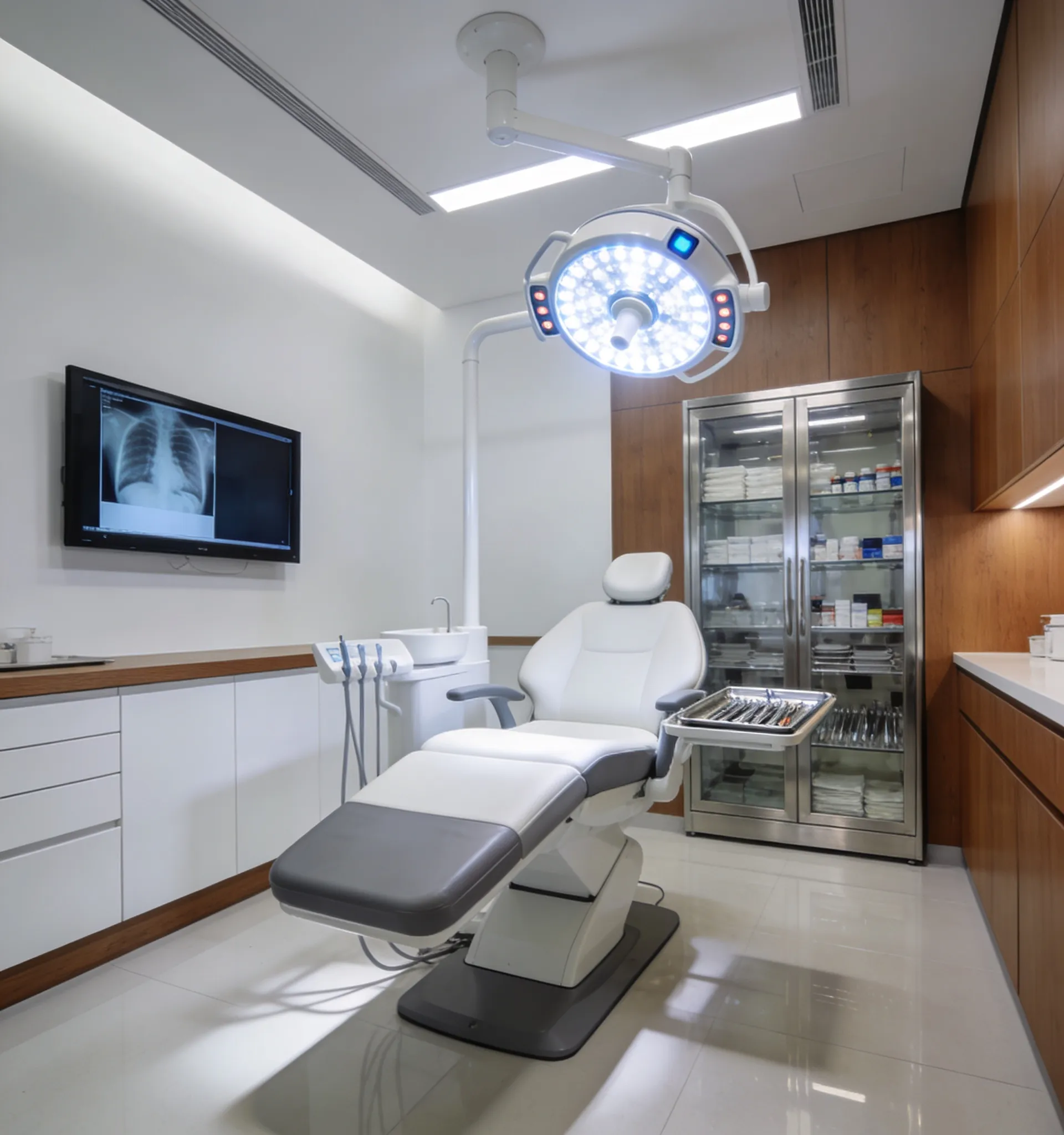
During a dental checkup, the dentist performs a thorough examination of the teeth, gums, and mouth. This evaluation typically includes checking for cavities, examining gum health, and looking for signs of oral cancer or other systemic health issues. The dentist may also use X-rays to gain a better understanding of the underlying structure of the teeth and jaw.
This comprehensive assessment not only helps in identifying existing problems but also serves as a baseline for monitoring changes in oral health over time. By keeping detailed records, dentists can track the progression of dental health, making it easier to spot trends or emerging issues.
B. Professional cleaning procedures
In addition to the examination, professional cleaning is a standard part of dental checkups. Dental hygienists will perform scaling to remove plaque and tartar, followed by polishing to leave the teeth smooth and free of surface stains. This cleaning process helps reduce the risk of cavities and gum disease by eliminating harmful bacteria.
After the cleaning, a fluoride treatment may be applied to strengthen the enamel and provide extra protection against decay. This preventive measure is particularly beneficial for those at higher risk of cavities, such as children and individuals with a history of dental issues.
C. Discussion of findings and treatment options
After the examination and cleaning, the dentist will discuss findings with the patient. This conversation is an opportunity for patients to ask questions, clarify concerns, and understand any necessary treatments. If issues are detected, the dentist will outline treatment options, explaining the pros and cons of each. This collaborative approach ensures that patients can make informed decisions regarding their dental care.
Additionally, dentists may provide recommendations for at-home care based on the findings of the exam. Tailoring advice to the individual needs of the patient can significantly improve oral health outcomes and reinforce the importance of maintaining routine checkups.
V. Recommended Frequency of Dental Checkups
A. General guidelines for adults
For most adults, it is generally recommended to schedule dental checkups every six months. This frequency allows for regular monitoring of oral health, ensuring that any potential issues can be addressed promptly. However, some individuals may require more frequent visits based on their unique dental health needs.
For example, those with a history of gum disease or other dental issues may need to see the dentist every three to four months to maintain optimal oral health. Conversely, individuals with excellent oral hygiene and no significant issues may be able to extend the time between visits, although annual checkups are usually still suggested.
B. Special considerations for children and seniors
Children should also begin visiting the dentist by their first birthday or within six months of getting their first tooth. Early dental visits are crucial for instilling good hygiene habits and monitoring the development of the teeth and jaw. As children grow, regular checkups every six months are typically sufficient, although more frequent visits may be necessary if orthodontic treatment is anticipated or if dental issues arise.
Seniors, on the other hand, may face unique challenges such as dry mouth, gum disease, and tooth loss, making regular dental visits even more critical. It is often recommended for seniors to have checkups every three to four months, ensuring that their oral health is closely monitored and maintained throughout aging.
VI. Overcoming Barriers to Regular Checkups
A. Common fears and misconceptions
Many individuals avoid visiting the dentist due to fears or misconceptions, which can often be unfounded. The fear of pain or discomfort during procedures is a common reluctance. However, advancements in dental technology, including local anesthesia and sedation options, have significantly reduced discomfort associated with dental treatments. Understanding that dental professionals aim to make procedures as painless as possible can help alleviate anxiety.
Additionally, some people believe that if they do not experience pain, they do not need to visit the dentist. This misconception can lead to the progression of hidden issues that could have been easily treated if caught early. Educating individuals about the importance of preventive care can encourage them to change their mindset regarding dental visits.
B. Financial considerations and insurance coverage
Financial constraints can also pose a barrier to regular dental checkups. Many individuals may avoid dental visits simply due to cost concerns. However, it is important to recognize that preventative care is often significantly less costly than treating advanced dental issues. Many insurance plans cover routine checkups and cleanings, which further emphasizes the importance of making use of such benefits.
For those without insurance, many dental offices offer payment plans or sliding scale fees based on income. Exploring these options can make dental care more accessible and manageable. Prioritizing dental health is crucial, as the cost of neglecting routine checkups can lead to more significant financial burdens in the long run.
VII. Conclusion
A. Recap of the importance of regular checkups
In conclusion, regular dental checkups are a vital component of maintaining both oral and overall health. These visits allow for early detection of dental problems, prevention of serious health issues, and the maintenance of good oral hygiene. Understanding the connection between oral health and systemic health can encourage individuals to prioritize their dental care.
B. Encouragement to prioritize dental health
By scheduling regular checkups, individuals can take proactive steps to safeguard their health. Overcoming fears, addressing financial concerns, and recognizing the value of preventive care can lead to healthier smiles and healthier lives. Investing in oral health is an investment in overall well-being, and making regular dental visits a priority is an essential part of that equation.
FAQs
1. How often should I visit the dentist for a checkup?
Most adults should schedule dental checkups every six months. However, individuals with specific dental needs may require more frequent visits.
2. What happens if I neglect dental checkups?
Neglecting dental checkups can lead to the progression of untreated dental problems, resulting in more serious issues such as gum disease, tooth loss, and systemic health problems.
3. Are dental checkups painful?
Most dental checkups are not painful. Advances in dental technology and anesthesia have greatly reduced discomfort during examinations and cleanings.
4. Do dental insurance plans cover checkups?
Many dental insurance plans cover routine checkups and cleanings, making them more affordable. It is advisable to check with your specific insurance provider for details.
5. What should I do if I have dental anxiety?
If you experience dental anxiety, communicate your concerns with your dentist. They can provide options to help ease your anxiety, such as sedation techniques or a more gradual approach to treatment.