
 Introduction
 Introduction
When people search for gum meaning, they are often looking to understand what gums are, why they are important, and how they affect overall oral health. Gums are much more than the soft pink tissue surrounding your teeth—they play a vital role in protecting your teeth, supporting your jawbone, and helping you maintain a healthy smile.
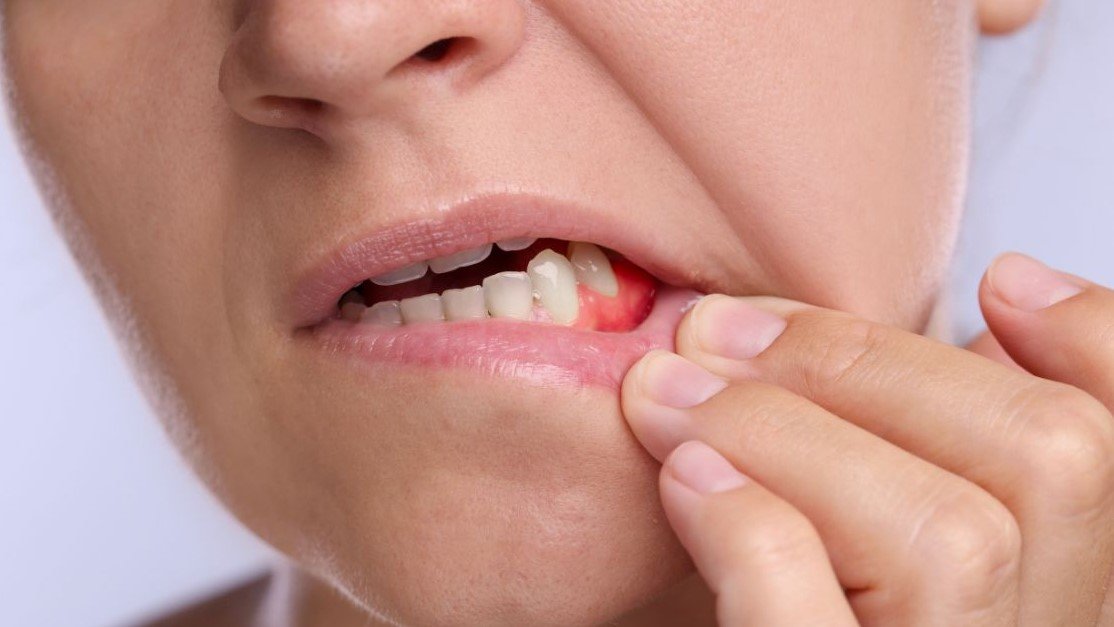
Healthy gums provide a strong foundation for your teeth. However, when gums become inflamed, infected, or damaged, they can lead to serious oral health problems such as gum disease, tooth loss, and even complications that may affect your overall health. Understanding the gum meaning in dentistry is the first step toward preventing these issues.
Whether you live in Melton, Victoria, or anywhere else in Australia, maintaining healthy gums should be a key part of your daily oral hygiene routine. Regular dental check-ups, proper brushing, flossing, and professional cleanings can help keep your gums healthy for years to come.
This comprehensive guide explains the gum meaning, the function of gums, common gum conditions, symptoms, causes, prevention tips, and why healthy gums are essential for a healthy smile.
What Is the Gum Meaning?
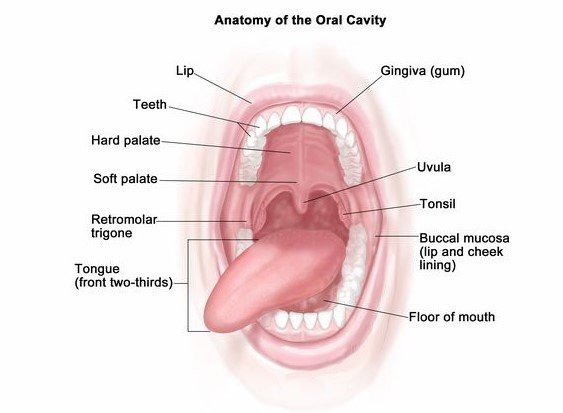
The gum meaning refers to the soft tissue, also known as the gingiva, that surrounds and supports your teeth. Gums cover the jawbone around the roots of your teeth, creating a protective seal that helps prevent bacteria from entering deeper tissues.
Healthy gums are an essential part of your mouth because they:
- Hold teeth securely in place.
- Protect tooth roots.
- Cover the underlying jawbone.
- Prevent harmful bacteria from reaching deeper tissues.
- Support comfortable chewing and speaking.
- Contribute to a healthy and attractive smile.
Without healthy gums, even strong teeth can become loose over time.
Understanding the Structure of Healthy Gums
To better understand the gum meaning, it helps to know how gums are structured.
Healthy gums consist of firm, resilient tissue that fits closely around each tooth. They form a protective barrier that reduces the risk of infection while supporting the surrounding bone.
The main parts include:
Free Gingiva
This is the portion of the gum that surrounds each tooth without being directly attached to it. It creates a small protective space around the tooth.
Attached Gingiva
The attached gingiva is firmly connected to the underlying jawbone, providing stability and strength.
Interdental Papilla
This is the triangular gum tissue located between adjacent teeth. Healthy interdental papillae fill the spaces between teeth and help prevent food particles from becoming trapped.
Understanding these structures helps explain why healthy gums are so important for maintaining long-term oral health.
Why Are Healthy Gums Important?
Many people focus only on their teeth, but healthy gums are equally important. The gum meaning extends beyond appearance because gums protect the supporting structures that keep your teeth stable.
Healthy gums help:
- Prevent tooth loss.
- Reduce the risk of infection.
- Support proper chewing.
- Protect the jawbone.
- Improve overall oral health.
- Enhance the appearance of your smile.
Ignoring gum health can allow bacteria to build up beneath the gumline, increasing the risk of inflammation and disease.
Characteristics of Healthy Gums
Understanding what healthy gums look and feel like is an important part of learning the gum meaning.
Healthy gums are usually:
- Light pink to coral pink (colour varies naturally).
- Firm and resilient.
- Smooth in texture with a slightly stippled appearance.
- Free from swelling.
- Free from bleeding during normal brushing or flossing.
- Comfortable without pain.
If your gums regularly bleed or appear swollen, it is advisable to arrange a dental examination.
Signs of Unhealthy Gums
Recognising early warning signs allows problems to be treated before they become more serious.
Common symptoms include:
- Bleeding while brushing.
- Swollen gums.
- Red or dark-coloured gums.
- Persistent bad breath.
- Gum tenderness.
- Gum recession.
- Loose teeth.
- Pus around the gums.
- Pain when chewing.
These symptoms may indicate gingivitis or more advanced gum disease.
What Causes Gum Problems?
The most common cause of gum disease is plaque—a sticky film of bacteria that forms naturally on teeth every day.
If plaque is not removed through brushing and flossing, it can harden into tartar. Tartar cannot be removed by brushing alone and usually requires professional dental cleaning.
Other factors that may increase the risk of gum problems include:
- Poor oral hygiene.
- Smoking or tobacco use.
- Diabetes.
- Hormonal changes.
- Certain medications.
- Dry mouth.
- Poor nutrition.
- Stress.
- Family history of gum disease.
- Infrequent dental check-ups.
Understanding these risk factors is an important part of appreciating the true gum meaning and protecting your oral health.
Common Gum Conditions
Several conditions can affect the gums. Some are mild and reversible, while others require more advanced treatment.
Gingivitis
Gingivitis is the earliest stage of gum disease.
It develops when plaque accumulates along the gumline, causing inflammation.
Common symptoms include:
- Red gums.
- Swollen gums.
- Bleeding during brushing.
- Mild discomfort.
The good news is that gingivitis can often be reversed with professional dental care and improved oral hygiene.
Periodontitis
If gingivitis is left untreated, it may progress to periodontitis.
Periodontitis affects not only the gums but also the bone supporting the teeth.
Symptoms may include:
- Gum recession.
- Deep gum pockets.
- Loose teeth.
- Persistent bad breath.
- Bone loss.
- Tooth mobility.
Early diagnosis greatly improves treatment outcomes.
Gum Recession
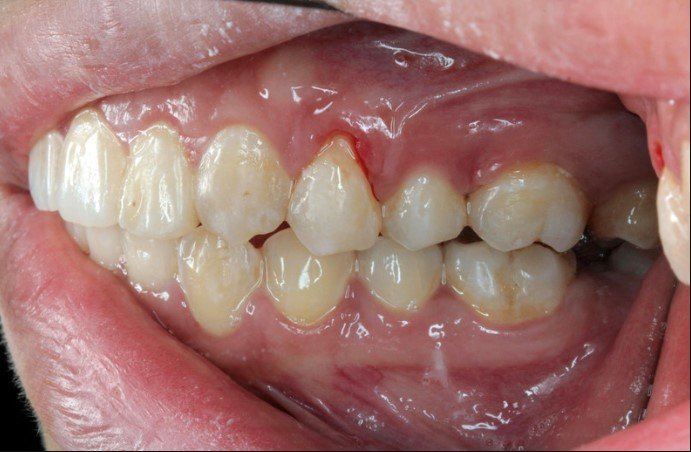
Gum recession occurs when the gum tissue gradually moves away from the teeth, exposing the roots.
This may happen because of:
- Gum disease.
- Aggressive brushing.
- Teeth grinding.
- Orthodontic issues.
- Ageing.
Receding gums can increase tooth sensitivity and raise the risk of root decay.
Why Bleeding Gums Should Never Be Ignored
Many people believe bleeding gums are normal, but they are often one of the earliest signs of gum disease.
Bleeding may occur due to:
- Plaque buildup.
- Gingivitis.
- Improper brushing technique.
- Hormonal changes.
- Vitamin deficiencies.
If bleeding continues for more than a few days, it is important to consult a dentist for an assessment.
Swollen Gums
Swollen gums are another common symptom of inflammation.
Possible causes include:
- Plaque accumulation.
- Gum infections.
- Food trapped between teeth.
- Poor oral hygiene.
- Dental abscesses.
Treatment depends on identifying and addressing the underlying cause.
The Link Between Gum Health and Overall Health
The gum meaning extends beyond your mouth because research has shown that oral health and general health are closely connected.
Healthy gums may contribute to better overall wellbeing by reducing chronic inflammation and supporting good oral function. Poor gum health has been associated with several systemic conditions, although the exact relationships are complex and continue to be studied.
Maintaining healthy gums through regular dental care, good oral hygiene, and routine check-ups is an important part of protecting both your oral and general health.
Gum Care for Families in Melton, Victoria
For families living in Melton, Victoria, maintaining healthy gums starts with preventive dental care. Regular dental examinations, professional teeth cleaning, and good oral hygiene habits can help prevent many common gum problems before they become serious.
Children should learn proper brushing and flossing techniques from an early age, while adults should schedule routine dental visits to monitor gum health. Older adults may also benefit from regular periodontal assessments, particularly if they have chronic health conditions or take medications that affect oral health.
By understanding the gum meaning and taking simple preventive steps, families in Melton can support lifelong oral health and reduce the risk of gum disease.
Gum Disease Treatment Options
Understanding the gum meaning also means knowing how gum problems are treated. The appropriate treatment depends on the severity of the condition, the amount of gum tissue affected, and your overall oral health. Early diagnosis usually leads to simpler and more effective treatment.
For patients in Melton, Victoria, regular dental check-ups can help identify gum disease before it progresses to a more advanced stage.
Professional Dental Cleaning
Professional teeth cleaning is one of the most effective ways to maintain healthy gums and prevent gum disease. During a routine cleaning, your dentist or dental hygienist removes plaque and tartar that cannot be eliminated by brushing or flossing alone.
Professional cleaning offers several benefits:
- Removes hardened tartar.
- Reduces plaque buildup.
- Helps prevent gingivitis.
- Freshens breath.
- Supports healthier gums.
- Improves overall oral hygiene.
Many people with early gum inflammation notice significant improvement after a professional cleaning combined with better home care.
Scaling and Root Planing
If gum disease has progressed below the gumline, your dentist may recommend scaling and root planing.
This non-surgical treatment involves:
- Removing plaque and tartar from beneath the gums.
- Smoothing the tooth roots.
- Reducing bacteria around the teeth.
- Helping gum tissue reattach to the tooth surface.
Scaling and root planing is commonly recommended for patients with early to moderate periodontal disease.
Gum Surgery
In advanced cases of gum disease, surgical treatment may be necessary to restore gum health and protect the supporting structures around the teeth.
Depending on your condition, treatment may include:
- Pocket reduction surgery.
- Gum grafting.
- Bone grafting.
- Regenerative procedures.
- Crown lengthening when clinically indicated.
Your dentist or periodontist will recommend the most appropriate treatment after a comprehensive examination.
Medications for Gum Infections
In some situations, medications may be prescribed to help control bacterial infections affecting the gums.
These may include:
- Antibacterial mouth rinses.
- Antibiotic gels.
- Oral antibiotics when clinically appropriate.
Medications are usually combined with professional dental treatment rather than used as a replacement for cleaning or periodontal therapy.
Daily Oral Hygiene for Healthy Gums
One of the best ways to protect your gums is by maintaining excellent oral hygiene every day. Healthy habits significantly reduce plaque buildup and lower the risk of gum disease.
A good daily routine should include:
- Brushing twice a day with fluoride toothpaste.
- Cleaning between teeth using floss or interdental brushes.
- Cleaning your tongue.
- Replacing your toothbrush regularly.
- Drinking plenty of water.
- Visiting your dentist for regular check-ups.
These simple habits can make a significant difference in maintaining healthy gums throughout life.
Foods That Support Healthy Gums
Nutrition plays an important role in maintaining healthy gum tissue. Eating a balanced diet provides essential vitamins and minerals that help keep your gums strong.
Foods that support gum health include:
Leafy Green Vegetables
Spinach, kale, and broccoli contain vitamins and antioxidants that support healthy tissues.
Dairy Products
Milk, cheese, and yoghurt provide calcium and phosphorus, which contribute to healthy teeth and bones.
Fresh Fruits
Fruits such as oranges, strawberries, and kiwi are rich in vitamin C, an important nutrient for healthy gums.
Lean Protein
Fish, chicken, eggs, and legumes provide protein needed for tissue repair and healing.
Nuts and Seeds
These foods supply healthy fats, minerals, and nutrients that support overall oral health.
Foods and Habits That May Harm Your Gums
Some dietary and lifestyle habits can increase the risk of gum disease.
Try to limit:
- Sugary snacks.
- Sugary drinks.
- Frequent acidic beverages.
- Tobacco products.
- Excessive alcohol consumption.
- Poor oral hygiene habits.
Reducing these risk factors helps protect both your gums and your teeth.
Can Gum Disease Be Prevented?
In many cases, yes. Preventive dental care is the best way to avoid gum disease and maintain long-term oral health.
Preventive measures include:
- Regular dental examinations.
- Professional teeth cleaning.
- Daily brushing.
- Daily flossing.
- Healthy eating.
- Avoiding tobacco.
- Managing medical conditions such as diabetes.
- Following your dentist’s recommendations.
Early prevention is usually easier and less costly than treating advanced gum disease.
Gum Health During Different Life Stages
The gum meaning remains important throughout every stage of life, but gum care needs can vary with age.
Children
Healthy gums support the proper development of baby teeth and permanent teeth. Teaching children good brushing habits early helps establish lifelong oral hygiene practices.
Teenagers
Hormonal changes during adolescence may make gums more sensitive to plaque. Regular brushing, flossing, and dental visits are particularly important during these years.
Adults
Busy lifestyles can sometimes lead to neglected oral hygiene. Regular dental check-ups and preventive care help reduce the risk of gum disease and tooth loss.
Older Adults
As people age, gum recession and dry mouth may become more common. Older adults should continue attending routine dental appointments to monitor gum health and address any concerns promptly.
When Should You Visit a Dentist?
Do not wait until severe pain develops before seeking professional care. Early treatment often prevents more serious problems.
You should schedule a dental appointment if you notice:
- Bleeding gums.
- Persistent bad breath.
- Swollen or red gums.
- Loose teeth.
- Gum recession.
- Tooth sensitivity near the gumline.
- Pain while chewing.
- Pus around the gums.
Prompt treatment can help protect your gums and preserve your natural teeth.
Gum Care Tips for Families in Melton, Victoria
Families in Melton, Victoria, can reduce the risk of gum disease by making preventive dental care a regular part of their healthcare routine.
Helpful habits include:
- Scheduling routine dental check-ups every six to twelve months.
- Encouraging children to brush and floss daily.
- Replacing toothbrushes every three months or sooner if the bristles become worn.
- Drinking fluoridated water where available.
- Wearing a mouthguard during contact sports.
- Seeking professional advice if any signs of gum disease develop.
Local dental practices in Melton provide preventive services that help patients maintain healthy gums and reduce the need for complex treatments in the future.
The Importance of Regular Dental Check-Ups
Routine dental examinations are one of the most effective ways to protect your gum health. During a check-up, your dentist can identify early signs of gingivitis, gum recession, or periodontal disease before symptoms become severe.
Professional care may include:
- Comprehensive oral examination.
- Gum health assessment.
- Measurement of gum pockets when required.
- Professional cleaning.
- Oral hygiene advice tailored to your needs.
- Recommendations for ongoing preventive care.
Regular visits not only support healthier gums but also contribute to better overall oral health.
Why Understanding the Gum Meaning Matters
Knowing the gum meaning is about more than understanding a definition. It involves recognising the essential role gums play in protecting your teeth, supporting your jawbone, and maintaining a healthy smile.
Healthy gums are the foundation of good oral health. By practising proper oral hygiene, eating a balanced diet, attending regular dental appointments, and seeking treatment when problems arise, you can reduce the risk of gum disease and enjoy strong, healthy gums for years to come.
Frequently Asked Questions (FAQs) About Gum Meaning
What is the gum meaning in dentistry?
The gum meaning in dentistry refers to the soft tissue, known as the gingiva, that surrounds and supports your teeth. Healthy gums protect the tooth roots, cover the jawbone, and help prevent bacteria from entering deeper tissues.
Why are healthy gums important?
Healthy gums provide a strong foundation for your teeth. They help keep teeth stable, reduce the risk of infection, protect the jawbone, and support comfortable chewing, speaking, and smiling.
What are the first signs of gum disease?
Early signs of gum disease may include:
- Bleeding while brushing or flossing
- Red or swollen gums
- Persistent bad breath
- Tender gums
- Mild gum discomfort
Early treatment can often prevent the condition from progressing.
What causes bleeding gums?
Bleeding gums are commonly caused by plaque buildup along the gumline. Other possible causes include poor oral hygiene, gingivitis, certain medications, hormonal changes, vitamin deficiencies, or underlying medical conditions.
Can gum disease be cured?
Early-stage gum disease (gingivitis) can often be reversed with professional dental cleaning and improved oral hygiene. More advanced gum disease (periodontitis) can usually be managed with ongoing treatment, but it may not be completely reversible.
How can I keep my gums healthy?
You can maintain healthy gums by:
- Brushing twice a day with fluoride toothpaste.
- Flossing daily.
- Eating a balanced diet.
- Avoiding tobacco products.
- Visiting your dentist regularly.
- Having professional dental cleanings as recommended.
Can gum disease cause tooth loss?
Yes. If gum disease is left untreated, it can damage the tissues and bone supporting your teeth. Over time, this may cause teeth to become loose and eventually fall out or require extraction.
How often should I have my gums checked?
Most people should have a dental examination every six to twelve months. Your dentist may recommend more frequent visits if you have gum disease or are at a higher risk of developing oral health problems.
Does gum health affect overall health?
Yes. Healthy gums contribute to good oral health, and research suggests there are links between gum disease and certain general health conditions. Maintaining healthy gums is an important part of supporting overall well-being.
When should I see a dentist for gum problems?
You should arrange a dental appointment if you notice:
- Bleeding gums
- Swollen or painful gums
- Persistent bad breath
- Gum recession
- Loose teeth
- Pus around the gums
- Pain while chewing
Early diagnosis and treatment can help prevent more serious dental problems.
Final Thoughts
Understanding the gum meaning is the first step toward protecting your oral health. Your gums do much more than surround your teeth—they provide essential support, protect the tooth roots, and help keep your smile healthy for life. When your gums are healthy, they create a strong foundation that allows your teeth to function properly and comfortably.
Ignoring gum health can lead to problems such as gingivitis, periodontitis, gum recession, and even tooth loss. Fortunately, many gum conditions are preventable through good oral hygiene, a healthy diet, regular professional cleanings, and routine dental check-ups.
Whether you live in Melton, Victoria, or anywhere else in Australia, taking care of your gums should be part of your everyday health routine. Brushing twice daily, flossing, attending regular dental appointments, and seeking treatment as soon as you notice symptoms can help maintain healthy gums and reduce the risk of serious dental problems.
By understanding the gum meaning and following preventive dental care practices, you can protect your smile, improve your oral health, and enjoy greater confidence for years to come.