If a chipped tooth, small gap, or uneven edges has been bothering you, composite bonding in Sunbury may be worth exploring. At Sunbury Dental Group, our dentists use tooth-coloured composite resin to gently reshape or repair teeth — often in a single visit, with minimal removal of tooth structure. It’s one of the more accessible options in cosmetic dentistry, and it may suit a wide range of concerns.

Composite Bonding Services in Sunbury: Professional Smile Restoration

Composite Bonding in Sunbury — A Simple Way to Refresh Your Smile
What Is Composite Bonding?
Composite bonding — also known as dental bonding or composite resin bonding — involves applying a tooth-coloured resin material directly to the surface of a tooth. The resin is carefully shaped and polished to blend naturally with the surrounding teeth.
Unlike porcelain veneers, which are crafted in a dental laboratory and typically require the removal of a thin layer of enamel, composite bonding is usually completed chairside in a single appointment. Treatment suitability is assessed individually based on your dental health, bite, and aesthetic goals.
What Can Composite Bonding Help Address?
Composite bonding may be a suitable option for patients looking to address:
- Chipped or fractured teeth
- Minor gaps between teeth (diastema)
- Slightly discoloured or stained teeth
- Irregular or uneven tooth edges
- Teeth that appear shorter than desired
- Minor asymmetry in tooth shape
Results vary depending on individual circumstances. Your dentist will discuss what may be achievable during your consultation.


What Can Composite Bonding Help Address?
Composite bonding may be a suitable option for patients looking to address:
- Chipped or fractured teeth
- Minor gaps between teeth (diastema)
- Slightly discoloured or stained teeth
- Irregular or uneven tooth edges
- Teeth that appear shorter than desired
- Minor asymmetry in tooth shape
Results vary depending on individual circumstances. Your dentist will discuss what may be achievable during your consultation.
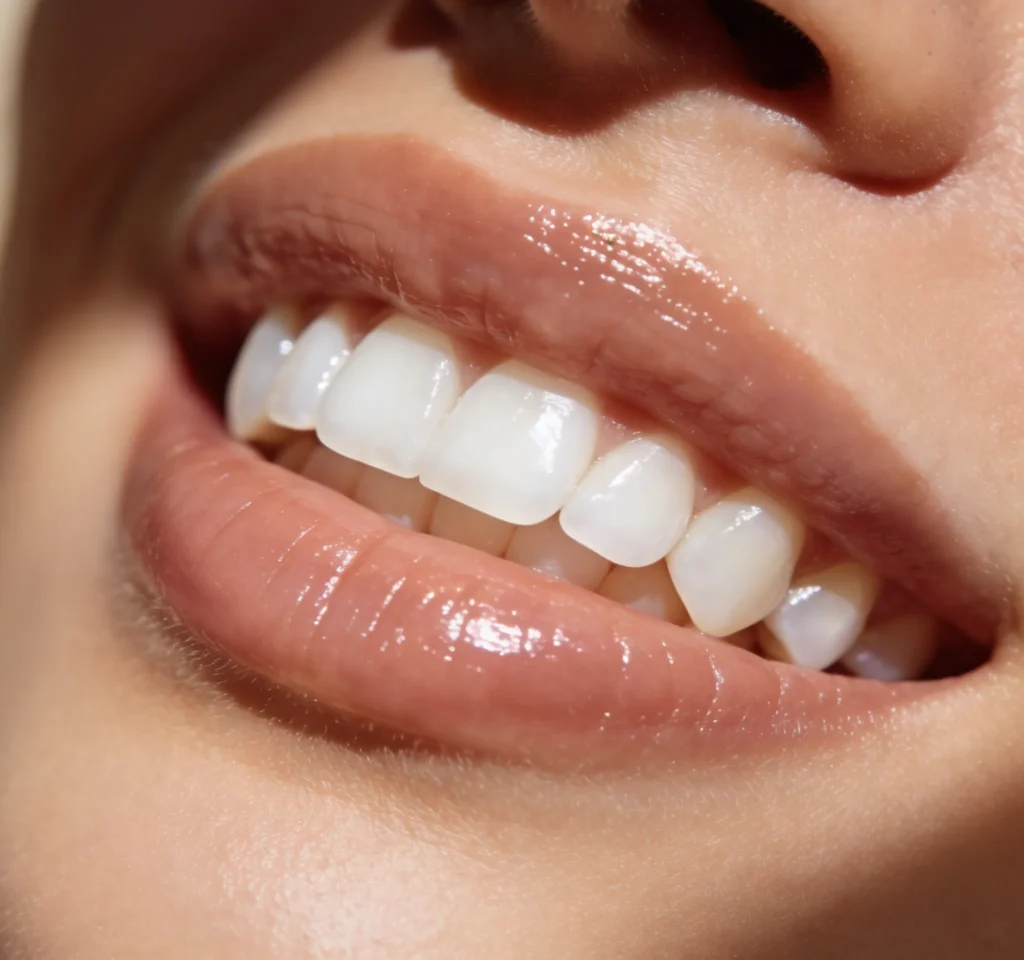
What Happens During a Composite Bonding Appointment
A composite bonding appointment at Sunbury Dental Group typically involves the following steps:
- Consultation and assessment — Your dentist will examine your teeth, listen to your concerns, and advise whether composite bonding is an appropriate option for your situation.
- Tooth preparation — The tooth surface is lightly conditioned to help the resin adhere effectively. In most cases, little to no enamel removal is required.
- Resin application — Composite resin is applied in layers and carefully shaped to achieve a natural appearance.
- Curing and polishing — Each layer is set using a curing light, then the tooth is polished to a smooth, natural-looking finish.
Most appointments are completed in one visit, though more complex cases may require additional time.
Composite Bonding vs Porcelain Veneers — Which May Be Right for You?
Both composite bonding and porcelain veneers are cosmetic treatment options, but they differ in several meaningful ways:
| Composite Bonding | Porcelain Veneers | |
| Material | Composite resin | Porcelain |
| Visits typically needed | 1 | 2–3 |
| Enamel removal | Minimal or none | Thin layer removed |
| Longevity* | Several years with appropriate care | Generally longer-lasting with care |
| Cost | Generally lower | Generally higher |
Individual longevity varies based on oral hygiene habits, diet, and bite factors.
If you’re weighing up your options, a consultation with our team can help clarify which treatment aligns with your dental health and expectations. (See our Porcelain Veneers page for a more detailed comparison.)

Composite Bonding vs Porcelain Veneers — Which May Be Right for You?
Both composite bonding and porcelain veneers are cosmetic treatment options, but they differ in several meaningful ways:
| Composite Bonding | Porcelain Veneers | |
| Material | Composite resin | Porcelain |
| Visits typically needed | 1 | 2–3 |
| Enamel removal | Minimal or none | Thin layer removed |
| Longevity* | Several years with appropriate care | Generally longer-lasting with care |
| Cost | Generally lower | Generally higher |
Individual longevity varies based on oral hygiene habits, diet, and bite factors.
If you’re weighing up your options, a consultation with our team can help clarify which treatment aligns with your dental health and expectations. (See our Porcelain Veneers page for a more detailed comparison.)

How to Care for Your Bonded Teeth
With appropriate care, composite bonding can remain in good condition for several years. To help maintain your results:
Brush and floss regularly using a non-abrasive toothpaste
Avoid biting hard objects such as ice, pens, or fingernails
Limit foods and drinks that may stain resin, such as coffee, red wine, and curry
Attend regular dental check-ups and professional cleans
Let your dentist know if you grind your teeth at night
Your dentist will provide specific care recommendations relevant to your treatment.
Book a Composite Consultation in Sunbury
Sunbury Dental Group is located at Unit 5/92 Evans Street, Sunbury VIC 3429, and welcomes patients from Sunbury and the surrounding areas including
Sunbury | Bulla | Clarkefield | Hillside | Taylors Lakes |Sydenham | Kurunjang | Mickleham | Aiport | Melton | Aintree | Greenvale | Delahey | Keilor | Kings Park | Gladstone Park | Saint Albans | Brookfield | Burnside |Tullamarine
F.A.Q
The procedure is generally well-tolerated. In many cases, no anaesthetic is required, though your dentist will ensure you’re comfortable throughout.
Longevity depends on the location of the bonding, your bite, and how well your teeth are maintained. Your dentist can give you a more personalised indication during your consultation.
Suitability varies from patient to patient. A thorough assessment is needed to determine whether composite bonding — or an alternative treatment — is the most appropriate option for your situation.
Yes. One practical advantage of composite resin is that it can be repaired or adjusted more readily than porcelain alternatives if needed.