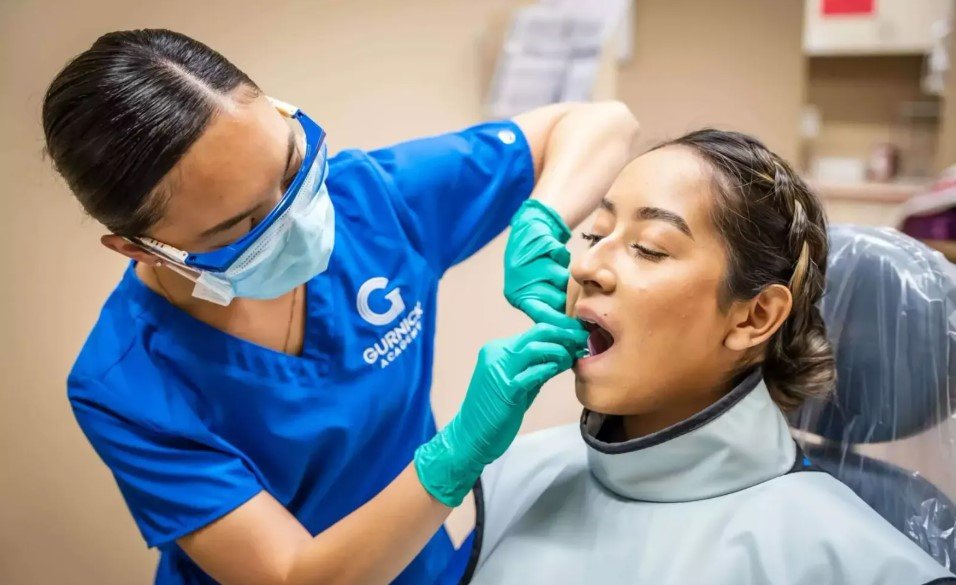
Dental Assistant Starting Pay: What New Dental Assistants Can Expect to Earn
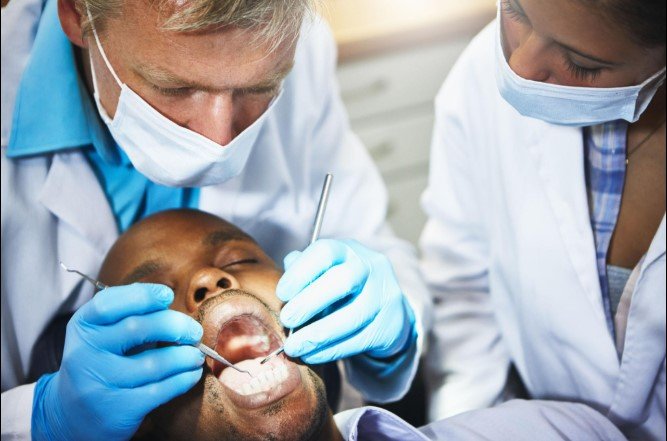
Starting a career as a dental assistant can be an exciting step into the healthcare industry. One of the most common questions asked by aspiring professionals is about dental assistant starting pay. Understanding entry-level salaries can help you make informed career decisions and set realistic expectations for your future.
Dental assistants play an important role in supporting dentists, helping patients feel comfortable, preparing treatment rooms, managing records, and assisting during procedures. As demand for dental services continues to grow, many employers are actively seeking skilled dental assistants.
What Is the Average Dental Assistant Starting Pay?
The average dental assistant starting pay varies depending on location, education, certification, and employer type. Entry-level dental assistants typically earn less than experienced professionals, but salaries often increase as skills and experience grow.
New dental assistants generally receive competitive wages compared to many other entry-level healthcare careers. In metropolitan areas and regions with higher living costs, starting salaries are often higher.
Average Entry-Level Dental Assistant Salary
| Experience Level | Estimated Annual Salary |
| Entry Level (0–1 Year) | $32,000–$45,000 |
| Junior Dental Assistant | $38,000–$50,000 |
| Certified Dental Assistant | $42,000–$58,000 |
| Experienced Assistant | $50,000–$70,000+ |
These figures vary by country, state, and local job market conditions.

Factors That Affect Dental Assistant Starting Pay
Several factors influence how much a new dental assistant can earn.
1. Geographic Location
Location is one of the biggest salary factors. Urban areas generally offer higher wages than rural communities due to increased demand and higher living expenses.
2. Education and Training
Candidates who complete accredited dental assisting programs often have better employment opportunities and may qualify for higher starting wages.
3. Professional Certification
Employers frequently value certifications because they demonstrate competence and commitment to the profession.
4. Type of Dental Practice
Different workplaces may offer different compensation levels:
- General dentistry practices
- Orthodontic clinics
- Oral surgery offices
- Pediatric dental clinics
- Cosmetic dentistry centers
- Specialty dental practices
Specialized practices may offer higher pay due to advanced responsibilities.
5. Additional Skills
Dental assistants with experience in:
- Digital imaging
- Dental software systems
- Patient communication
- Insurance processing
- Sterilization protocols
may be more attractive to employers and potentially earn higher starting salaries.
Why Dental Assisting Is a Growing Career
The dental industry continues to expand as more people seek preventive and cosmetic dental care. This growth creates opportunities for qualified dental assistants.
Benefits of becoming a dental assistant include:
- Fast career entry
- Stable employment opportunities
- Healthcare work environment
- Career advancement potential
- Valuable patient interaction
- Transferable healthcare skills
Dental Assistant Starting Pay by Workplace

Private Dental Practice
Private clinics employ a large percentage of dental assistants. Entry-level positions often provide valuable hands-on experience.
Orthodontic Offices
Orthodontic assistants may receive additional training and can sometimes earn higher wages due to specialized responsibilities.
Oral Surgery Clinics
These practices often require advanced assisting skills and may offer competitive compensation.
Pediatric Dentistry
Working with children requires strong communication and patient-management skills, which may increase career opportunities.
Benefits Beyond Salary
When evaluating dental assistant starting pay, it is important to consider total compensation.
Many employers offer:
- Health insurance
- Paid vacation
- Retirement plans
- Continuing education support
- Professional development opportunities
- Performance bonuses
These benefits can significantly increase overall compensation.
How to Increase Your Dental Assistant Salary
If you are beginning your career, there are several ways to improve your earning potential.
Earn Professional Certifications
Additional credentials can help demonstrate expertise and improve job prospects.
Continue Your Education
Advanced training can open doors to higher-paying opportunities.
Develop Specialized Skills
Learning advanced procedures, dental technologies, and patient management techniques can increase your value to employers.
Gain Experience
Experience remains one of the strongest factors affecting long-term earning potential.
Career Advancement Opportunities
Dental assistants may advance into roles such as:
- Lead Dental Assistant
- Orthodontic Assistant
- Oral Surgery Assistant
- Dental Office Manager
- Treatment Coordinator
- Dental Hygiene Programs
- Healthcare Administration Roles
These pathways can lead to higher salaries and increased responsibilities.
Is Dental Assisting Worth It?
For many individuals, dental assisting offers a strong balance of career stability, professional growth, and patient interaction. While dental assistant starting pay may begin at entry-level rates, opportunities for advancement and salary growth make it an attractive healthcare career.
The profession allows individuals to enter healthcare relatively quickly while developing valuable skills that can support long-term career success.
Conclusion
Understanding dental assistant starting pay helps aspiring professionals make informed decisions about entering the field. While salaries vary based on location, experience, certifications, and employer type, dental assisting continues to be a rewarding and growing profession.
By investing in education, obtaining certifications, and gaining practical experience, new dental assistants can improve their earning potential and build successful careers in the dental industry.
Frequently Asked Questions
What is the average dental assistant starting pay?
Entry-level dental assistants commonly earn between $32,000 and $45,000 annually, depending on location and qualifications.
Does certification increase dental assistant pay?
Certification may improve employment opportunities and increase earning potential.
Which dental assistants earn the highest salaries?
Dental assistants working in specialized practices such as oral surgery or orthodontics often earn higher wages.
Can dental assistant salaries increase over time?
Yes. Experience, certifications, and advanced skills can contribute to salary growth.
Is dental assisting a good career choice?
Many people find dental assisting rewarding due to job stability, career growth opportunities, and meaningful patient interaction.