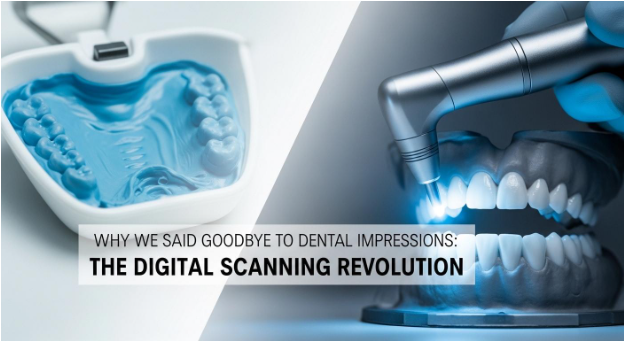
For many people, the most uncomfortable part of visiting the dentist was never the drill. It was the dental impression. The bulky trays, the thick material, the gag reflex, and the long wait while everything set made impressions an experience most patients dreaded. Over the years, dentistry has evolved rapidly, and one of the biggest changes has been the move away from traditional impressions toward digital scanning.
Today, digital dental scanners are transforming how dentists diagnose, plan, and deliver treatment. This shift is not just about comfort. It is about accuracy, speed, safety, and better results for patients in both routine and emergency care.
What once took messy trays and guesswork is now done in minutes with precision driven digital technology.
Why How Digital Scanning Replaced Dental Impressions Is Changing Dentistry
- Digital scanning replaces messy dental impressions
- Improved comfort and accuracy for patients
- Faster treatment and better communication
- Ideal for routine and emergency dental care
- Supports long term oral health outcomes
Overview
Digital dental scanning replaces traditional impression materials with advanced imaging technology that captures detailed three dimensional images of your teeth and gums. This revolution has changed everything from crowns and aligners to implants and emergency dentistry. For patients, it means less discomfort and faster treatment. For dentists, it means greater accuracy and efficiency. Even in urgent situations, such as when patients search for dentist emergency 24 hours near me, digital scanning helps deliver quicker and more reliable care.
The Problem With Traditional Dental Impressions
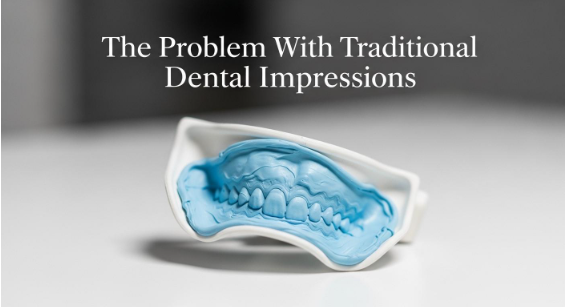
Traditional dental impressions relied on physical materials placed into trays and inserted into the mouth. Patients had to sit still while the material hardened, often triggering gagging or discomfort.
Impressions could also distort due to movement, temperature, or timing. Small errors sometimes meant the impression had to be retaken, increasing appointment time and frustration.
From a clinical perspective, traditional impressions required shipping to dental labs, which added delays. Any inaccuracies discovered later meant repeating the process. These limitations made impressions one of the least liked parts of dental care for both patients and dentists.
What Is Digital Dental Scanning
Digital dental scanning uses advanced intraoral scanners to capture thousands of images per second. These images are stitched together to create a highly detailed three dimensional model of your mouth.
The scanner is a small handheld device that moves comfortably around the teeth and gums. There are no trays, no setting time, and no unpleasant materials.
The digital model appears instantly on a screen, allowing dentists to review accuracy in real time. If an area needs more detail, it can be scanned immediately without starting over.
Improved Comfort for Patients
One of the biggest reasons dentistry has moved away from impressions is patient comfort. Digital scanning eliminates the gag reflex issues caused by traditional trays.
Patients can breathe normally, swallow comfortably, and take breaks if needed. The scanning process is quick and non invasive, making it ideal for children, older adults, and patients with dental anxiety.
This comfort is especially valuable during emergency visits when patients are already stressed or in pain. When someone is urgently looking for dentist emergency 24 hours near me, the last thing they want is a difficult impression process.
Greater Accuracy and Precision
Digital scans are far more accurate than traditional impressions. They capture fine details of tooth shape, bite alignment, and gum contours with exceptional precision.
This accuracy leads to better fitting crowns, bridges, aligners, and dentures. A precise fit reduces discomfort, improves function, and extends the lifespan of restorations.
For dentists, digital scans reduce guesswork. The ability to zoom in, rotate, and analyze the model ensures treatment planning is based on reliable data rather than estimations.
Faster Turnaround Times
Traditional impressions required physical shipping to dental labs. Digital scans are sent instantly, reducing turnaround time significantly.
Crowns, veneers, and other restorations can be designed and manufactured faster. In some cases, same day dentistry becomes possible.
Speed is especially important in emergency cases. Digital scanning allows dentists to assess damage quickly and create temporary or permanent solutions without unnecessary delays.
Better Communication and Visualization
Digital scanning improves communication between dentists, labs, and patients. Patients can see their own dental structures on screen, making treatment explanations clearer and more engaging.
Seeing cracks, wear, or alignment issues helps patients understand why treatment is needed. This transparency builds trust and confidence.
For dental labs, digital files eliminate errors caused by shipping damage or distortion. The result is a smoother workflow and more predictable outcomes.
“Digital scanning has turned dental impressions from a dreaded step into one of the most efficient parts of modern dentistry.”
The Role of Digital Scanning in Emergency Dentistry
In emergency situations, time and accuracy matter. Digital scanners allow dentists to assess trauma, fractures, and bite changes quickly.
When patients search for a dentist emergency 24 hours near me, they often need fast diagnosis and immediate stabilization. Digital scans help identify the extent of damage and guide urgent treatment decisions.
Temporary crowns, splints, or restorations can be created more efficiently, reducing pain and preventing further complications.
Digital Scanning for Aligners and Orthodontics
Clear aligner treatments rely heavily on digital technology. Digital scans create precise models used to design aligners that gradually move teeth into place.
Compared to traditional impressions, digital scans ensure better tracking and more predictable results. Patients benefit from improved comfort and shorter appointment times.
This technology has made orthodontic treatment more accessible and appealing to adults who value convenience and aesthetics.
Enhanced Infection Control and Safety
Digital scanning improves hygiene by reducing cross contamination risks. Traditional impression trays and materials required extensive cleaning and handling.
With digital scanners, there are fewer physical materials involved. Scanner tips are easily sterilized, and digital files replace physical molds.
This focus on safety is especially important in healthcare settings where infection control remains a top priority.
Environmental Benefits of Going Digital
Moving away from traditional impressions also has environmental advantages. Digital scanning reduces waste from impression materials, trays, and packaging.
Less shipping means a smaller carbon footprint. Over time, these changes contribute to more sustainable dental practices.
While patient care is the primary goal, the environmental impact of digital dentistry is an added benefit that aligns with modern healthcare values.
Are There Any Limitations to Digital Scanning
While digital scanning offers many advantages, it may not be suitable for every situation. Certain cases with excessive bleeding or limited access can be challenging to scan.
However, advancements in scanner technology continue to improve performance in complex cases. For most routine and emergency treatments, digital scanning is now the preferred option.
Dentists are trained to choose the best approach based on individual patient needs, ensuring optimal results.
How Digital Scanning Improves Long Term Outcomes
Accurate digital records allow dentists to track changes over time. Previous scans can be compared with new ones to monitor wear, movement, or disease progression.
This long term data supports preventive care and early intervention. Patients benefit from more personalized and proactive treatment planning.
Better outcomes mean fewer complications, reduced costs, and improved overall oral health.
Conclusion
The move away from traditional dental impressions marks a major milestone in modern dentistry. Digital scanning has transformed patient comfort, clinical accuracy, and treatment efficiency across all areas of care.
From routine checkups to urgent cases where patients search for a dentist emergency 24 hours near me, digital technology supports faster, safer, and more predictable outcomes. Saying goodbye dental impressions is not just a technological upgrade. It is a commitment to better care, better experiences, and better smiles for the future.
Disclaimer:
The information provided in this blog is for general informational purposes only and should not be interpreted as professional dental advice. Every dental situation is unique, and individual circumstances can vary significantly. Patients should not rely solely on the content provided here to make decisions about their oral health. For personalized assessment, diagnosis, and treatment, you should consult a qualified dentist or healthcare professional. Sunbury Dental Group accepts no responsibility for any loss, damage, or actions taken based on the information contained in this blog.
Related FAQ's
Is digital dental scanning safe?
Yes. Digital scanners use optical technology and do not expose patients to radiation.
Does digital scanning replace X rays?
No. Digital scans and X rays serve different purposes and are often used together for complete diagnosis.
Is digital scanning more expensive?
Costs are usually comparable, and the improved accuracy often reduces the need for remakes or additional appointments.
Can digital scanning be used in emergencies?
Yes. Digital scanning is highly effective in emergency situations and supports faster diagnosis and treatment.
Is digital scanning suitable for children?
Yes. The comfort and speed of digital scanning make it ideal for children and anxious patients.