Introduction
In a world oversaturated with marketing claims about children’s snacks, discerning what constitutes a truly tooth-safe option can be a challenge for parents. This article aims to shed light on the relationship between diet and dental health, provide insights into misleading snack labels, and offer a curated list of tooth safe snacks for kids that genuinely promote dental safety. By understanding how certain foods impact oral health, parents can make informed choices that benefit their children’s teeth.
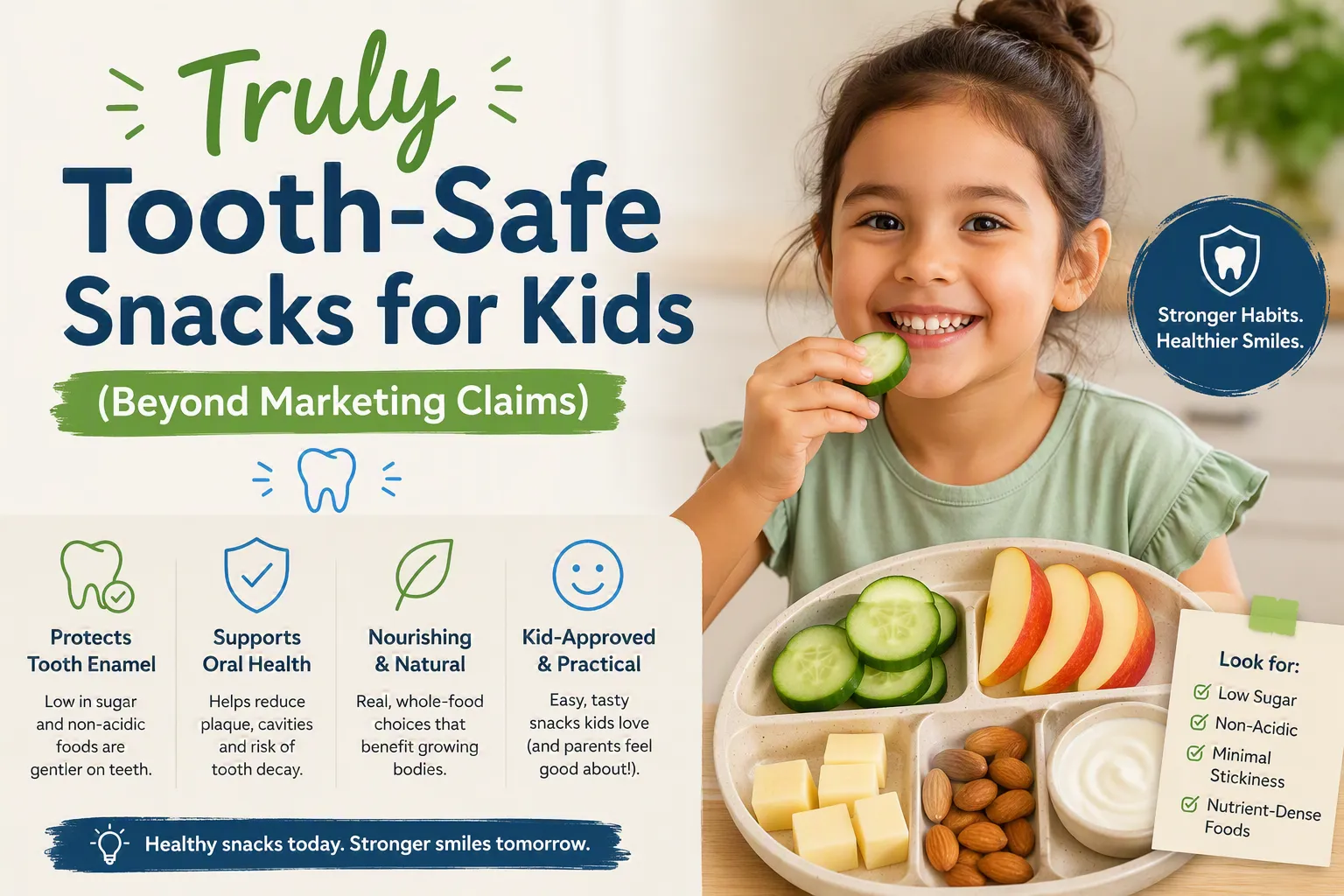
When it comes to selecting the best options, parents should prioritize tooth safe snacks for kids that are not only tasty but also beneficial for their teeth.
The Importance of Tooth-Safe Snacks
Understanding Dental Health in Children
Dental health is crucial for children not only because it affects their physical appearance but also because it can influence overall health and well-being. The early years are critical for establishing proper dental habits and preventing dental issues like cavities and tooth decay. Children are particularly susceptible to dental problems, given their diets often feature sugary and acidic foods that can harm enamel and promote bacteria growth.
Incorporating tooth safe snacks for kids into daily routines can significantly enhance their dental health.
It’s essential to establish a robust oral hygiene routine alongside a diet that supports dental health. Regular dental check-ups and education on the importance of brushing and flossing are vital, but these practices should be complemented by a diet that minimizes risks to dental health. Snacks play a significant role in children’s diets and can be a source of hidden sugars and acids that may lead to cavities.
The Role of Diet in Cavity Prevention
The connection between diet and cavities is well-documented. Sugary snacks and beverages are prime culprits for tooth decay, as they provide fuel for harmful bacteria in the mouth. When these bacteria metabolize sugar, they produce acids that erode tooth enamel and lead to cavities. Conversely, tooth-safe snacks can help to neutralize these acids and even provide essential nutrients for maintaining healthy teeth.
By choosing tooth safe snacks for kids, parents can ensure a diet that supports strong teeth and gums.
Choosing snacks that are low in sugar and high in fiber, vitamins, and minerals can contribute to a healthier mouth. Foods that stimulate saliva production, such as crunchy fruits and vegetables, can help wash away food particles and neutralize acids. Understanding the role of these foods is key to compiling a list of tooth-safe snacks for children.
It’s important to educate children about the benefits of tooth safe snacks for kids, reinforcing healthy eating habits from an early age.
Identifying Marketing Claims vs. Reality
Common Misleading Snack Labels
Evaluating Nutritional Information
<pAdditionally, consider the pH level of the foods. Snacks with a lower pH (more acidic) can contribute to enamel erosion, while those higher on the pH scale (more alkaline) can help protect teeth. This insight is crucial for parents looking to curate a snack list that truly supports dental health.
Top Truly Tooth-Safe Snacks for Kids
Healthy Snacks for Children’s Teeth
Here’s a selection of healthy snacks that are beneficial for children’s dental health:
These tooth safe snacks for kids offer a balance of flavor and nutrition, making them ideal for a healthy diet.
- Fresh Fruits: Apples, pears, and strawberries are great options. Their fibrous texture stimulates chewing and saliva production, which helps wash away food particles.
- Vegetable Sticks: Carrots, celery, and cucumbers are crunchy, nutritious, and can help improve oral health by encouraging saliva flow.
- Cheese: Cheese is not only a good source of calcium but also helps neutralize acids in the mouth.
Sugar-Free Snacks for Kids
When looking for sugar-free snacks, consider the following options:
Looking for alternatives? Consider these tooth safe snacks for kids that are not only sugar-free but also delicious.
- Plain Yogurt: Opt for plain yogurt without added sugars. You can sweeten it naturally with fresh fruits.
- Nuts and Seeds: Almonds, walnuts, and pumpkin seeds provide essential nutrients and are free from harmful sugars.
- Popcorn: Plain air-popped popcorn offers a satisfying crunch and is a low-calorie snack choice.
Homemade Options for Tooth Safety
Creating homemade snacks can be both fun and healthy. Here are some ideas:
Making homemade tooth safe snacks for kids is a fun activity, allowing parents to control ingredients and ensure healthiness.
- Fruit Popsicles: Blend fresh fruits with yogurt or coconut water and freeze them into popsicles.
- Energy Bites: Combine oats, nut butter, and seeds to create nutritious bites that are easy to make and store.
- Vegetable Chips: Bake thinly sliced vegetables like kale, beetroot, or sweet potatoes for a crunchy snack without added sugars.

Incorporating Tooth-Safe Snacks into Daily Diet
Integrating tooth safe snacks for kids into meals can help maintain a balanced diet while promoting dental hygiene.
Creative Ways to Serve Snacks
Balancing Snacks with Nutritional Needs
Conclusion
In conclusion, prioritizing tooth safe snacks for kids is essential for fostering good dental health and overall well-being.
Additional Resources
For further information, consider the following resources:
- American Academy of Pediatric Dentistry
- The American Dental Association
- Centers for Disease Control and Prevention: Oral Health

FAQ Section
What are tooth-safe snacks for kids?
Tooth-safe snacks are foods that are low in sugar and acid, high in fiber or calcium, and that stimulate saliva production to protect enamel and prevent cavities. Examples include fresh fruits like apples and pears, crunchy vegetables such as carrots and celery, plain cheese, and unsweetened yogurt.
Are “sugar-free” snacks always safe for children’s teeth?
Not always — many products labeled “sugar-free” or “natural” still contain hidden acids or fermentable carbohydrates that can erode enamel, so the label alone isn’t a reliable safety indicator. Parents should check actual ingredients rather than relying on front-of-pack marketing claims.
Which fruits are genuinely good for children’s teeth?
Apples, pears, and strawberries are considered tooth-friendly because their fibrous texture encourages chewing, which boosts saliva flow and helps clear away food particles. Saliva plays a key role in neutralizing the acids that lead to decay.
Can cheese actually help prevent cavities?
Yes — cheese is a good source of calcium and helps neutralize mouth acids, making it one of the more dentist-recommended snack choices for kids. It pairs well with fruit or vegetable sticks for a balanced, tooth-safe snack combo.
Is plain yogurt better than flavored yogurt for kids’ teeth?
Plain yogurt without added sugar is the safer choice, and parents can naturally sweeten it with fresh fruit instead of relying on pre-sweetened varieties. Flavored yogurts often contain added sugars that feed decay-causing bacteria.
What are some homemade tooth-safe snack ideas for kids?
Homemade options include fruit popsicles made from blended fruit and yogurt or coconut water, energy bites made with oats, nut butter and seeds, and baked vegetable chips from kale, beetroot, or sweet potato. Making snacks at home lets parents control sugar content and avoid hidden additives.
Why do crunchy vegetables help protect kids’ teeth?
Crunchy vegetables like carrots, celery, and cucumbers require more chewing, which increases saliva production and helps wash away food debris and neutralize acid in the mouth. This mechanical cleaning action makes them a practical addition to a tooth-friendly diet.
Are nuts and seeds safe snacks for children’s teeth?
Nuts and seeds such as almonds, walnuts, and pumpkin seeds provide essential nutrients without contributing harmful sugars, making them a solid tooth-safe option for older children who can safely chew them. Always consider age-appropriate texture and choking risk for younger kids.
How does diet connect to cavity prevention in children?
Diet is directly linked to cavity risk because sugary and acidic snacks fuel the bacteria that erode enamel and cause decay, while fiber-rich, low-sugar snacks help counteract this process. Combining a tooth-safe diet with regular brushing, flossing, and dental check-ups offers the strongest protection.
What snack habits should parents avoid for their child’s dental health?
Parents should limit sugary and acidic snacks and beverages, since these are the primary contributors to enamel erosion and tooth decay in children. Relying on snack packaging claims like “natural” or “no added sugar” without checking the ingredient list can also be misleading.