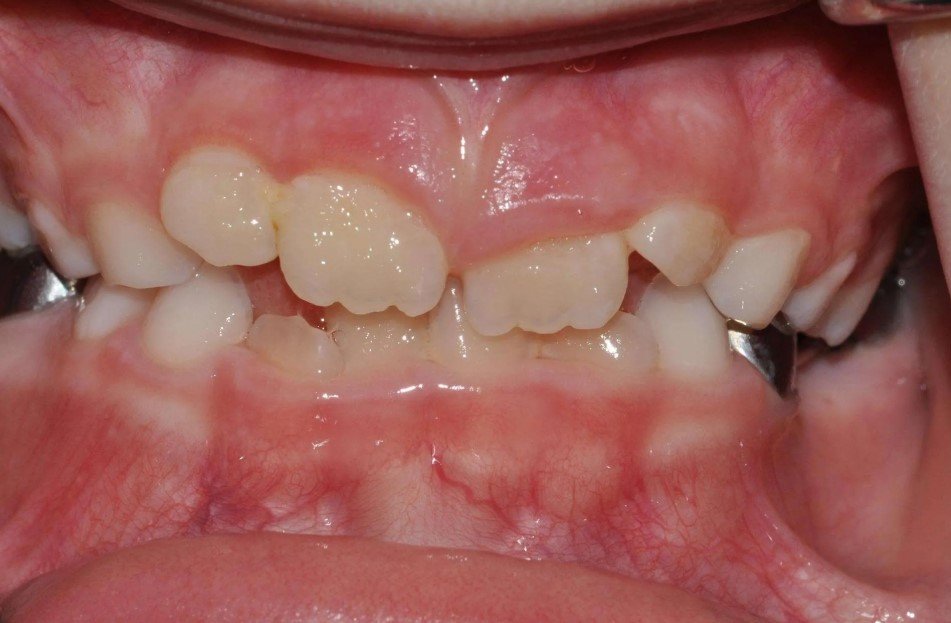
Choosing the right orthodontic treatment is an important decision for both children and adults. Many parents today are comparing myobrace vs braces because they want the most effective solution for straight teeth while also improving long-term oral health. Traditional braces have been the standard treatment for decades, while Myobrace has become increasingly popular as an early intervention system designed to address the causes of crooked teeth rather than simply correcting their appearance.
If you are searching for the difference between Myobrace and braces, this detailed guide explains everything you need to know. Whether you live in Sunbury, Melbourne, Diggers Rest, Gisborne, Macedon, Craigieburn, Melton, or nearby suburbs, understanding these orthodontic options will help you make an informed decision.
This article compares treatment methods, effectiveness, costs, comfort, maintenance, treatment duration, advantages, disadvantages, and ideal candidates. By the end, you will understand which treatment may be more suitable for your dental needs.
Understanding Orthodontic Treatment
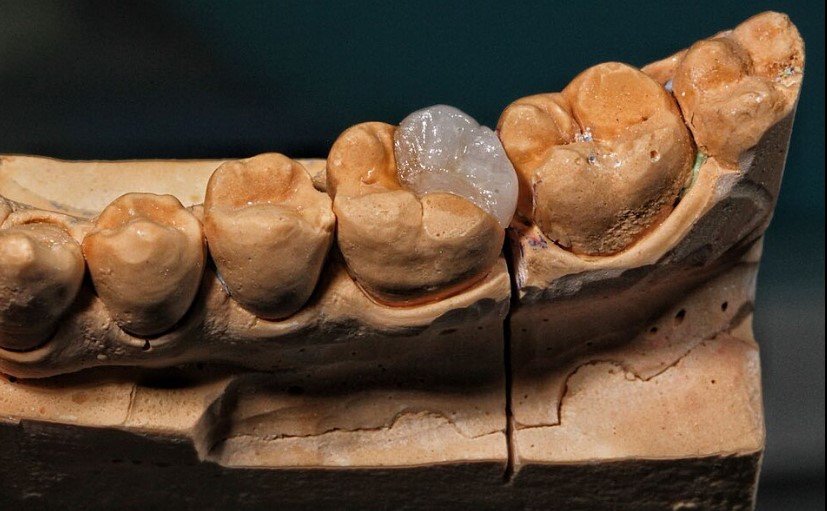 Orthodontic treatment focuses on correcting teeth alignment, bite problems, jaw development, and facial balance. Modern orthodontics does much more than improve appearance. Properly aligned teeth contribute to better oral hygiene, easier chewing, clearer speech, reduced tooth wear, and improved confidence.
When discussing myobrace vs braces, it is important to understand that these treatments have different objectives.
Traditional braces move teeth into better positions using controlled force.
Myobrace aims to improve oral habits, encourage proper jaw development, and reduce the need for extensive orthodontic treatment later.
What Is Myobrace?
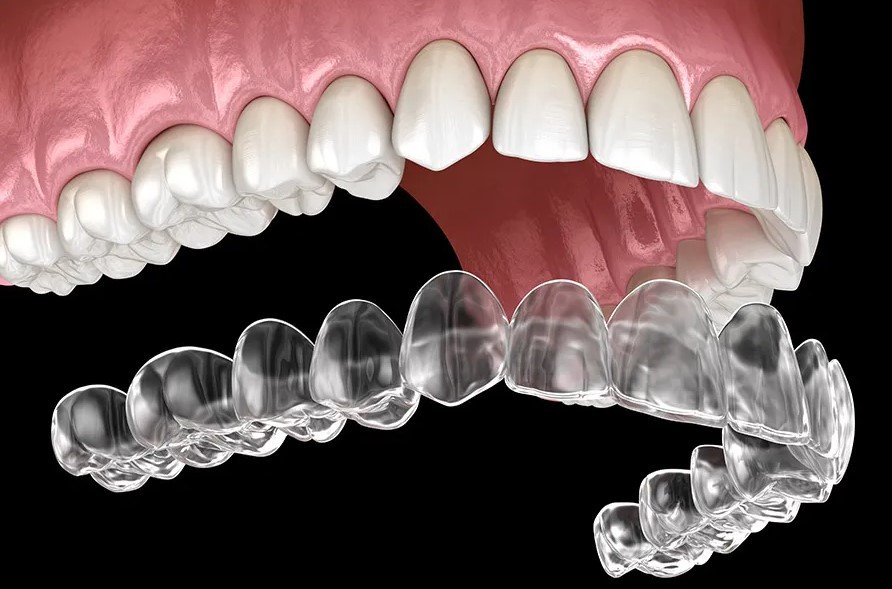
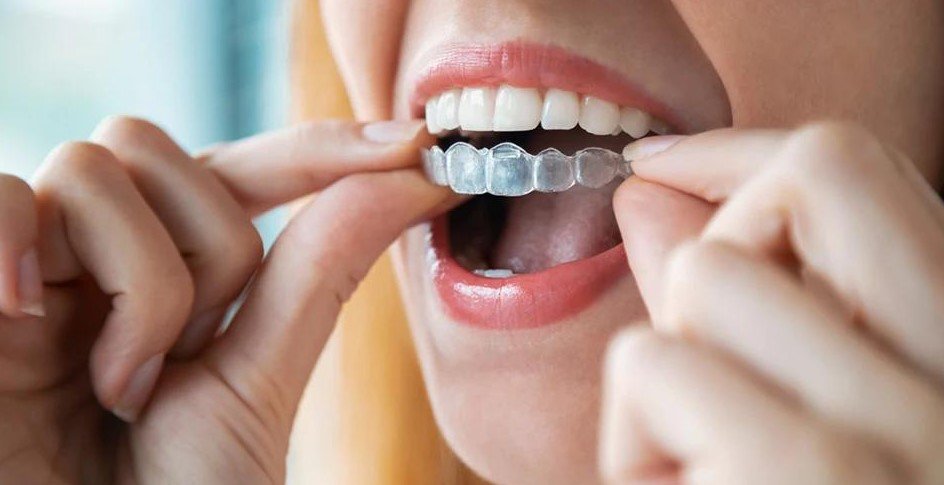
Myobrace is a removable orthodontic appliance developed specifically for children during their growing years. Unlike traditional braces, it does not primarily rely on wires or brackets.
Instead, it focuses on correcting poor oral habits that contribute to crooked teeth.
These habits may include:
- Mouth breathing
- Incorrect tongue position
- Thumb sucking
- Tongue thrusting
- Incorrect swallowing
- Poor lip posture
By addressing these underlying causes, Myobrace attempts to guide natural jaw development while creating enough space for permanent teeth.
Many dentists recommend beginning Myobrace treatment between the ages of 5 and 15 because jaw growth is still occurring.
How Does Myobrace Work?
The Myobrace system combines several treatment principles.
Habit Correction
Children are encouraged to breathe through their nose rather than their mouth.
Proper breathing improves facial development and supports healthy jaw growth.
Tongue Training
The appliance helps position the tongue correctly against the roof of the mouth.
Correct tongue posture supports wider dental arches and improved alignment.
Jaw Development
As children grow, Myobrace encourages proper development of the upper and lower jaws.
This often creates additional space for erupting permanent teeth.
Daily Exercises
Patients complete simple exercises each day to strengthen facial muscles and improve oral function.
Consistency plays a significant role in treatment success.
What Are Traditional Braces?
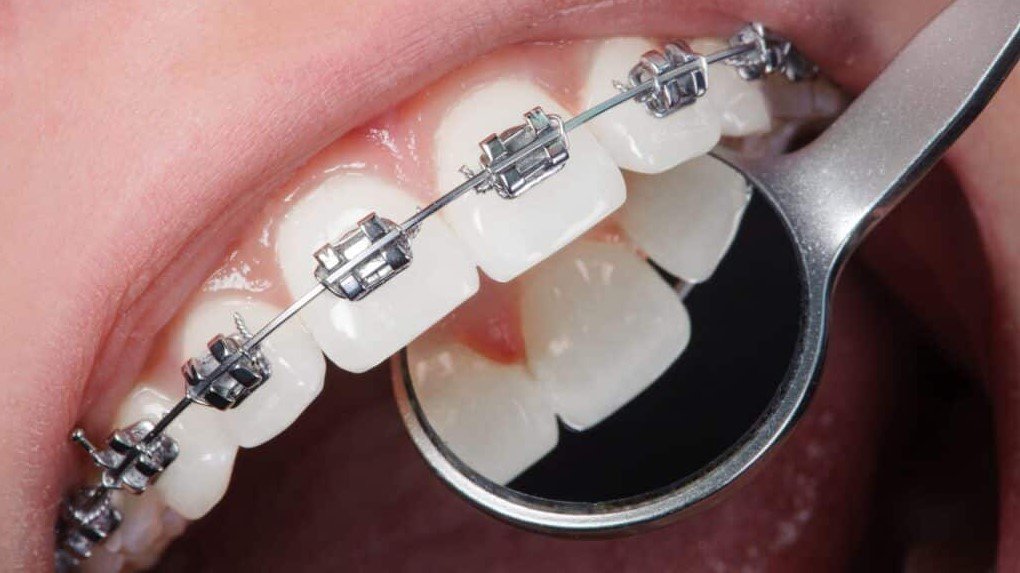
Traditional braces are fixed orthodontic appliances attached directly to the teeth.
They consist of:
- Brackets
- Archwires
- Elastic bands (when required)
Braces gradually move teeth into ideal positions using controlled pressure over time.
Modern braces are suitable for children, teenagers, and adults.
They can successfully treat:
- Crowded teeth
- Gaps
- Crossbite
- Underbite
- Overbite
- Open bite
- Rotated teeth
- Complex bite problems
Braces remain one of the most reliable orthodontic treatments available today.
How Braces Work
Each bracket is bonded to an individual tooth.
A flexible wire connects all brackets.
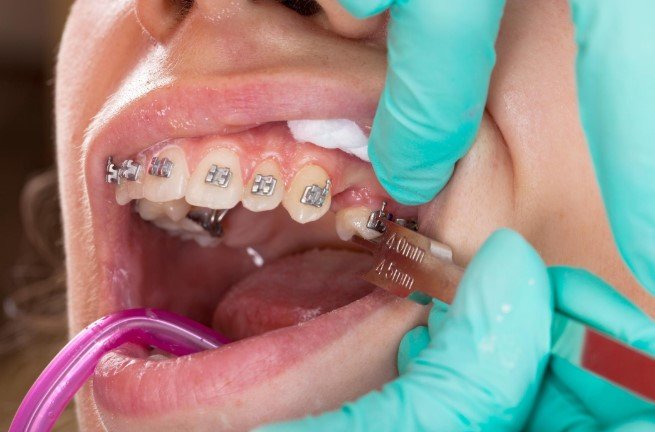
During adjustment appointments, the dentist gradually tightens or replaces the wire.
This gentle pressure stimulates bone remodeling, allowing teeth to move safely into their desired positions.
Treatment continues until proper alignment is achieved.
Myobrace vs Braces: Key Differences
| Feature | Myobrace | Traditional Braces |
| Removable | Yes | No |
| Best Age | 5–15 Years | Children, Teens, Adults |
| Moves Teeth | Limited | Yes |
| Corrects Habits | Yes | No |
| Jaw Development | Yes | Limited |
| Suitable for Severe Cases | No | Yes |
| Appearance | Nearly Invisible | Visible |
| Daily Compliance Needed | High | Low |
| Fixed Appliance | No | Yes |
| Dentist Visits | Less Frequent | Regular Adjustments |
Myobrace vs Braces: Which One Is More Effective?
 This question depends on the patient’s age and dental condition.
Myobrace is highly effective when poor oral habits are the primary cause of developing orthodontic problems.
However, once permanent teeth are fully erupted and significant crowding exists, braces generally provide more predictable results.
For severe orthodontic problems including rotated teeth, major crowding, bite discrepancies, and jaw misalignment, braces remain the gold standard.
Benefits of Myobrace
Many families choose Myobrace because it offers several advantages.
Encourages Natural Growth
Instead of forcing teeth into place, Myobrace works alongside natural facial development.
No Metal Brackets
Many children appreciate wearing a removable appliance instead of visible braces.
Improved Breathing
Nasal breathing promotes healthier sleep, improved oxygen intake, and better facial growth.
Better Oral Habits
Correcting poor habits may prevent future orthodontic problems.
Easier Cleaning
Since the appliance is removable, brushing and flossing remain simple.
Comfortable Treatment
There are no brackets causing mouth ulcers or wire irritation.
Benefits of Traditional Braces
Braces continue to be the most predictable orthodontic treatment available.
Correct Severe Cases
Braces successfully manage complex orthodontic problems.
Permanent Tooth Movement
Unlike removable appliances, braces continuously move teeth throughout treatment.
Excellent Long-Term Results
With proper retention, braces provide lasting alignment.
Suitable for All Ages
Children, teenagers, and adults all benefit from braces.
Precise Tooth Control
Dentists can move each tooth individually for highly accurate treatment outcomes.
Myobrace vs Braces for Children
Children experiencing early signs of crowding often benefit from Myobrace if treatment begins before permanent teeth fully erupt.
Parents frequently choose Myobrace because it encourages healthy jaw growth while improving breathing and oral habits.
However, children with severe crowding or bite issues may eventually require braces even after Myobrace therapy.
Many orthodontists use Myobrace as Phase One treatment followed by braces if necessary.
Myobrace vs Braces for Teenagers
Teenagers generally experience fewer benefits from Myobrace because jaw growth slows significantly after puberty.
Traditional braces often produce faster and more predictable tooth movement.
For teenagers with moderate to severe crowding, braces remain the preferred treatment.
Myobrace vs Braces for Adults
Adults usually achieve better results with braces or clear aligners because facial growth has already finished.
Myobrace has limited effectiveness once jaw development is complete.
Adults seeking comprehensive orthodontic correction should discuss braces or aligners with their dentist.
Treatment Duration
Treatment length varies depending on individual needs.
Typical Myobrace treatment ranges from 12 to 24 months.
Traditional braces generally require 18 to 30 months.
Complex cases may take longer.
Compliance greatly influences treatment time, particularly with Myobrace, where daily wear and exercises are essential.
Comfort Comparison
Many patients consider Myobrace more comfortable because there are no brackets or tightening appointments.
Braces may cause temporary soreness following adjustments.
However, most patients adapt within a few days after each appointment.
Modern orthodontic techniques have significantly improved comfort compared with older braces.
Appearance Comparison
Children often prefer Myobrace because it is worn mainly overnight and for a few hours during the day.
Braces remain visible throughout treatment, although ceramic braces provide a less noticeable appearance than traditional metal braces.
Patients concerned about appearance should discuss available orthodontic options with their dental provider.
Oral Hygiene
Maintaining excellent oral hygiene is easier with Myobrace because the appliance can be removed during meals and brushing.
Braces require additional cleaning around brackets and wires to prevent plaque buildup, staining, and gum disease.
Patients wearing braces should brush after every meal and use interdental brushes or water flossers to maintain healthy teeth and gums.
Which Treatment Is Right for You?
There is no one-size-fits-all answer in the myobrace-vs-braces comparison. The best choice depends on age, jaw development, the severity of the orthodontic problem, oral habits, and treatment goals. Children with developing jaws and poor oral habits may benefit greatly from Myobrace, while patients with moderate to severe alignment or bite issues usually achieve more predictable results with braces.
In Sunbury and surrounding Melbourne suburbs, an early orthodontic assessment can help determine whether preventive treatment like Myobrace is suitable or whether comprehensive treatment with braces is the better long-term solution.
Myobrace vs Braces Cost in Australia
One of the most common questions parents ask is about the cost difference between Myobrace and traditional braces. While prices vary depending on the complexity of treatment, the dentist’s experience, and the clinic location, understanding the general price range helps families plan their orthodontic care.
Although Myobrace often has a lower upfront cost, some children may still require braces
| Treatment | Estimated Cost (Australia) |
| Myobrace | AUD $2,000 – $5,000 |
| Metal Braces | AUD $6,000 – $9,000 |
| Ceramic Braces | AUD $6,500 – $10,000 |
| Clear Aligners | AUD $5,000 – $9,500 |
later if significant alignment issues remain. This is why an early orthodontic assessment is so valuable—it helps determine whether Myobrace alone is likely to be sufficient.
Treatment Stages
Myobrace Treatment Stages
Myobrace treatment usually follows several stages designed to improve oral function before focusing on tooth alignment.
Stage 1: Habit Correction
The first goal is to eliminate harmful oral habits such as:
- Mouth breathing
- Thumb sucking
- Incorrect swallowing
- Poor tongue posture
Correcting these habits supports healthier jaw and facial development.
Stage 2: Arch Development
As oral habits improve, the appliance helps encourage proper jaw growth and creates more space for incoming permanent teeth.
Stage 3: Dental Alignment
Once the jaw develops more naturally, mild tooth alignment often improves. Some children achieve excellent results with Myobrace alone, while others may later benefit from braces for fine adjustments.
Traditional Braces Treatment Stages
Braces follow a different process because they directly move the teeth.
Initial Consultation
Your dentist or orthodontist examines your teeth, bite, jaw, and facial structure. X-rays, photographs, and digital scans are commonly taken to create a personalised treatment plan.
Braces Placement
Brackets are bonded to the teeth, and an archwire is attached to begin gentle tooth movement.
Regular Adjustments
Appointments are usually scheduled every 4–8 weeks. During these visits, the orthodontist adjusts or changes the wires to continue guiding the teeth into the correct position.
Debonding
Once treatment is complete, the braces are removed, and the teeth are cleaned and polished.
Retainers
A retainer is provided to help maintain the new tooth positions and reduce the risk of relapse.
Myobrace vs Braces: Pros and Cons
Myobrace Advantages
- Encourages healthy jaw development.
- Corrects harmful oral habits.
- Removable and easy to clean.
- More comfortable than fixed braces.
- Nearly invisible during daily life.
- Can reduce the severity of future orthodontic problems.
- Supports nasal breathing and healthy facial growth.
Myobrace Disadvantages
- Requires excellent patient cooperation.
- Must be worn consistently to be effective.
- Not suitable for severe orthodontic problems.
- Less effective once jaw growth has finished.
- Some patients may still require braces afterward.
Traditional Braces Advantages
- Highly effective for mild, moderate, and severe cases.
- Correct crowded, rotated, and misaligned teeth.
- Improve complex bite problems.
- Suitable for children, teenagers, and adults.
- Fixed appliance means treatment continues 24/7.
- Long history of predictable results.
Traditional Braces Disadvantages
- More visible than removable appliances.
- Require careful oral hygiene.
- Certain foods should be avoided.
- Temporary discomfort after adjustments.
- Higher overall treatment cost in many cases.
Which Treatment Produces Better Results?
The answer depends on the patient’s age and orthodontic condition.
Myobrace Is Best For:
- Children aged approximately 5–15 years.
- Developing jaws.
- Mouth breathing.
- Thumb sucking.
- Incorrect tongue posture.
- Mild crowding.
- Early orthodontic intervention.
Braces Are Best For:
- Teenagers and adults.
- Severe crowding.
- Significant bite issues.
- Rotated teeth.
- Large gaps.
- Crossbites, overbites, underbites, and open bites.
- Comprehensive orthodontic correction.
Can Myobrace Prevent the Need for Braces?
This is one of the biggest advantages often associated with Myobrace.
For some children, early treatment helps guide jaw development and improve oral habits enough that extensive orthodontic treatment may be reduced or, in selected cases, avoided.
However, this is not guaranteed. Many children still require braces to achieve precise tooth alignment, even after successful Myobrace therapy. Think of Myobrace as an early intervention that may make later orthodontic treatment shorter or less complex rather than a universal replacement for braces.
Are Braces Faster Than Myobrace?
Treatment time depends on the individual case rather than the appliance alone.
- Myobrace treatment often lasts 12–24 months, with success depending heavily on daily wear and exercises.
- Braces commonly require 18–30 months, but because they work continuously, they can provide more predictable tooth movement in complex cases.
Consistency is the key to success with either treatment.
Eating With Myobrace vs Braces
Eating With Myobrace
Since the appliance is removable, it is taken out during meals. This means there are generally no dietary restrictions while eating, although the appliance should be cleaned before being reinserted.
Eating With Braces
Patients wearing braces should avoid foods that may damage brackets or wires, including:
- Hard lollies
- Popcorn kernels
- Ice
- Sticky toffees
- Chewing gum
- Very hard nuts
- Crunchy foods that are difficult to bite into directly
Cutting firm foods into smaller pieces can help protect the braces.
Cleaning and Maintenance
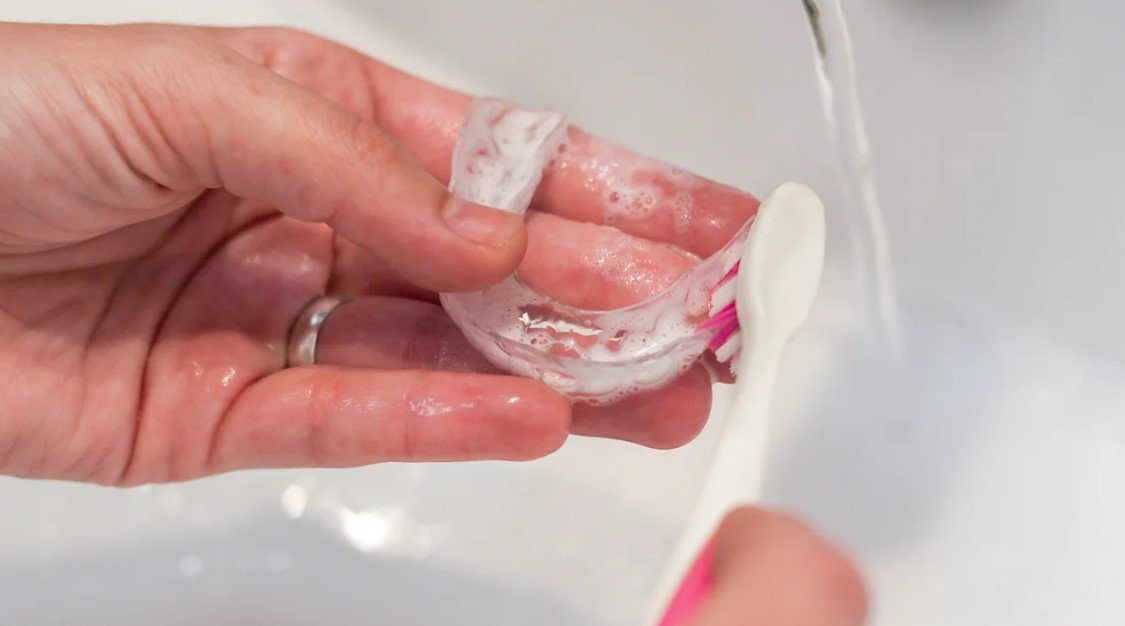
Myobrace Care
Proper maintenance includes:
- Rinsing after use.
- Cleaning daily with a soft toothbrush.
- Storing the appliance in its protective case.
- Keeping it away from excessive heat.
Braces Care
Patients with braces should:
- Brush after every meal.
- Floss carefully around wires.
- Use interdental brushes or a water flosser.
- Attend all scheduled adjustment appointments.
- Limit sugary snacks and drinks to reduce the risk of decay.
Excellent oral hygiene is essential to avoid plaque build-up and gum inflammation during treatment.
Myobrace vs Braces: Side-by-Side Comparison
| Feature | Myobrace | Braces |
| Corrects Oral Habits | Yes | No |
| Straightens Teeth | Mild Cases | Yes |
| Suitable for Adults | Limited | Yes |
| Removable | Yes | No |
| Visible | Minimal | Yes |
| Daily Compliance Required | High | Low |
| Best for Severe Cases | No | Yes |
| Jaw Development | Yes | Limited |
| Cleaning | Easy | More Challenging |
| Food Restrictions | None During Meals | Several |
| Follow-Up Visits | Less Frequent | Regular |
Why Early Orthodontic Assessment Matters
Many orthodontic issues become easier to manage when identified early. Children who experience mouth breathing, crowded baby teeth, thumb sucking, or speech concerns may benefit from an assessment before all permanent teeth erupt.
Early intervention does not always mean immediate treatment, but it allows the dentist to monitor growth and recommend the most appropriate timing if Myobrace, braces, or another option becomes necessary.
Choosing the Right Dentist in Sunbury
If you are considering myobrace-vs-braces, look for a dental clinic that offers:
- Comprehensive orthodontic assessments.
- Experience with children’s dental development.
- Digital diagnostic imaging.
- Personalised treatment planning.
- Flexible payment options.
- Ongoing support throughout treatment.
Patients in Sunbury, Melton, Craigieburn, Diggers Rest, Gisborne, Riddells Creek, Macedon, Keilor, Taylors Lakes, and surrounding Melbourne suburbs can benefit from discussing all available options with a qualified dental professional before starting treatment.
Frequently Asked Questions
Is Myobrace better than braces?
Neither treatment is universally better. Myobrace is designed for growing children and focuses on correcting oral habits and supporting jaw development. Braces remain the preferred option for correcting moderate to severe tooth alignment and bite problems.
Can adults use Myobrace?
Adults may use Myobrace in limited situations, but it is generally less effective because jaw growth has already finished. Braces or clear aligners are usually more appropriate for adult orthodontic treatment.
Does Myobrace hurt?
Most patients experience only mild pressure while adapting to the appliance. It is generally considered more comfortable than fixed braces.
Are braces painful?
Braces may cause temporary soreness after placement and adjustment appointments, but this discomfort usually settles within a few days.
How long should Myobrace be worn each day?
The exact schedule depends on the dentist’s instructions, but treatment commonly includes overnight wear and additional daytime use.
Can Myobrace replace braces?
In some mild cases, Myobrace may reduce or eliminate the need for braces. However, many patients still require braces to achieve optimal tooth alignment.
Which treatment is more affordable?
Myobrace often costs less initially, but overall value depends on whether additional orthodontic treatment becomes necessary.
Which treatment is best for severe crowding?
Traditional braces remain the most effective solution for severe crowding and complex bite problems.
These internal links improve user experience and help search engines understand the relationship between your content.
Conclusion
When comparing myobrace vs braces, there is no single treatment that suits everyone. The right choice depends on the patient’s age, stage of jaw development, oral habits, and the complexity of the orthodontic problem.
Myobrace is an excellent early intervention option for growing children. By encouraging nasal breathing, improving tongue posture, correcting swallowing patterns, and guiding jaw development, it addresses many of the underlying factors that contribute to crooked teeth. For children with mild alignment concerns and harmful oral habits, this proactive approach may reduce the severity of future orthodontic treatment.
Traditional braces, however, continue to be the most reliable solution for correcting moderate to severe crowding, bite irregularities, rotated teeth, and complex orthodontic conditions. Because braces apply continuous, controlled pressure, they offer highly predictable results for patients of almost any age