Introduction
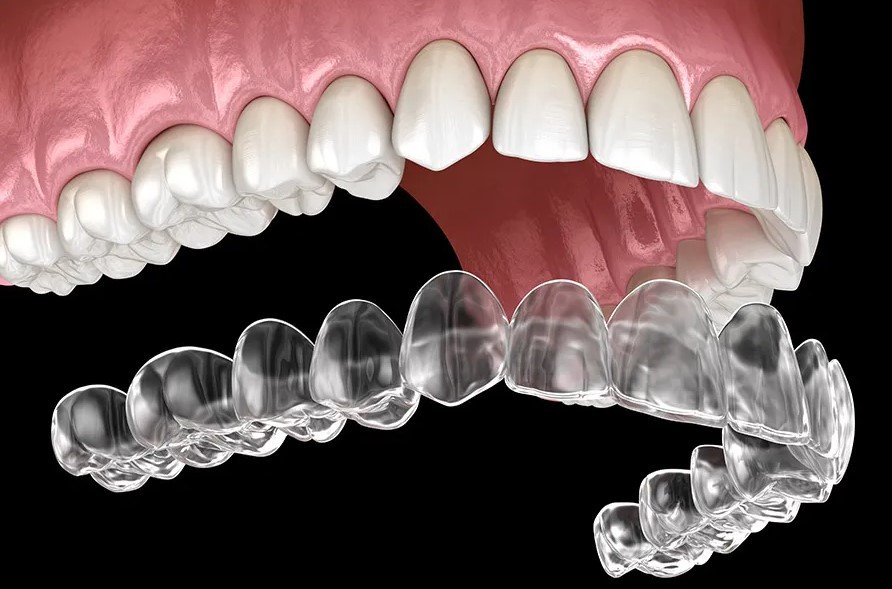
If you are currently using Invisalign or considering starting treatment, understanding how to properly care for Invisalign is essential. Invisalign aligners are designed to straighten teeth discreetly and comfortably, but their effectiveness depends heavily on proper maintenance and daily care.
Many patients in Sunbury and surrounding areas such as Diggers Rest, Bulla, Greenvale, Craigieburn, Melton, Gisborne, Riddells Creek, Macedon, and Taylors Lakes choose Invisalign because it offers a modern alternative to traditional braces. However, unlike fixed braces, Invisalign aligners require a level of responsibility from the wearer.
Learning how to care for Invisalign correctly can help prevent staining, bad odours, bacterial buildup, cavities, gum disease, and treatment delays. Proper Invisalign care also helps ensure your aligners remain clear and nearly invisible throughout treatment.
This comprehensive guide explains everything Australian patients need to know about Invisalign maintenance, cleaning routines, oral hygiene, storage, eating habits, and long-term care.
 What Is Care for Invisalign?
 What Is Care for Invisalign?
Invisalign is a clear aligner system designed to straighten teeth without the use of traditional metal brackets and wires.
The treatment involves a series of custom-made transparent aligners that gradually move teeth into their desired positions.
Many patients choose Invisalign because it is:
- Nearly invisible
- Comfortable
- Removable
- Easy to clean
- Suitable for many orthodontic issues
A dentist or Invisalign provider in Sunbury will create a personalized treatment plan using digital scans and advanced treatment software.
Why Proper Care for Invisalign Matters
Understanding how to care for Invisalign is crucial for successful treatment.
Poor maintenance can result in:
- Yellow aligners
- Bad smells
- Bacterial growth
- Tooth decay
- Gum disease
- Stained trays
- Delayed treatment progress
Because Invisalign aligners sit directly against your teeth for approximately 20 to 22 hours daily, cleanliness is essential.
Proper Invisalign care helps maintain:
- Oral health Care for Invisalign
- Aligner transparency Care for Invisalign
- Treatment effectiveness Care for Invisalign
- Fresh breath Care for Invisalign
- Comfortable wear Care for Invisalign
Daily Care for Invisalign
Creating a daily routine is the best way to ensure successful treatment.
Morning Routine
When you wake up:
- Remove aligners carefully.
- Rinse them with lukewarm water.
- Brush your teeth thoroughly.
- Clean your aligners.
- Reinsert them immediately.
This routine removes overnight bacteria and keeps aligners fresh.
Throughout the Day
Each time you eat:
- Remove aligners
- Store them safely
- Brush teeth before reinserting
- Rinse aligners if necessary
Evening Routine
Before bed:
- Brush and floss thoroughly
- Clean aligners properly
- Check for cracks or damage
- Reinsert aligners
Consistency is critical when learning how to care for Invisalign.
How to Clean Invisalign Aligners Properly
Cleaning Invisalign aligners correctly helps prevent staining and bacterial buildup.
Step 1: Rinse Frequently
Whenever aligners are removed:
- Rinse with lukewarm water
- Remove saliva and debris
- Prevent bacterial growth
Never use hot water.
Hot water can warp the plastic and affect treatment.
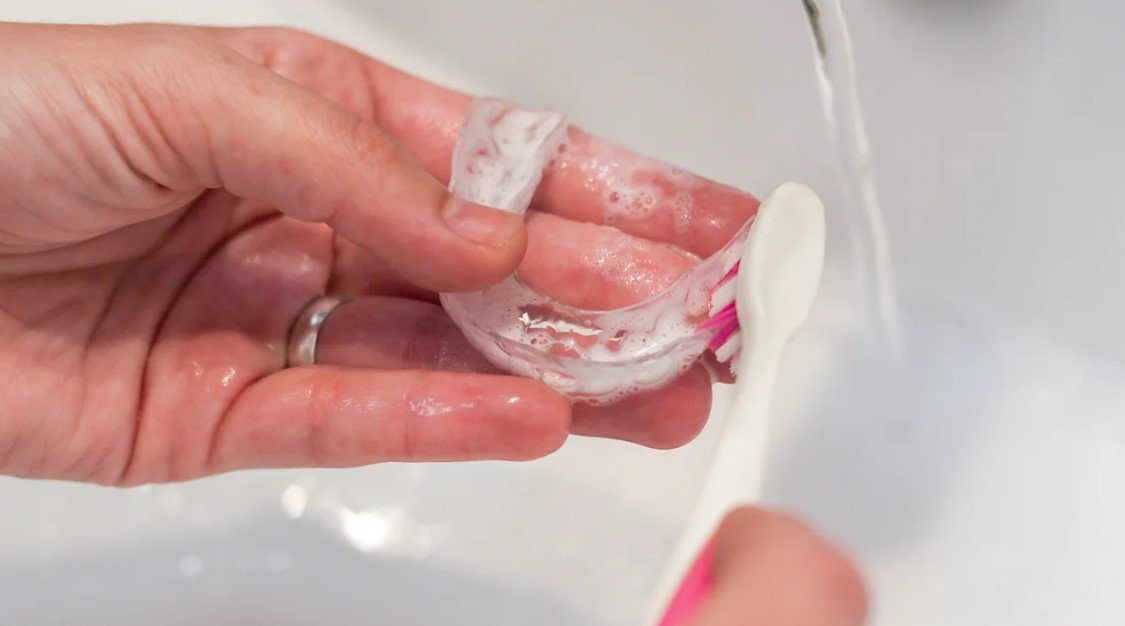
Step 2: Brush Gently
Use:
- Soft-bristled toothbrush
- Mild clear soap
- Gentle circular motions
Avoid aggressive scrubbing.
Step 3: Deep Clean Daily
Daily deep cleaning removes bacteria and plaque.
Options include:
- Invisalign cleaning crystals
- Aligner cleaning tablets
- Approved cleaning solutions
Regular deep cleaning is one of the most important aspects of proper care for Invisalign.
Products Recommended for Invisalign Care
Several products can help maintain aligner cleanliness.
Invisalign Cleaning Crystals
These are specifically designed for Invisalign aligners.
Benefits include:
- Effective cleaning
- Odour removal
- Stain prevention
Retainer Cleaning Tablets
Many orthodontic cleaning tablets are suitable for Invisalign aligners.
Always follow manufacturer instructions.
Soft Toothbrush
Use a separate toothbrush for aligner cleaning.
Avoid hard-bristled brushes that may scratch the aligners.
What Not to Use on Invisalign
Many patients accidentally damage aligners by using inappropriate cleaning products.
Avoid:
- Toothpaste with abrasives
- Mouthwash containing dyes
- Bleach
- Alcohol-based cleaners
- Hot water
- Harsh chemicals
These products can damage aligners and affect their appearance.
Foods and Drinks to Avoid While Wearing Invisalign
One of the biggest advantages of Invisalign is the ability to remove aligners before eating.
However, aligners should never remain in your mouth while consuming most foods and drinks.
Remove Aligners Before Eating
Always remove aligners before consuming:
- Meals
- Snacks
- Desserts
Eating with aligners can:
- Crack trays
- Stain plastic
- Trap food particles
Drinks to Avoid with Aligners In
Remove aligners before drinking:
- Coffee
- Tea
- Soft drinks
- Sports drinks
- Energy drinks
- Wine
Only water should be consumed while wearing Invisalign.
 How to Store Invisalign Aligners Properly
 How to Store Invisalign Aligners Properly
Storage is an overlooked aspect of Invisalign maintenance.
Many aligners are lost because patients wrap them in tissues or napkins.
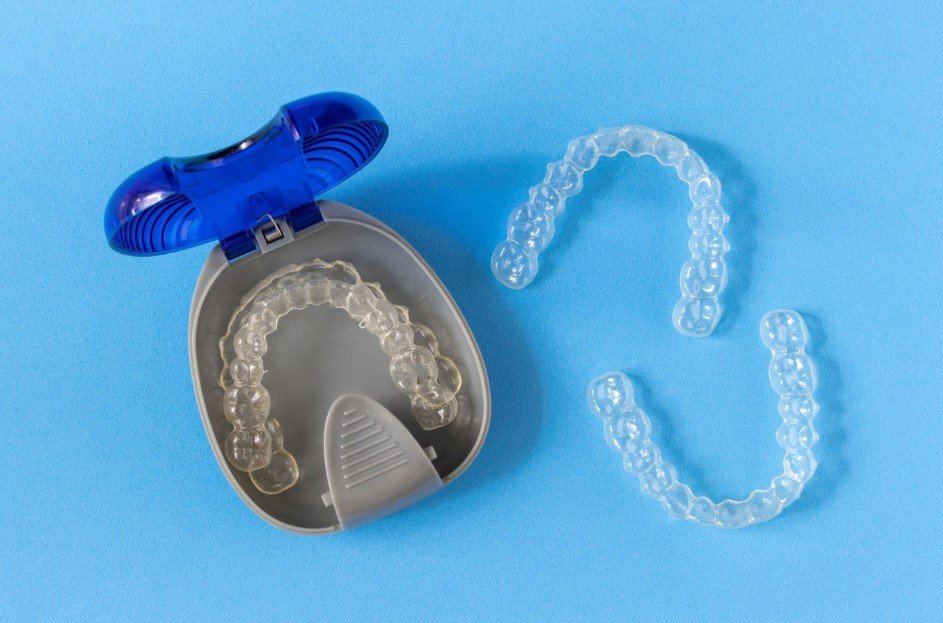
Use a Protective Case
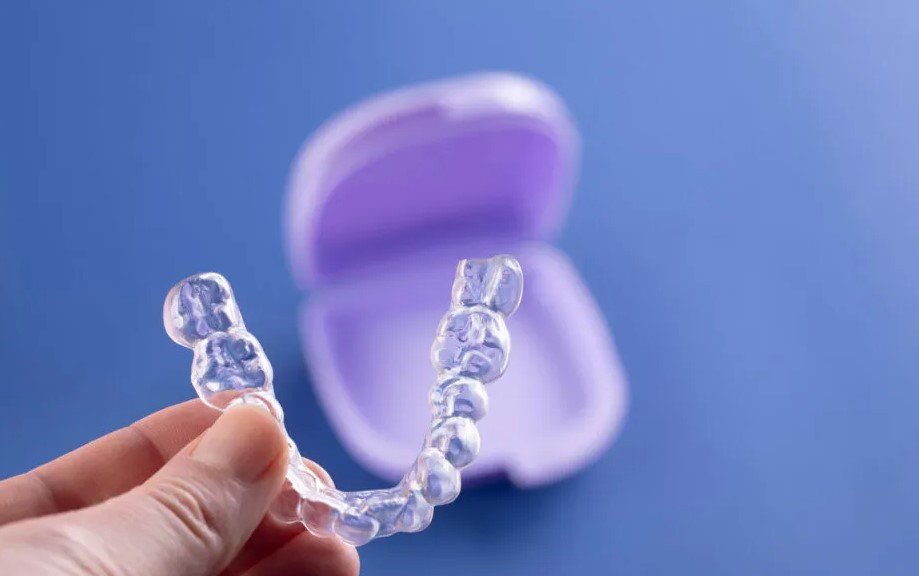
Always keep aligners in their official case when not wearing them.
Benefits include:
- Protection from damage
- Reduced contamination
- Lower risk of loss
Keep Away from Pets
Dogs frequently chew Invisalign aligners.
Store aligners in a secure location.
Avoid Direct Sunlight
Heat exposure may distort aligners.
Never leave them:
- In cars
- Near windows
- In hot environments
Common Invisalign Mistakes
Understanding what not to do is part of learning how to care for Invisalign.
Wearing Aligners Less Than Recommended
Most patients should wear aligners:
20–22 hours daily
Insufficient wear may slow progress.
Forgetting to Brush Before Reinserting
Food particles trapped under aligners increase the risk of:
- Cavities
- Plaque buildup
- Gum inflammation
Using Hot Water
Hot water can permanently damage aligners.
Always use cool or lukewarm water.
Skipping Cleaning
Aligners accumulate bacteria daily.
Regular cleaning is essential.
Oral Hygiene During Invisalign Treatment
One of the biggest advantages of Invisalign is that it allows patients to maintain excellent oral hygiene throughout treatment. Unlike traditional braces, there are no brackets or wires that trap food particles.
However, maintaining oral health still requires commitment and consistency.
 Brushing During Invisalign Treatment
Patients should brush:
- After breakfast
- After lunch
- After dinner
- Before bedtime
This routine helps remove plaque and food debris before aligners are reinserted.
Recommended Toothbrush Types
A soft-bristled toothbrush is generally recommended because it:
- Cleans effectively
- Protects enamel
- Reduces gum irritation
Electric toothbrushes may also provide excellent plaque removal during Invisalign treatment.
Flossing Every Day
Flossing is an essential part of proper care for Invisalign.
Food particles trapped between teeth can become problematic when aligners are placed back into the mouth.
Benefits of daily flossing include:
- Reduced plaque buildup
- Healthier gums
- Fresher breath
- Lower cavity risk
Many Invisalign patients notice improved oral hygiene habits because they become more aware of their dental health.
How to Prevent Invisalign Stains
One of the main reasons people choose Invisalign is the nearly invisible appearance of the aligners.
Keeping them clear requires proper care.
Avoid Staining Foods and Drinks
Common staining substances include:
- Coffee
- Tea
- Red wine
- Curry
- Tomato-based sauces
- Coloured soft drinks
If these foods are consumed, brush your teeth before reinserting aligners.
Clean Aligners Daily
Regular cleaning removes stain-causing particles before they become embedded in the plastic.
Stay Hydrated
Drinking water throughout the day helps reduce staining and promotes oral health.
How to Handle Invisalign While Travelling
Patients in Sunbury often travel throughout Victoria and Australia for work, holidays, and family visits.
Travelling does not need to interfere with Invisalign treatment.
Create an Invisalign Travel Kit
Include:
- Toothbrush
- Toothpaste
- Floss
- Aligner case
- Cleaning tablets
- Spare aligners if advised
Maintain Your Schedule
Try to keep aligners in for 20 to 22 hours daily even when travelling.
Consistency remains one of the most important elements of successful Invisalign treatment.
Invisalign Care for Teenagers
Teenagers are among the fastest-growing Invisalign users in Australia.
Parents should encourage good aligner habits.
Important Tips for Teens
- Wear aligners consistently
- Store aligners safely
- Avoid losing trays at school
- Maintain oral hygiene
- Attend regular dental appointments
Teenagers who follow Invisalign instructions closely often achieve excellent results.
Invisalign Care for Adults
Many adults choose Invisalign because of its discreet appearance.
Professionals, business owners, and parents often appreciate the convenience of removable aligners.
Adult Invisalign Care Tips
- Keep a toothbrush at work
- Carry a travel case
- Avoid coffee with aligners in
- Follow the wear schedule strictly
Adults often experience smoother treatment when Invisalign becomes part of their daily routine.
Invisalign Care During Sports
Many Sunbury residents participate in:
- Football
- Cricket
- Basketball
- Cycling
- Running
Invisalign can generally be worn during sports activities.
For contact sports, a dentist may recommend a custom mouthguard.
Always consult your dental professional for sport-specific advice.
Invisalign Care During Illness
When feeling unwell, oral hygiene remains important.
Patients experiencing:
- Colds
- Flu
- Sinus infections
should continue cleaning aligners regularly.
Replace aligners if instructed by your dentist after significant illness or contamination.
When to Replace Invisalign Aligners
Most Invisalign treatment plans involve changing aligners every one to two weeks.
Your dentist will provide a specific schedule.
Signs It Is Time for the Next Aligner Care for Invisalign
- Current tray feels loose
- Teeth have adapted
- Scheduled replacement date arrives
Never move to the next aligner early unless advised by your dentist.
What Happens If Invisalign Is Not Properly Maintained?
Neglecting proper care for Invisalign may result in several issues.
Increased Bacteria
Dirty aligners can become breeding grounds for bacteria.
Bad Breath
Poor cleaning routines often lead to unpleasant odours.
Staining
Neglected aligners may become yellow or cloudy.
Tooth Decay
Food particles trapped beneath aligners can increase cavity risk.
Gum Problems
Poor oral hygiene may contribute to inflammation and gum disease.
Benefits of Proper Care for Invisalign
Patients who follow recommended maintenance practices often enjoy:
- Faster treatment progress
- Cleaner aligners
- Better oral health
- Fresher breath
- Greater comfort
- Improved appearance
Proper care contributes directly to successful Invisalign outcomes.
Invisalign Treatment in Sunbury
Invisalign continues to grow in popularity throughout Sunbury and neighbouring communities.
Many patients choose Invisalign because it offers:
- A discreet appearance
- Modern technology
- Comfortable treatment
- Predictable results
Residents from nearby areas often visit Sunbury for Invisalign treatment.
Diggers Rest
Patients from Diggers Rest frequently seek Invisalign for both cosmetic and functional improvements.
Greenvale
Greenvale residents often appreciate the flexibility and convenience of removable aligners.
Bulla
Many Bulla patients choose Invisalign because of its nearly invisible appearance.
Craigieburn
Craigieburn families increasingly explore Invisalign as an alternative to traditional braces.
Melton
Many adults and teenagers from Melton choose Invisalign for smile enhancement.
Gisborne
Gisborne residents often seek modern orthodontic solutions close to home.
Macedon
Patients from Macedon value Invisalign’s comfort and convenience.
Riddells Creek
Invisalign remains a popular treatment option among Riddells Creek families.
Taylors Lakes
Patients from Taylors Lakes frequently consider Invisalign for discreet orthodontic treatment.
Frequently Asked Questions
How often should Invisalign aligners be cleaned?
Aligners should be rinsed whenever removed and thoroughly cleaned daily.
Can I brush Invisalign with toothpaste?
Some toothpastes contain abrasive ingredients that may scratch aligners. Mild soap or approved cleaning products are often preferred.
Can I drink coffee with Invisalign?
No. Aligners should be removed before drinking coffee.
Can Invisalign become yellow?
Yes. Poor cleaning habits may lead to staining and discolouration.
How many hours per day should Invisalign be worn?
Most patients should wear aligners for approximately 20 to 22 hours daily.
Can I chew gum while wearing Invisalign?
No. Gum may stick to aligners and damage them.
What should I do if I lose an aligner?
Contact your Invisalign provider immediately for guidance.
Can I use mouthwash to clean aligners?
Some mouthwashes may stain or damage aligners. Use products approved by your dentist.
Is Invisalign suitable for adults?
Yes. Invisalign is commonly used by adults of all ages.
How long does Invisalign treatment usually take?
Treatment duration varies but often ranges from several months to two years depending on complexity.
Invisalign Maintenance Checklist
 Daily Checklist:
✓ Brush teeth after meals
✓ Floss once daily
✓ Clean aligners every day
✓ Wear aligners 20–22 hours
✓ Store aligners safely
✓ Drink plenty of water
Weekly Checklist:
✓ Deep clean aligners
✓ Check for damage
✓ Monitor fit
✓ Follow replacement schedule
Final Thoughts
Understanding how to care for Invisalign is essential for achieving the best possible treatment results. Invisalign offers a modern, comfortable, and discreet way to straighten teeth, but success depends on consistent maintenance and proper oral hygiene Care for Invisalign.
Patients in Sunbury, Diggers Rest, Greenvale, Bulla, Craigieburn, Melton, Gisborne, Macedon, Riddells Creek, and Taylors Lakes can maximize their Invisalign experience by following a simple daily routine that includes cleaning aligners, brushing and flossing regularly, and wearing trays as instructed.
Proper care for Invisalign not only keeps aligners clear and comfortable but also supports healthier teeth and gums throughout treatment. By following the recommendations outlined in this guide, patients can protect their investment and enjoy a straighter, healthier smile for years to come.