OUR CONTACTS


Unit 5/92 Evans Street, Sunbury VIC 3429 , Australia

(+61) 3 9717 7311

Dental Restorations in Sunbury

Home • Services • Dental Restorations in Sunbury
lose up illustration of tooth-colored composite fillings placed inside the grooves of molars

When a tooth is damaged by decay, trauma, or general wear, it requires professional care to restore its strength and function. At Sunbury Dental Group, led by AHPRA-registered dentist Dr Nita Kumari, we provide a range of dental restorations designed to help protect your oral health and maintain your natural smile. Located conveniently on Evans Street, our clinic is open seven days a week to assist you and your family.

Quick Answer Summary

Dental restorations are treatments used to repair missing or damaged tooth structure. Common options include tooth-coloured composite fillings for minor decay, and dental crowns or bridges for more significant damage. The right treatment depends on an individual assessment of your oral health.

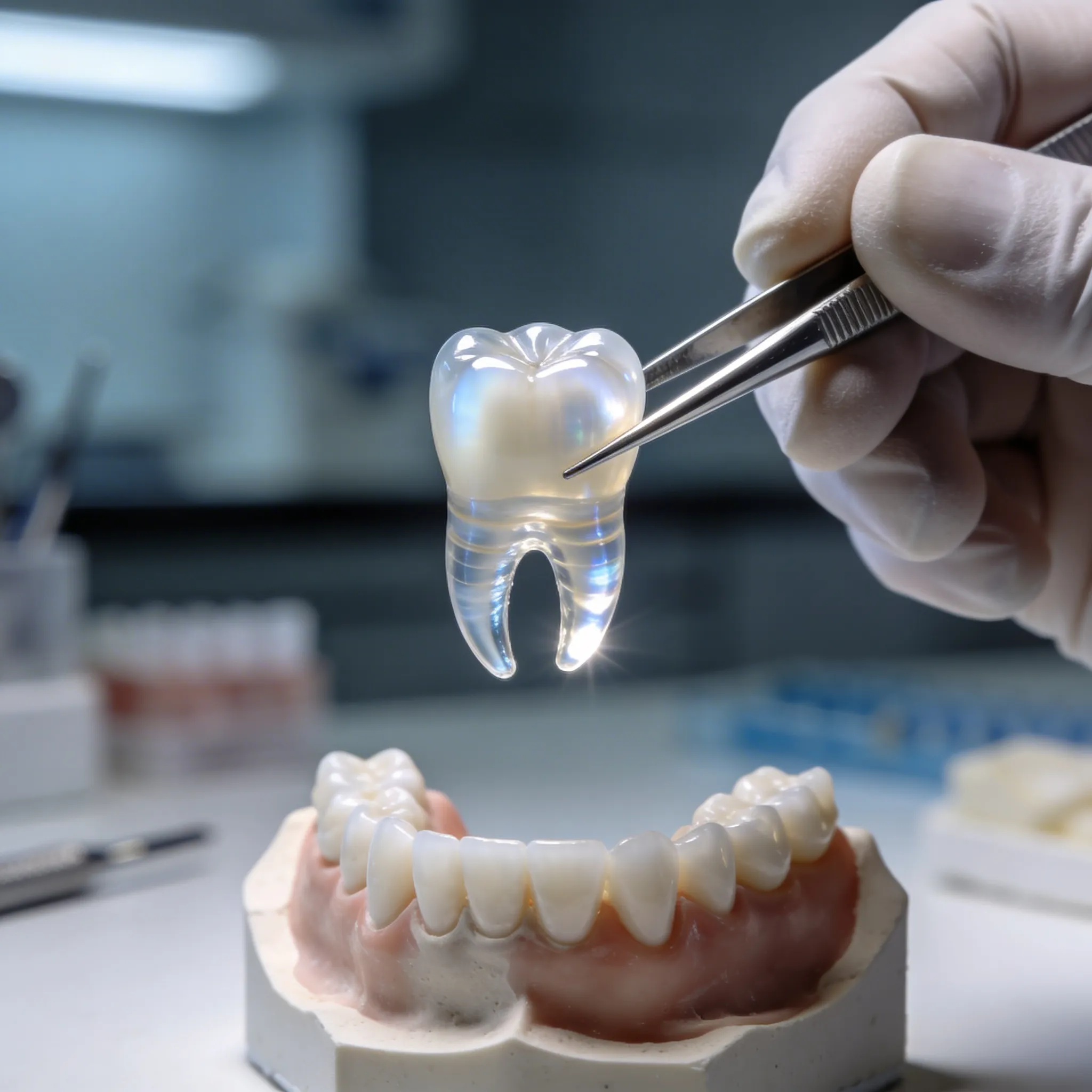
What Is General Dentistry?

Dental restorations (commonly referred to as tooth repairs or fillings) are professional treatments used to replace missing tooth structure. When the protective outer layer of your tooth (enamel) is compromised, bacteria can enter the softer inner layers, leading to decay. Restorative dentistry aims to halt this process, seal the tooth, and rebuild its natural shape so you can bite and chew comfortably.

What Problems Can Dental Restorations Address?

Restorative dental treatments may assist with a variety of common dental issues, including:

  • Tooth Decay (Cavities): Removing decayed material and sealing the area to prevent further breakdown.

  • Chipped or Broken Teeth: Rebuilding the tooth structure following trauma or injury.

  • Worn Teeth: Addressing enamel wear caused by teeth grinding (bruxism) or acid erosion.

  • Failing Older Restorations: Replacing old or damaged amalgam (silver) fillings that are no longer structurally sound.

Diagram showing a dental crown being placed over a prepared natural tooth structure

What Is General Dentistry?

Dental restorations (commonly referred to as tooth repairs or fillings) are professional treatments used to replace missing tooth structure. When the protective outer layer of your tooth (enamel) is compromised, bacteria can enter the softer inner layers, leading to decay. Restorative dentistry aims to halt this process, seal the tooth, and rebuild its natural shape so you can bite and chew comfortably.

What Problems Can Dental Restorations Address?

Restorative dental treatments may assist with a variety of common dental issues, including:

  • Tooth Decay (Cavities): Removing decayed material and sealing the area to prevent further breakdown.

  • Chipped or Broken Teeth: Rebuilding the tooth structure following trauma or injury.

  • Worn Teeth: Addressing enamel wear caused by teeth grinding (bruxism) or acid erosion.

  • Failing Older Restorations: Replacing old or damaged amalgam (silver) fillings that are no longer structurally sound.

What Causes Tooth Damage?

Tooth structure can be compromised by several everyday factors. Plaque buildup and a high-sugar diet are the primary contributors to tooth decay. Accidental trauma, such as a sports injury or biting down on something hard, can cause sudden fractures. Additionally, long-term habits like clenching or grinding your teeth can gradually wear away healthy enamel over time.

Affordable Dental Restorations Sunbury

Types of Dental Restorations

We offer several types of restorations to suit different clinical needs. The appropriate option will be determined following a comprehensive examination.

Tooth-Coloured Fillings

Also known as composite fillings, these are used for mild to moderate tooth decay. They bond directly to the tooth structure and are matched to the natural shade of your teeth.

Composite Fillings

Composite resin is a versatile material. In addition to treating cavities, it can be used to repair minor chips or close small gaps between teeth (a process known as composite bonding).

Dental Crowns

When a tooth is heavily decayed, fractured, or has undergone root canal treatment, a filling may not provide enough structural support. A dental crown is a custom-made "cap" that encases the entire visible portion of the tooth.

Porcelain Crowns

Porcelain crowns are designed to closely mimic the translucency and strength of natural tooth enamel. They are a popular choice for restoring both the function and appearance of damaged teeth.

Dental Bridges

If you are missing one or more consecutive teeth, a dental bridge may be recommended. A bridge consists of an artificial tooth anchored in place by dental crowns attached to the healthy natural teeth on either side of the gap.

Inlays and Onlays

For damage that is too extensive for a standard filling but not severe enough to require a full crown, inlays and onlays offer a middle ground. These custom-made restorations fit perfectly into or over the cusps (edges) of a damaged tooth.

Family Dental Restorations Sunbury

Porcelain Crowns

Porcelain crowns are designed to closely mimic the translucency and strength of natural tooth enamel. They are a popular choice for restoring both the function and appearance of damaged teeth.

Dental Bridges

If you are missing one or more consecutive teeth, a dental bridge may be recommended. A bridge consists of an artificial tooth anchored in place by dental crowns attached to the healthy natural teeth on either side of the gap.

Inlays and Onlays

For damage that is too extensive for a standard filling but not severe enough to require a full crown, inlays and onlays offer a middle ground. These custom-made restorations fit perfectly into or over the cusps (edges) of a damaged tooth.

Who May Benefit From Dental Restorations?

Dental restorations are suitable for children, teenagers, and adults who have experienced tooth decay, structural damage, or wear. We provide individualised care for families and proudly support the Child Dental Benefits Schedule (CDBS) for eligible patients.

Tooth Repair Sunbury

Assessment and Treatment Planning

Every smile is different. Your journey begins with a comprehensive consultation at our Sunbury clinic. Dr Nita Kumari and our team will perform a thorough examination, which may include digital X-rays, to assess the extent of the damage. We will then discuss your options, expected outcomes, and outline a tailored treatment plan.

Dental Restoration Treatment Process

While minor fillings can often be completed in a single visit, more complex restorations like crowns require a staged approach.
Here is a visual overview of how a standard dental crown procedure works:

Benefits of Dental Restorations

Professional restorative care is designed to help:

  • Protect vulnerable teeth from further infection or decay.

  • Restore comfortable biting and chewing function.

  • Maintain natural tooth alignment by preventing surrounding teeth from shifting.

  • Improve the overall appearance of damaged teeth.

Treatment Considerations

Please note that all dental procedures carry some considerations. The suitability of a restoration depends on the amount of healthy tooth structure remaining. A thorough clinical assessment is required before any treatment can commence.

Potential Risks and Limitations

As with any medical or dental procedure, individual results vary. Potential risks may include temporary post-treatment sensitivity, the need for future adjustments, or the eventual replacement of the restoration due to natural wear and tear.

Looking After Your Dental Restorations

Restored teeth still require diligent care. To help extend the life of your restorations, brush twice daily with fluoride toothpaste, floss regularly, and maintain routine check-ups at our clinic. Avoid using your teeth as tools (e.g., opening packaging) and limit excessive consumption of sugary or highly acidic foods.

Dental Restorations
Dental Restorations

Treatment Considerations

Please note that all dental procedures carry some considerations. The suitability of a restoration depends on the amount of healthy tooth structure remaining. A thorough clinical assessment is required before any treatment can commence.

Potential Risks and Limitations

As with any medical or dental procedure, individual results vary. Potential risks may include temporary post-treatment sensitivity, the need for future adjustments, or the eventual replacement of the restoration due to natural wear and tear.

Looking After Your Dental Restorations

Restored teeth still require diligent care. To help extend the life of your restorations, brush twice daily with fluoride toothpaste, floss regularly, and maintain routine check-ups at our clinic. Avoid using your teeth as tools (e.g., opening packaging) and limit excessive consumption of sugary or highly acidic foods.

Restorative Dentistry Sunbury

Recovery and Aftercare

Following a restoration, it is normal to experience mild sensitivity to temperature changes for a few days. If local anaesthetic was used, take care not to bite your lip or cheek while the area is numb. If you experience persistent pain or if your bite feels uneven, contact our clinic for a review.

Cost Considerations

The cost of dental restorations varies depending on the size of the repair and the materials used. During your consultation, we provide a transparent, itemised treatment plan. We accept all major health funds via HICAPS for convenient on-the-spot claiming.

Experiencing tooth pain, sensitivity, or have noticed a damaged tooth Book your consultation now

F.A.Q

A dental restoration is a clinical procedure designed to repair and restore the function, integrity, and morphology of missing tooth structure resulting from caries or external trauma. Restorations include direct treatments like composite resin fillings, and indirect treatments such as porcelain crowns, inlays, onlays, and dental bridges. Outcomes vary based on the extent of damage and individual patient factors.

We use local anaesthetic and contemporary techniques to keep you as comfortable as possible during the procedure. We also offer nitrous oxide for patients who experience dental anxiety.

The lifespan of a filling depends on its size, location in the mouth, and your daily oral hygiene habits. With good care, they are designed to provide long-lasting function.

It is usually recommended to wait until the local anaesthetic wears off before eating to avoid accidentally biting your cheek or tongue.