Dental implants are used in Sunbury Dental Group as a means of substituting missing teeth in a long-term and natural appearance. Implants are functional and esthetic restorations of your smile without harming the health of the jawbone. Our clinic is in Unit 5/92 Evans Street, providing our patients with the patient-focused approach to implants.

Dental Implant
An all-purpose Restoration Solution
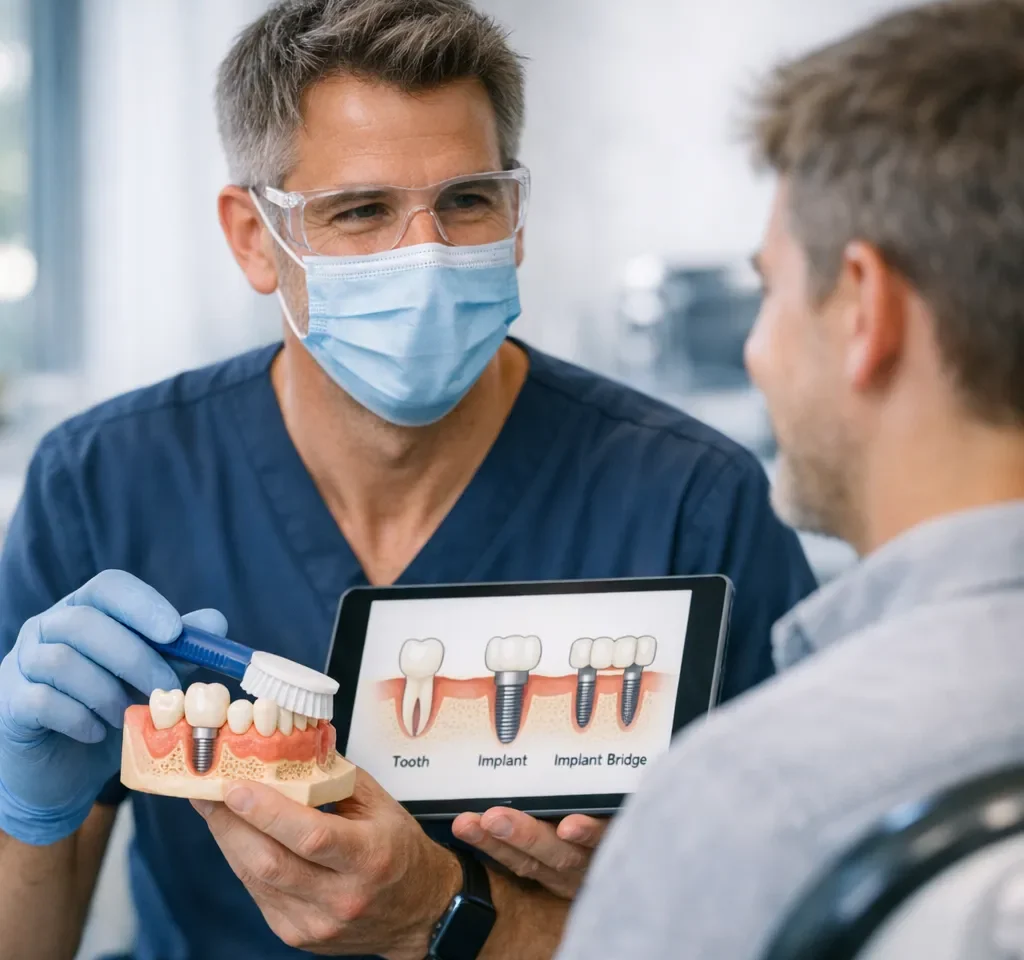
A remedy that can be used to restore your smile is dental implants. In case you either have to substitute one tooth or support two or more teeth with braces or dentures, implants are built into the bone directly and they serve as a solid foundation to the artificial teeth. The implants are superior to traditional bridges because they do not necessitate any change in the adjacent healthy teeth, thus preserving the overall strength and integrity of teeth.

An all-purpose Restoration Solution
A remedy that can be used to restore your smile is dental implants. In case you either have to substitute one tooth or support two or more teeth with braces or dentures, implants are built into the bone directly and they serve as a solid foundation to the artificial teeth. The implants are superior to traditional bridges because they do not necessitate any change in the adjacent healthy teeth, thus preserving the overall strength and integrity of teeth.
The benefits of Dental Implants
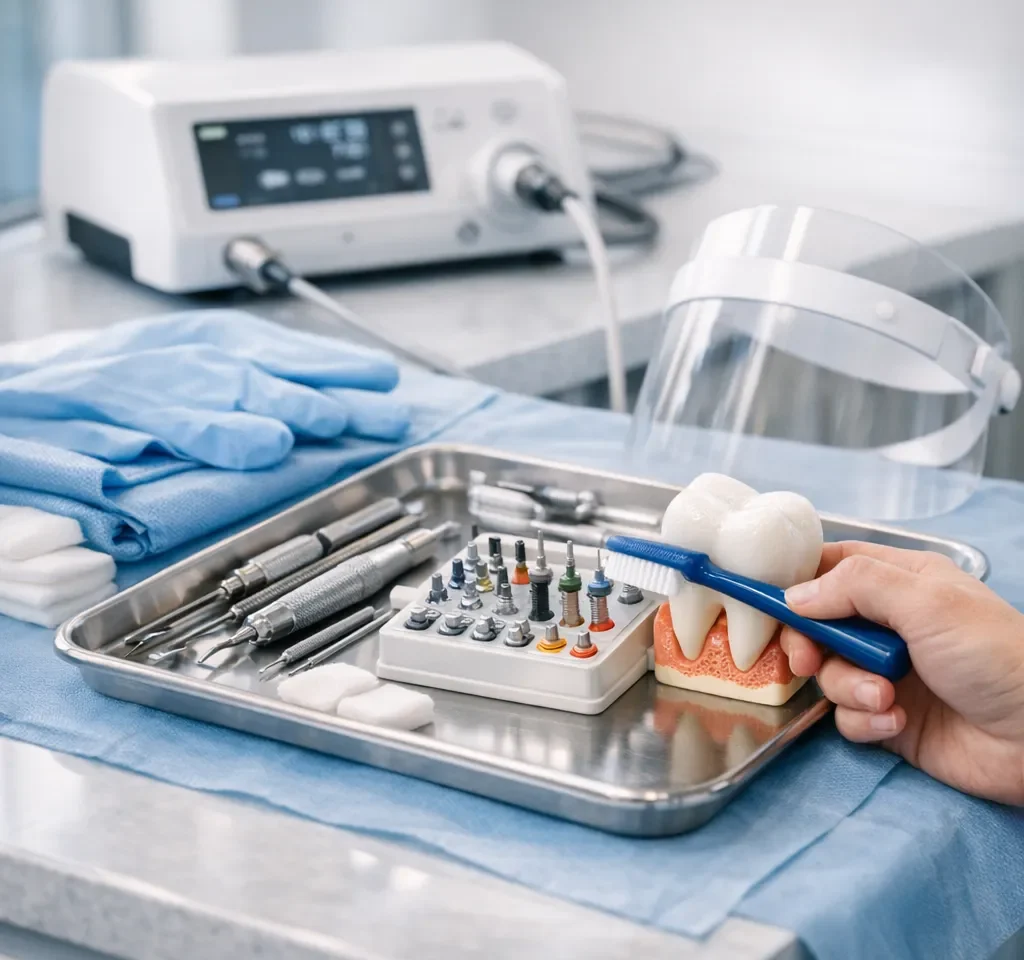
The use of implants has many advantages other than substituting the missing teeth. They also assist in gum recession and bone loss in the tooth lost regions which may preserve the facial structure and avoid the sunken look commonly associated with loss of teeth. Bite strength, speech and the ability to eat comfortably and confidently are also restored by implants.
When is it possible to have a Dental implant? The dental implants can fit the majority of patients whose jawbones are fully grown and healthy. Improper bone density is critical to the success of implants. Severe cases of gum disease, medical conditions that cannot be controlled and that are related to the health of the bones, or lack of enough bone might necessitate more treatment or bone grafting before implants are allowed. The dentists will also examine your oral health and prescribe the most effective practice to suit your needs during your consultation.
The Dental Implant Procedure
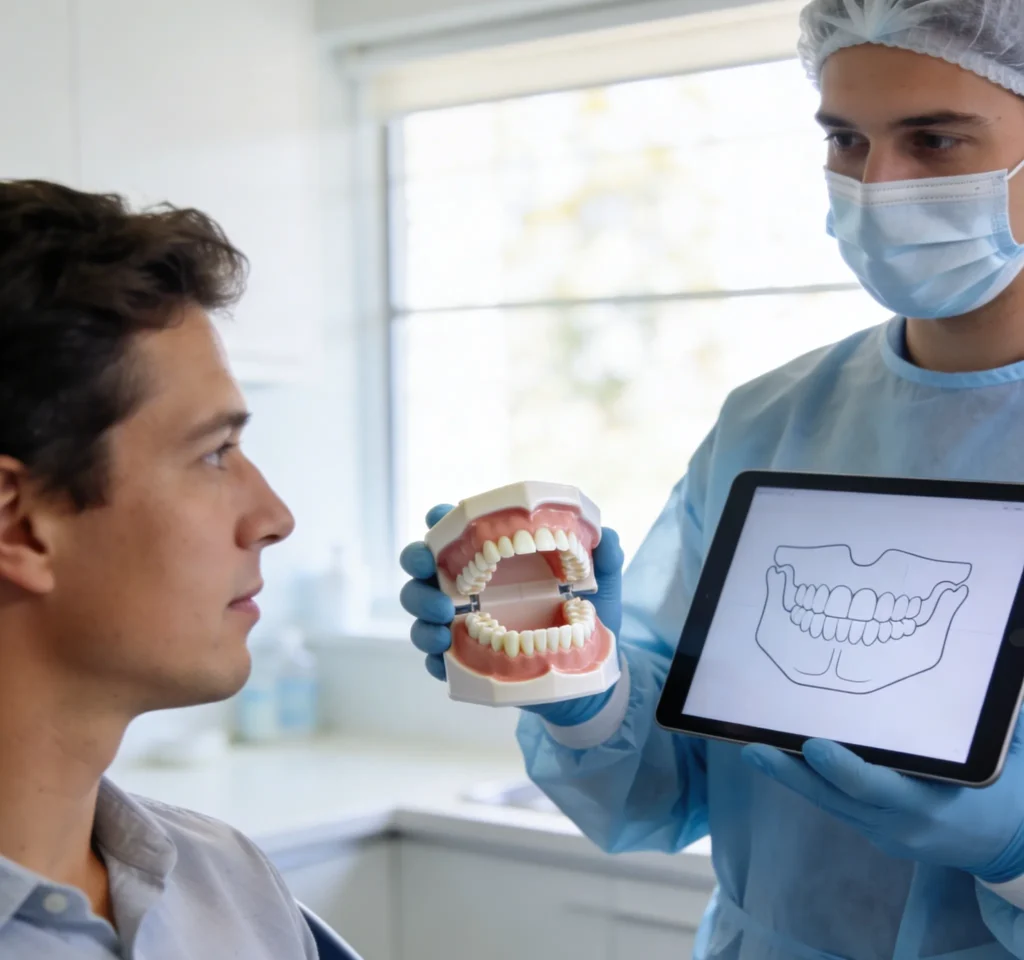
The implant process is initiated by the Sunbury Dental Group with a detailed examination, which includes X-rays or scans, to get an idea of the structure of the jawbones and place the implant in the right position. The implant is surgically implanted into the jawbone under local anaesthesia. In the next few months, the implant is integrated into the bone by a mechanism known as osseointegration, developing a solid and stable base. After full healing, a tailor-made crown, bridge or denture is fixed to the implant and this replenishes both the look and functionality.
The Dental Implant Procedure
The implant process is initiated by the Sunbury Dental Group with a detailed examination, which includes X-rays or scans, to get an idea of the structure of the jawbones and place the implant in the right position. The implant is surgically implanted into the jawbone under local anaesthesia. In the next few months, the implant is integrated into the bone by a mechanism known as osseointegration, developing a solid and stable base. After full healing, a tailor-made crown, bridge or denture is fixed to the implant and this replenishes both the look and functionality.
Disclaimer
Dental implants are a surgical procedure and are not suitable for everyone. A comprehensive suitability assessment with one of our dental professionals is required prior to commencing any implant treatment. This assessment is conducted in accordance with guidelines set by the Australian Health Practitioner Regulation Agency (AHPRA) and the Australian Dental Association (ADA), and includes a full oral health examination, review of medical and dental history, digital X-rays, and CBCT (cone beam CT) scanning to evaluate jawbone density, structure, and surrounding anatomy.
Dental implant treatment may not be recommended for patients who:
Are under 18 years of age or have a jaw that has not yet fully developed
Have untreated tooth decay, active gum disease (periodontitis), or unresolved oral infections — these must be managed prior to implant placement
Have insufficient jawbone density or volume where bone grafting is not a viable option
Have uncontrolled systemic medical conditions such as uncontrolled diabetes, autoimmune disorders, or blood-clotting disorders that may impair healing
Are undergoing or have recently undergone radiotherapy to the head or neck region
Are taking bisphosphonate medications (e.g. for osteoporosis) or high-dose corticosteroids, which may affect bone metabolism and healing
Are immunocompromised due to medical conditions or medication
Are pregnant or breastfeeding (treatment timing should be discussed with your dental and medical team)
Are current smokers or tobacco users — smoking significantly increases the risk of implant failure and post-surgical complications
Have uncontrolled bruxism (teeth grinding or clenching) that may place excessive load on the implant
Are unable to commit to the required post-operative care, oral hygiene maintenance, and follow-up appointments
Some contraindications are temporary in nature and may be resolved with appropriate preparatory treatment before implant placement is reconsidered. Each case is assessed individually.
Dental implant surgery, like all surgical procedures, carries inherent risks including infection, nerve involvement, implant failure, and delayed healing. All risks, benefits, and alternatives will be discussed with you in full during your consultation prior to any treatment commencing.
All implant treatments at Sunbury Dental Group are performed by registered dental professionals in compliance with AHPRA registration standards, the ADA Code of Professional Conduct, and applicable Australian health and safety regulations.
F.A.Q
Dental implants is the artificial roots of the teeth that are installed into the jaw bone to hold back the crowns, bridges or denture to serve as a natural-looking lasting solution to missing teeth.
Majority of patients who have full grown healthy jawbones are fit. Individuals with poor bone density, uncontrolled periodontal diseases, or some medical disorders might need extra procedures, such as bone grafting.
Implants do not need any adjustments of neighboring healthy teeth as bridges do. They maintain the strength and integrity of adjacent teeth and offer a base that helps to make the replacement teeth stable.
Dental implants enhance facial appearance, bone loss prevention, speech, tooth strength, and provide both long-term cosmetic and functional outcomes.
The surgery is done in local anesthesia as a way of making one comfortable. Contemporary methods reduce the painfulness, and in the majority of cases, the patients have mild pains after the operation.
It includes first evaluation and surgery after which, it takes a few months to allow the process of osseointegration to go on. After the process of healing, the crown, the bridge, or the denture is fixed to the implant.
Yes. Dental implants can endure over many years with proper oral care, regular dental check-ups and care and in most cases, they provide a permanent solution to missing teeth.
Absolutely. Crowns, bridges, or dentures made to suit the colour, shape and size of your natural teeth are carefully designed so as to be completely seamless and natural.
It does not need any special attention except the normal brushing, flossing and check-ups. Good oral hygiene is the guarantee of the success of the implant in the long term
Our professional experts apply their high-level technology, patient-centered care, and proper planning to provide stable, secure, and comfortable dental implant care to each patient based on his/her requirements.