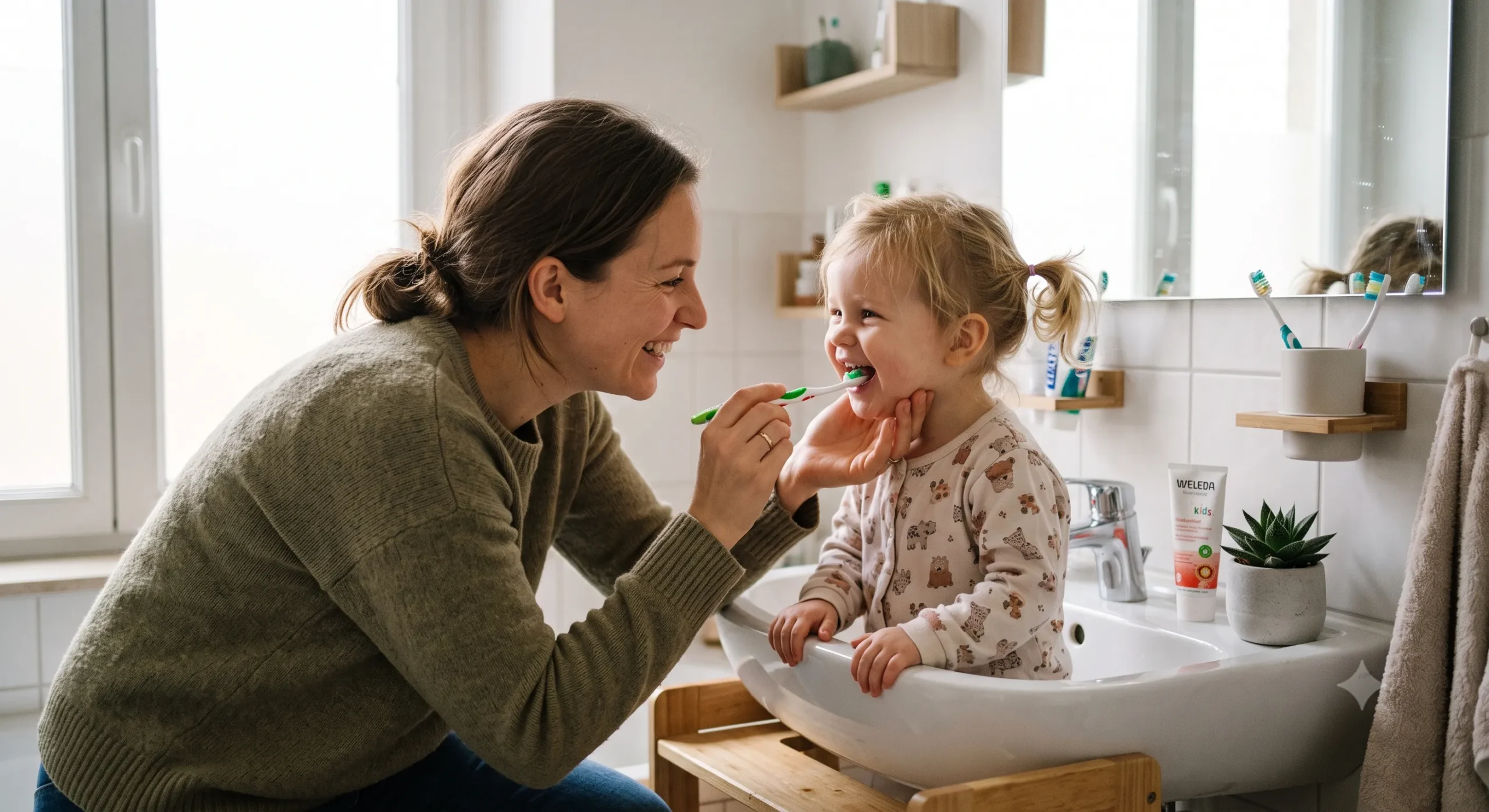
How to Prevent Cavities Baby Teeth
There’s something a bit heartbreaking about seeing decay in a toddler’s smile. So many parents come to us feeling guilty, like they missed something obvious. Honestly? You didn’t. Baby teeth decay fast, and most parents just aren’t told what to watch for until it’s already happening. That’s exactly why we put this guide together.
Overview
This guide walks you through how to prevent cavities baby teeth, from the moment that first tooth pokes through to the day your child heads off to primary school. We’ll explain what causes tooth decay prevention kids actually need, break down bottle decay specifically (because it’s one of the biggest culprits), and give you a realistic routine you can actually stick to. You’ll also find answers to the questions we hear constantly from Sunbury parents in our chair. No lectures, no guilt, just practical steps that work.
In This Article, You’ll Discover…
Why baby teeth are more vulnerable to decay than you’d expect
What bottle decay actually is, and how to stop it before it starts
The exact brushing routine to use at every age, from newborn to five
Which foods and drinks quietly cause the most damage
When to book your child’s first dental visit (it’s earlier than most people think)
Simple daily habits that make the biggest difference
Warning signs that mean it’s time to see a dentist sooner rather than later
Why Baby Teeth Decay So Easily
Baby teeth have thinner enamel than adult teeth, which means decay can move through them much faster. It’s not that your child’s teeth are somehow “worse,” it’s just biology working against you a little.
Here’s the number that tends to stop parents in their tracks: almost half of all Australian preschoolers experience tooth decay before they’ve even started school. More than two in five kids show signs of early childhood caries in their primary teeth. That’s not a small, rare problem. It’s genuinely common, and it’s largely preventable.
We say this because we want you to feel less alone in this, not more anxious. Once you understand the “why,” the “how” becomes so much easier.
What Is Bottle Decay, Exactly?
Bottle decay (sometimes called baby bottle tooth decay or nursing bottle caries) happens when a child’s teeth are exposed to sugary liquids for long stretches, usually overnight. Milk, formula, and juice all contain natural sugars, and when they pool around little teeth for hours while your child sleeps, bacteria feast on that sugar and produce acid that eats away at enamel.
The pattern is almost always the same: a baby falls asleep with a bottle in their mouth, the liquid sits there all night, and decay creeps in on the front teeth first. It’s sneaky because it doesn’t hurt at first. By the time parents notice, there’s often visible damage already.
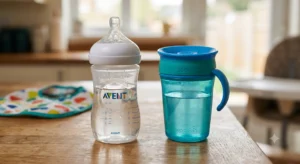
Switching from bottle to cup by 12-15 months helps protect little teeth.
The Biggest Bottle Decay Triggers
Falling asleep with a bottle containing anything other than water
Using a bottle as an all-day comfort item rather than just for feeds
Sweetened liquids like juice, cordial or soft drink in the bottle
Dipping a dummy or pacifier in honey, jam or sugar
Delaying the switch from bottle to cup well past 12 months
None of these make you a bad parent. They’re just habits that sneak in because bottles are genuinely soothing, and toddlers love routine. The fix is simpler than most parents expect.
Building a Real Prevention Routine (By Age)
Cavity prevention isn’t one big rule, it’s a handful of small habits stacked on top of each other as your child grows. Here’s how we break it down for Sunbury families.
Birth to First Tooth
Even before teeth appear, your baby’s gums need attention. Wipe them gently with a clean, damp washcloth or gauze after each feed to keep bacteria from building up.
First Tooth to 18 Months
Once that first tooth breaks through, start brushing straight away with a soft, small toothbrush and just a smear of low-fluoride toothpaste, about the size of a grain of rice. This is also the point where we recommend booking that first dental visit, ideally around your child’s first birthday.
18 Months to Five Years
Brushing becomes a twice-daily job now, morning and night, using a pea-sized amount of children’s low-fluoride toothpaste. Start introducing a cup around 12 months and aim to have bottles fully retired by 15 to 18 months at the latest.
From Age Six
Kids can move up to standard fluoride toothpaste, still just a pea-sized amount. By around eight years old, most children can manage brushing solo, but it’s worth double-checking their technique every so often.
Simple Daily Habits That Actually Work
You don’t need a complicated system. A handful of consistent habits will do more than any fancy product ever will.
Brush twice daily, morning and before bed, for two full minutes each time
Never send your child to bed with anything but water in their bottle or sippy cup
Swap juice for water as the everyday drink of choice, juice isn’t necessary for young kids at all
Avoid sharing spoons, dummies or cups, decay-causing bacteria can transfer mouth to mouth
Limit sticky snacks like dried fruit, gummy lollies and muesli bars that cling to teeth
Try to avoid constant grazing throughout the day, teeth need breaks from acid attacks
Book regular dental check-ups, don’t wait for a problem to show up first
Small habits, repeated daily, beat any single big effort. That’s just how prevention works.
What to Feed (and What to Skip) for Healthy Little Teeth
Food matters just as much as brushing. Fluoridated tap water is genuinely the best drink for oral health once your child passes 12 months. Plain full-fat milk is a solid second choice.
Try to steer clear of fruit juice altogether where you can, it’s high in sugar and acidity, and it offers little nutritional benefit that whole fruit doesn’t already provide. If your child does love a treat, offering it at mealtime rather than as a between-meal snack gives their teeth a chance to recover from acid exposure.
When to See a Dentist (Don’t Wait for Pain)
A lot of parents assume dental visits should start once all the baby teeth are in, or worse, once something looks wrong. That’s actually too late for genuine prevention.
We recommend bringing your child in by their first birthday, or as soon as that first tooth appears, whichever comes first. Early visits let us catch tiny issues before they become fillings, and they help your child grow up seeing the dentist as something normal, not scary.
Signs You Shouldn’t Wait On
White or brown spots appearing on the teeth, especially near the gum line
Visible pitting or holes in any tooth
Your child complaining of pain while eating or drinking cold things
Bad breath that doesn’t improve with brushing
Reluctance to eat on one side of their mouth
If you notice any of these, it’s worth getting checked sooner rather than later. Early decay is far easier and cheaper to treat than decay that’s had time to spread.

First dental visits by age one help set your child up for a lifetime of healthy habits
Frequently Asked Questions
At what age should I start cleaning my baby’s teeth?
Start wiping your baby’s gums with a clean, damp cloth from birth, even before teeth appear. Once the first tooth breaks through, switch to a soft baby toothbrush with a rice-sized smear of low-fluoride toothpaste.
What causes bottle decay in babies?
Bottle decay happens when sugary liquids like milk, formula or juice sit on a baby’s teeth for long periods, usually overnight, allowing bacteria to produce acid that erodes enamel. It’s most common when babies fall asleep with a bottle in their mouth.
Is it normal for baby teeth to get cavities?
Unfortunately, it’s more common than most parents realise, almost half of Australian preschoolers experience some tooth decay before starting school. That said, it’s largely preventable with the right daily habits and regular dental visits.
When should my child have their first dental check-up?
We recommend booking a first visit around your child’s first birthday, or as soon as their first tooth appears. Early visits help catch small issues before they turn into bigger problems.
Can juice cause tooth decay in toddlers?
Yes, fruit juice is high in sugar and acidity, both of which contribute to tooth decay, and it isn’t considered necessary for young children. Water and plain milk are healthier everyday choices for growing teeth.
How much toothpaste should I use for my toddler?
For children aged 18 months to five years, use just a pea-sized amount of low-fluoride children’s toothpaste. Kids under 18 months only need a rice-grain-sized smear.
The Bottom Line
Preventing cavities in baby teeth really comes down to a few consistent habits: brushing twice daily, ditching the bedtime bottle of anything but water, and getting your child in front of a dentist by their first birthday. None of this requires perfection, just consistency. Small daily choices add up to a lifetime of healthier smiles.
If it’s time for your little one’s first check-up, or you’ve noticed something that doesn’t look quite right, we’re here for Sunbury families every step of the way.
Book your appointment at Sunbury Dental Group today