
OUR CONTACTS


Unit 5/92 Evans Street, Sunbury VIC 3429 , Australia

(+61) 3 9717 7311

Dental Fillings Sunbury – Sunbury Dental Group

HomeServicesDental Fillings Sunbury – Sunbury Dental Group
Dental Fillings in Sunbury

Dental Fillings in Sunbury

A cavity, fractured edge or failing old restoration can make eating uncomfortable and leave a tooth more vulnerable to further damage. At Sunbury Dental Group, Unit 5/92 Evans St, Sunbury VIC 3429, dental fillings may be considered after an examination identifies a tooth that can be repaired with a conservative restoration.

If you have tooth sensitivity, a visible hole, a chipped tooth, or a filling that has broken or fallen out, call (03) 9717-7311 to arrange an assessment for Dental Fillings in Sunbury.

what is a dental filling?

A dental filling is a restoration used to rebuild a small-to-moderate area of a tooth affected by decay, wear, a chip or a damaged previous filling. The dentist removes compromised tooth material where necessary, prepares the area, and places a restorative material to restore shape and function.

Tooth-coloured composite fillings are made from a resin material that can be selected to blend with surrounding teeth. Whether composite is suitable depends on the tooth’s location, the extent of damage, bite forces and the condition of the remaining tooth structure.

 

When might a tooth need a filling?

A filling may be discussed when a tooth has a cavity, a small fracture, wear-related damage or an older restoration that no longer seals or functions as intended. Some decay causes no symptoms at first, which is why routine examinations remain important even when your teeth feel fine.

Book a dental examination if you notice:

  • Sharp or lingering sensitivity to cold, heat or sweet food
  • Pain when biting on one particular tooth
  • A rough, chipped or sharp edge
  • A dark area, pit or visible hole in a tooth
  • Food repeatedly packing into the same area
  • A filling that feels cracked, loose or missing
  • A tooth that catches floss or feels different when you bite
Treatment room at Sunbury Dental Group on Evans Street

When might a tooth need a filling?

A filling may be discussed when a tooth has a cavity, a small fracture, wear-related damage or an older restoration that no longer seals or functions as intended. Some decay causes no symptoms at first, which is why routine examinations remain important even when your teeth feel fine.

Book a dental examination if you notice:

  • Sharp or lingering sensitivity to cold, heat or sweet food
  • Pain when biting on one particular tooth
  • A rough, chipped or sharp edge
  • A dark area, pit or visible hole in a tooth
  • Food repeatedly packing into the same area
  • A filling that feels cracked, loose or missing
  • A tooth that catches floss or feels different when you bite

Why Choose Sunbury Dental Group

Sunbury Dental Group is located at Unit 5/92 Evans St, Sunbury VIC 3429. Dental fillings are planned after an assessment, so patients can understand what is happening with their tooth, why a particular restoration may be recommended, and what alternatives may need consideration. Dr Nita Kumari is listed by the practice with AHPRA registration number DEN0002423411. Patients can verify practitioner registration through the AHPRA public register

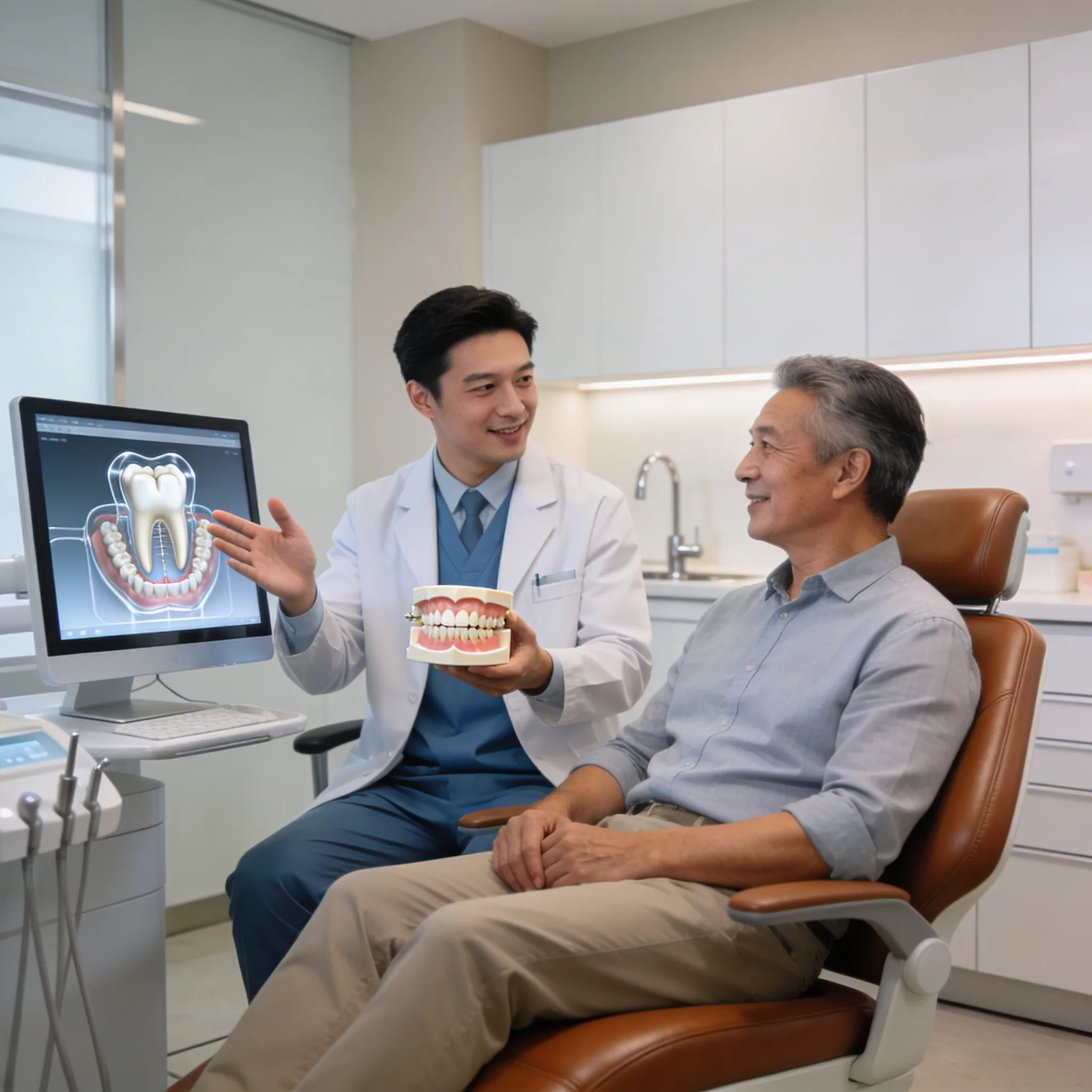
Dentist explaining a tooth filling treatment plan

What causes cavities and tooth damage?

Dental decay occurs when plaque bacteria use sugars from food and drinks and produce acids that weaken tooth enamel. Over time, the weakened area can develop into a cavity.

A tooth can also need repair without decay. Biting a hard object, a fall, sports injury, tooth grinding or long-term wear may cause a chip or crack. The cause matters because it helps determine whether a simple filling is likely to be enough or whether the tooth needs a different form of protection.

What are white or composite fillings?

A white filling usually refers to a composite resin filling. This material is placed directly into the prepared tooth, shaped to restore the missing section and hardened in stages using a dental curing light.

Composite may be chosen because it can be colour-matched to the tooth. However, appearance is only one consideration. Your dentist will also assess where the tooth sits in the mouth, how much pressure it receives when chewing, the amount of healthy tooth remaining and whether moisture control is achievable during treatment.

How is a cavity treated?

The treatment process is tailored to the individual tooth, but a filling appointment commonly follows these stages:

  1. Examination: The dentist assesses the tooth, your symptoms and any existing restoration.
  2. Diagnostic assessment: An x-ray may be recommended where clinically appropriate to check between teeth or below the visible surface.
  3. Comfort planning: Local anaesthetic may be used to numb the tooth and surrounding area.
  4. Cleaning the damaged area: Decayed, weakened or fractured tooth material is removed where required.
  5. Placing the restoration: Composite material is added in small layers and hardened.
  6. Shaping the filling: The dentist shapes and smooths the restoration to work with your natural tooth.
  7. Checking your bite: You will be asked to close your teeth together so adjustments can be made if the filling feels high.

You should be able to ask questions before treatment begins, including why a filling is recommended, whether alternatives exist and what the likely maintenance needs may be.

Dental curing light used for composite fillings

How is a cavity treated?

The treatment process is tailored to the individual tooth, but a filling appointment commonly follows these stages:

  1. Examination: The dentist assesses the tooth, your symptoms and any existing restoration.
  2. Diagnostic assessment: An x-ray may be recommended where clinically appropriate to check between teeth or below the visible surface.
  3. Comfort planning: Local anaesthetic may be used to numb the tooth and surrounding area.
  4. Cleaning the damaged area: Decayed, weakened or fractured tooth material is removed where required.
  5. Placing the restoration: Composite material is added in small layers and hardened.
  6. Shaping the filling: The dentist shapes and smooths the restoration to work with your natural tooth.
  7. Checking your bite: You will be asked to close your teeth together so adjustments can be made if the filling feels high.

You should be able to ask questions before treatment begins, including why a filling is recommended, whether alternatives exist and what the likely maintenance needs may be.

Dental fillings near Sunbury

Sunbury Dental Group is in Sunbury and may be convenient for patients travelling from Bulla, Clarkefield, Hillside, Taylors Lakes, Sydenham, Kurunjang, Mickleham, Airport West, Melton, Aintree, Greenvale, Delahey, Keilor, Kings Park, Gladstone Park, St Albans, Brookfield, Burnside, Tullamarine and Bonnie Brook. The clinic is located in Sunbury only. This page does not suggest separate practice locations in surrounding suburbs.

Dental fillings near me

When might a filling not be enough?

A filling may not be suitable if a large portion of the tooth has been lost, a crack extends too far, decay is close to or affecting the pulp, or the tooth has insufficient remaining structure to hold the restoration securely.

Depending on the findings, the dentist may discuss other options, such as:

  • Monitoring an early area of concern where clinically appropriate
  • A more extensive restoration
  • A crown to cover and protect a weakened tooth
  • Root canal assessment if the pulp may be involved
  • Extraction discussion if the tooth cannot be predictably restored

These options are not interchangeable. An individual examination is required to explain what is clinically appropriate for your tooth.

Are composite fillings suitable for children?

Composite fillings may be considered for children where a dentist determines that a filling is appropriate. The approach depends on the tooth involved, the child’s age, cooperation, the size of the cavity, oral hygiene habits and the stage of dental development. Parents are encouraged to mention any tooth pain, eating difficulties, a recent dental injury or anxiety about the appointment when booking. This gives the clinic an opportunity to plan the consultation appropriately.

What are the benefits of repairing a tooth?

Where clinically suitable, repairing a cavity or small area of damage may help:

  • Remove active decay before it becomes more extensive
  • Restore a smoother tooth surface
  • Improve comfort during chewing
  • Reduce food trapping in a damaged area
  • Protect exposed tooth structure
  • Re-establish the tooth’s shape and contact with neighbouring teeth

A filling does not make a tooth immune to future decay or fracture. Continued home care and regular dental reviews remain important.

Are there risks or limitations?

Dental fillings are a common restorative option, but every procedure has limitations. A tooth may remain sensitive for a short period after treatment, especially if decay was deep or the tooth was already inflamed. Composite restorations can stain, chip, wear or leak at their edges over time. The lifespan varies with the filling’s size, location, bite forces, oral hygiene, diet and habits such as clenching or grinding. In some cases, a filling may need repair or replacement later. If decay is deeper than expected, the dentist may need to discuss whether additional treatment is needed. No outcome can be guaranteed, and the relevant risks and alternatives should be discussed before treatment proceeds.

dentist open now
dentist open now

What are the benefits of repairing a tooth?

Where clinically suitable, repairing a cavity or small area of damage may help:

  • Remove active decay before it becomes more extensive
  • Restore a smoother tooth surface
  • Improve comfort during chewing
  • Reduce food trapping in a damaged area
  • Protect exposed tooth structure
  • Re-establish the tooth’s shape and contact with neighbouring teeth

A filling does not make a tooth immune to future decay or fracture. Continued home care and regular dental reviews remain important.

Are there risks or limitations?

Dental fillings are a common restorative option, but every procedure has limitations. A tooth may remain sensitive for a short period after treatment, especially if decay was deep or the tooth was already inflamed. Composite restorations can stain, chip, wear or leak at their edges over time. The lifespan varies with the filling’s size, location, bite forces, oral hygiene, diet and habits such as clenching or grinding. In some cases, a filling may need repair or replacement later. If decay is deeper than expected, the dentist may need to discuss whether additional treatment is needed. No outcome can be guaranteed, and the relevant risks and alternatives should be discussed before treatment proceeds.

Ready for a confident smile? Book your FREE consultation

For Cosmetic Dentistry, Braces & Invisalign, Dental Implants, and Smile Makeovers.

F.A.Q - Dental Fillings in Sunbury

Dental fillings are restorations used to repair teeth affected by decay, a chip, wear or a damaged old filling. Sunbury Dental Group, located at Unit 5/92 Evans St, Sunbury VIC 3429, can assess whether a tooth-coloured composite filling or another treatment may be appropriate. Suitability depends on the size and location of the damage, remaining tooth structure and individual oral health. To arrange an appointment, call (03) 9717-7311.

A composite filling is a tooth-coloured resin restoration used to repair a cavity, small fracture or other limited loss of tooth structure. The material is placed directly into the tooth and shaped during the appointment.

A local anaesthetic may be used so that the tooth and nearby gum are numb during treatment. You may feel pressure or vibration, but you should tell the dentist if you feel pain or discomfort. Mild sensitivity afterwards can occur and should be discussed if it persists or worsens.

There is no single lifespan for composite fillings. Their durability depends on the size and position of the restoration, chewing forces, oral hygiene, diet, tooth grinding and the condition of the remaining tooth. Regular examinations help monitor existing fillings.

A filling may be suitable for a small chip or fracture where enough healthy tooth remains. A larger break, deep crack or heavily weakened tooth may need another type of restoration, such as a crown, or a different treatment plan.

Keep the area clean, avoid chewing on that side if possible and contact a dentist. A lost filling can leave the tooth sensitive or vulnerable to further damage. Do not use household glue or attempt to permanently replace it yourself.

Not always. X-rays may be recommended if the dentist needs more information about decay between teeth, below the visible surface, around an existing filling or near the tooth pulp

No. Sensitivity can have several causes, including decay, gum recession, a cracked tooth, worn enamel, a failing restoration or tooth grinding. An examination is needed to identify the cause