OUR CONTACTS


Unit 5/92 Evans Street, Sunbury VIC 3429 , Australia

(+61) 3 9717 7311

Dental Implants in Sunbury

HomeServicesDental Implants in Sunbury
Dental Implants

Dental implants may be an option for replacing one or more missing teeth. They are designed to support a replacement tooth, bridge or, in some situations, a more extensive restoration. Whether an implant is suitable depends on your oral health, bone and gum condition, medical history, bite and treatment goals.

At Sunbury Dental Group, we provide personalised dental implant consultations for patients in Sunbury and surrounding areas. Your dentist will assess your needs, explain suitable options clearly and provide a treatment plan before you decide whether to proceed.

What is a dental implant?

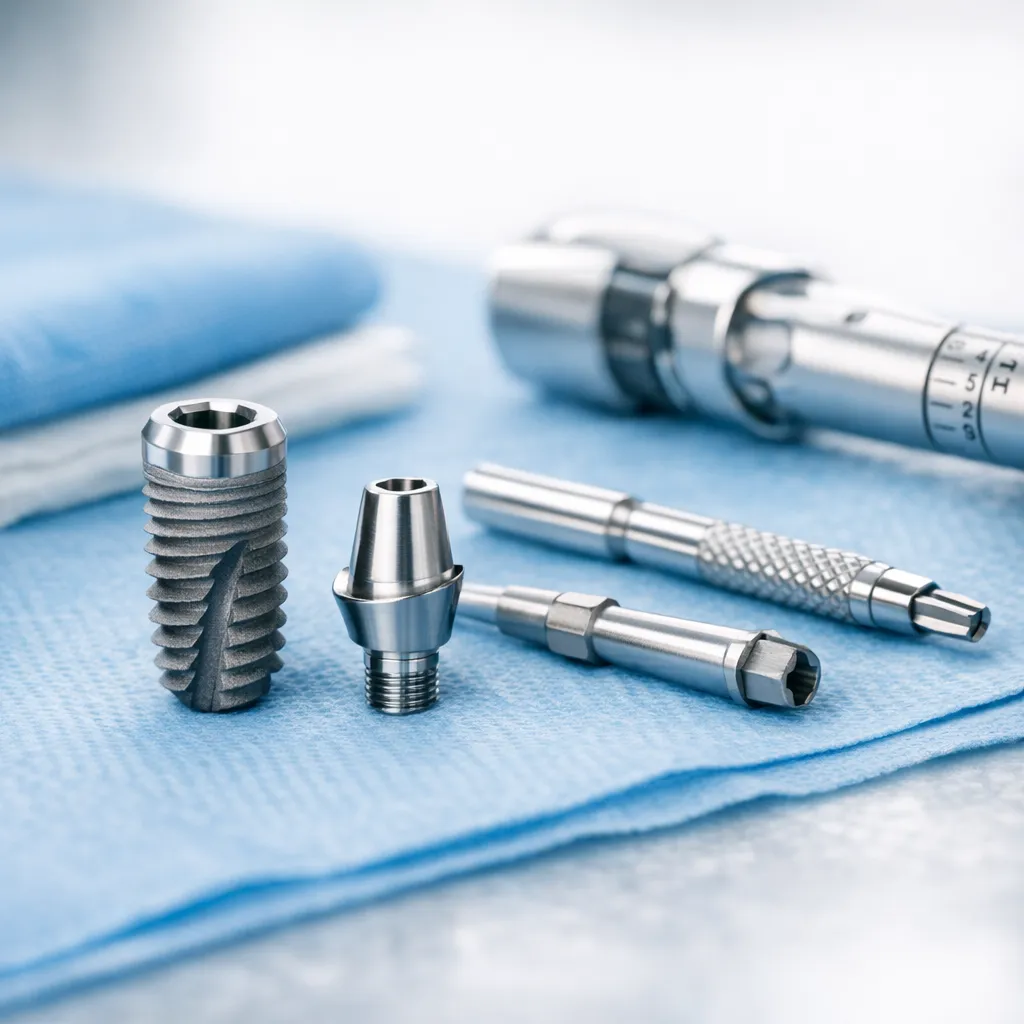
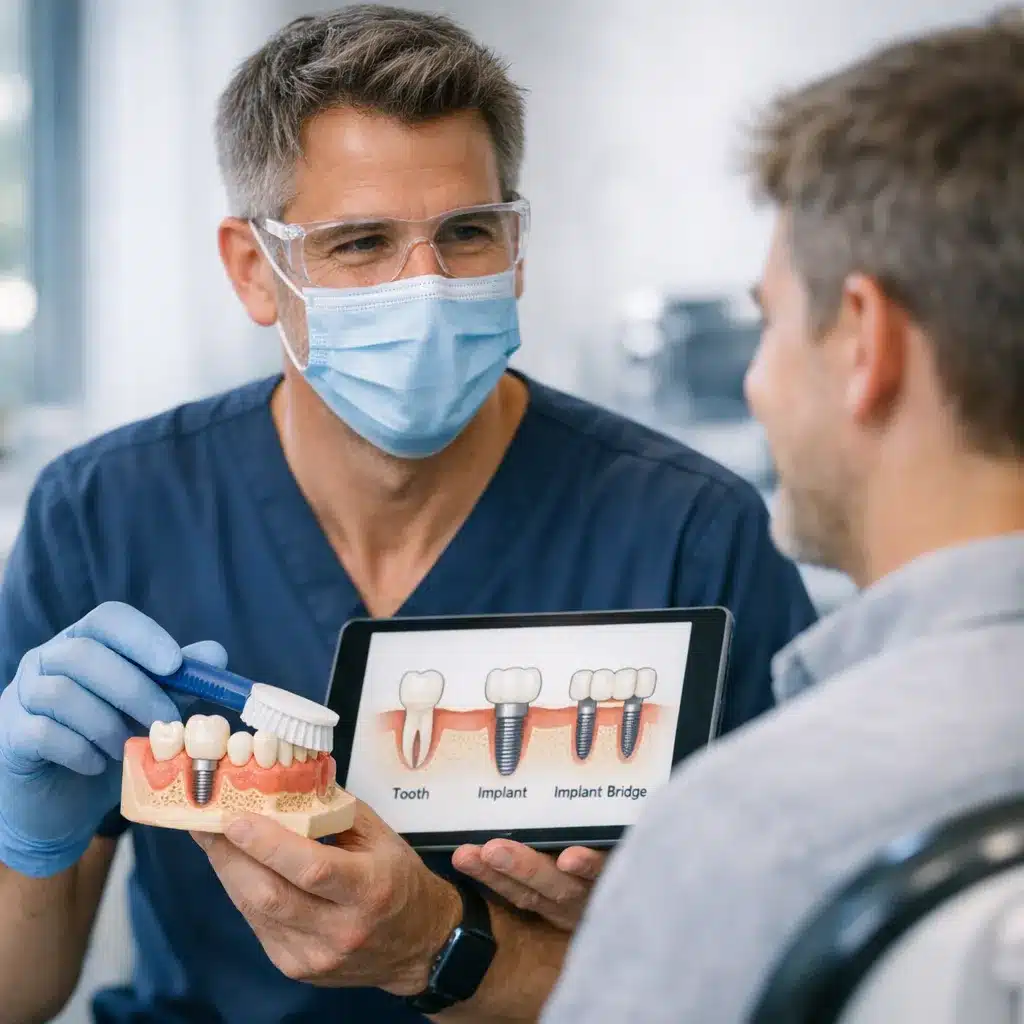
A dental implant is a small post placed into the jawbone to act as an artificial tooth root. After a healing period, it can support a custom restoration, such as a crown for one missing tooth.

Dental implants can be considered for:

  • A single missing tooth
  • Several missing teeth
  • A bridge supported by implants
  • Certain denture-stability or tooth-replacement plans

An implant is not simply a replacement tooth placed in one visit. Treatment commonly involves planning, placement, healing and fitting the final restoration. The number of appointments and overall timeline vary between patients.

sunbury dental implants

What is a dental implant?

A dental implant is a small post placed into the jawbone to act as an artificial tooth root. After a healing period, it can support a custom restoration, such as a crown for one missing tooth.

Dental implants can be considered for:

  • A single missing tooth
  • Several missing teeth
  • A bridge supported by implants
  • Certain denture-stability or tooth-replacement plans

An implant is not simply a replacement tooth placed in one visit. Treatment commonly involves planning, placement, healing and fitting the final restoration. The number of appointments and overall timeline vary between patients.

Why choose Sunbury Dental Group?

This is custom heading element

Dental Implants in Sunbury

When might you consider an implant?

For suitable patients, implant treatment may help to:

  • Replace a missing tooth or teeth
  • Support a fixed or removable replacement tooth option
  • Improve chewing function
  • Help maintain the position of nearby teeth
  • Avoid placing a conventional bridge on adjacent teeth in some cases
  • Improve denture retention in selected treatment plans

Benefits are individual and depend on factors such as your gum health, bite, bone support, oral hygiene and the type of restoration used. No dental treatment can be guaranteed to suit every person or produce the same outcome for everyone.

Is an implant right for me?

Many adults can be considered for implant treatment, but suitability needs a clinical assessment. Your dentist will look at more than the space left by the missing tooth.

Important considerations include:

  • The health of your gums and remaining teeth
  • The amount and quality of available jawbone
  • Your bite and tooth-grinding habits
  • Oral hygiene and ability to maintain the implant restoration
  • Smoking or vaping
  • Medical conditions and medications
  • Previous dental treatment, infection or trauma
  • Your goals, preferences, budget and timeframe

Sometimes treatment is straightforward. In other cases, gum treatment, an extraction, bone or soft-tissue procedures, or healing time may be needed before an implant can be considered. If an implant is not the right option, your dentist can discuss alternatives.

dental implants in near me

Is an implant right for me?

Many adults can be considered for implant treatment, but suitability needs a clinical assessment. Your dentist will look at more than the space left by the missing tooth.

Important considerations include:

  • The health of your gums and remaining teeth
  • The amount and quality of available jawbone
  • Your bite and tooth-grinding habits
  • Oral hygiene and ability to maintain the implant restoration
  • Smoking or vaping
  • Medical conditions and medications
  • Previous dental treatment, infection or trauma
  • Your goals, preferences, budget and timeframe

Sometimes treatment is straightforward. In other cases, gum treatment, an extraction, bone or soft-tissue procedures, or healing time may be needed before an implant can be considered. If an implant is not the right option, your dentist can discuss alternatives.

Dental implants for Sunbury patients

Sunbury Dental Group is located in Sunbury VIC and welcomes patients seeking implant consultations from Sunbury and nearby communities, including Diggers Rest, Riddells Creek, Bulla and Gisborne. If you are travelling from another nearby area, contact the clinic to discuss appointment availability and the best way to begin your assessment.

dental implants near me

Your implant assessment

Your first appointment is designed to give you clear information, not pressure you into a decision.

Your dentist may:

  1. Discuss the tooth or teeth you wish to replace and your main concerns.
  2. Review your dental and medical history.
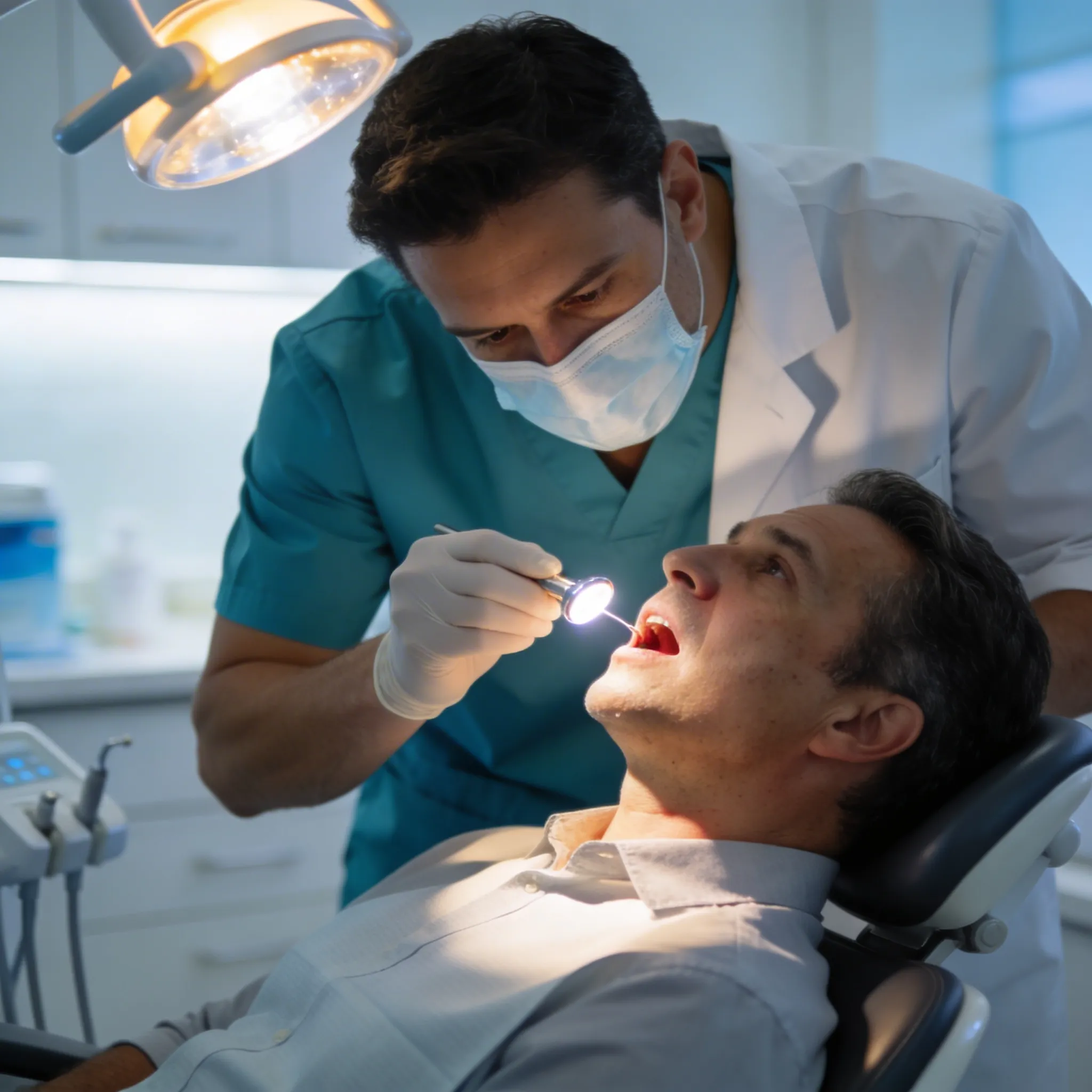
  3. Examine your teeth, gums, bite and the area of the missing tooth.
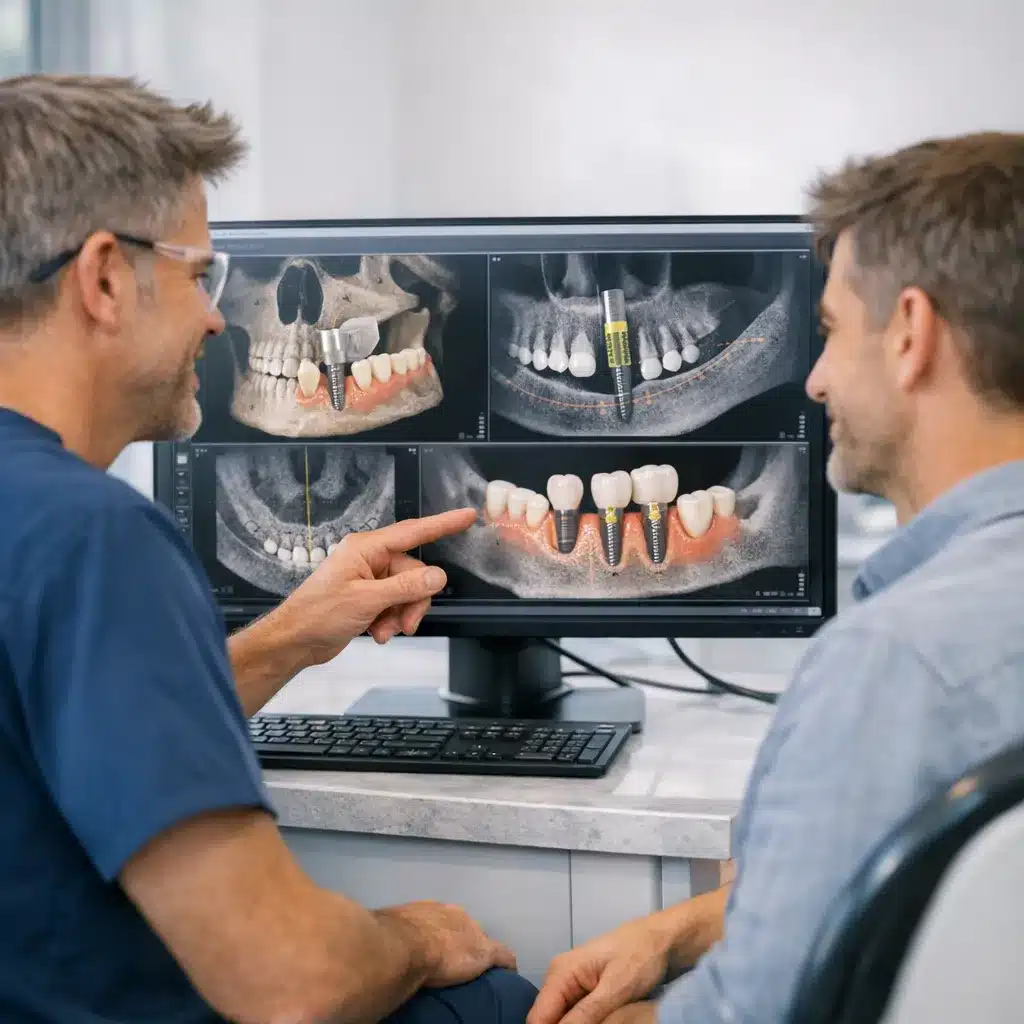
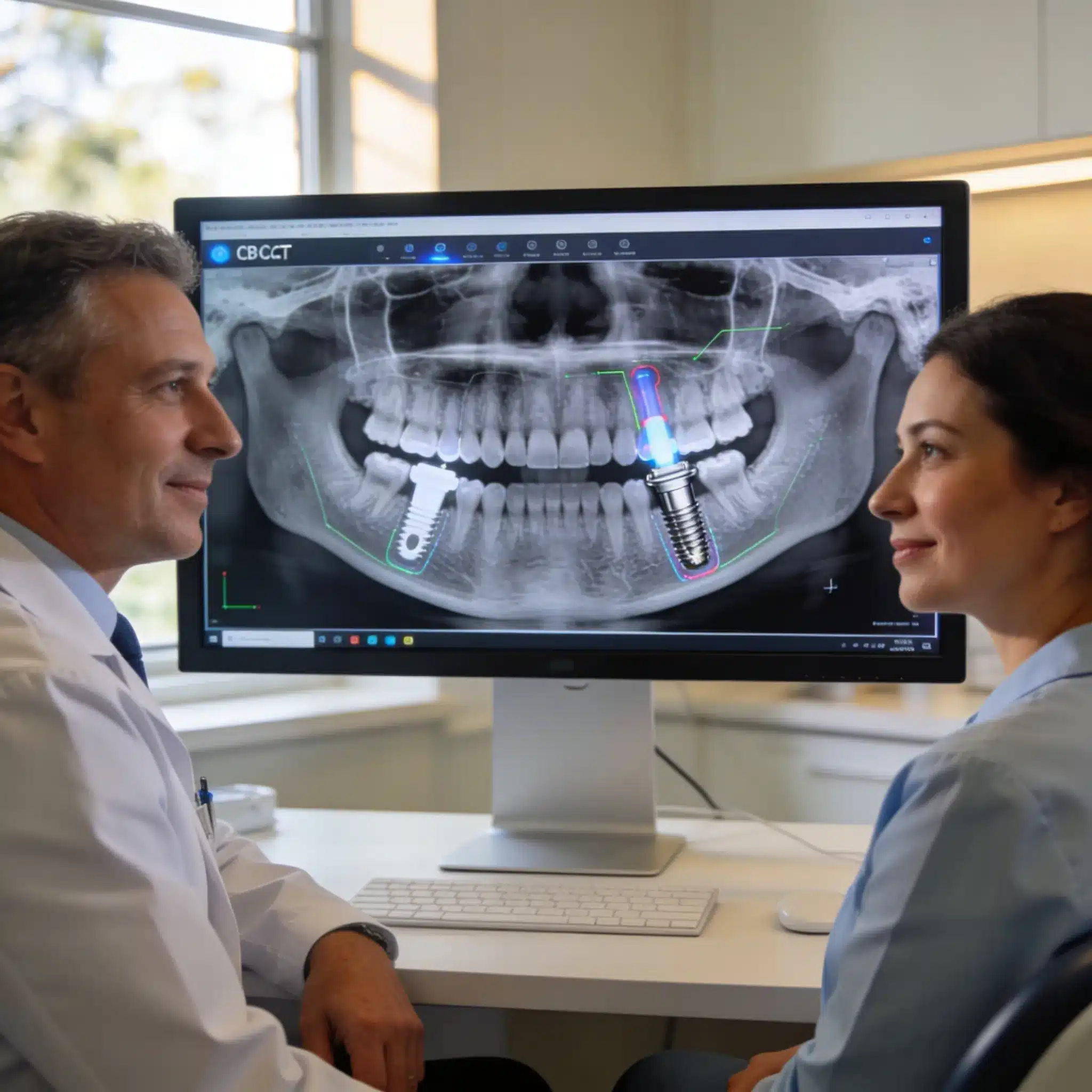
  4. Take or recommend imaging where clinically appropriate.
  5. Explain the treatment options that may be suitable.
  6. Discuss expected stages, possible risks, aftercare and likely fee factors.
  7. Provide a personalised treatment plan before treatment begins.

Please bring details of relevant medications, medical conditions and any previous dental records or imaging if you have them.

Your tooth-replacement options

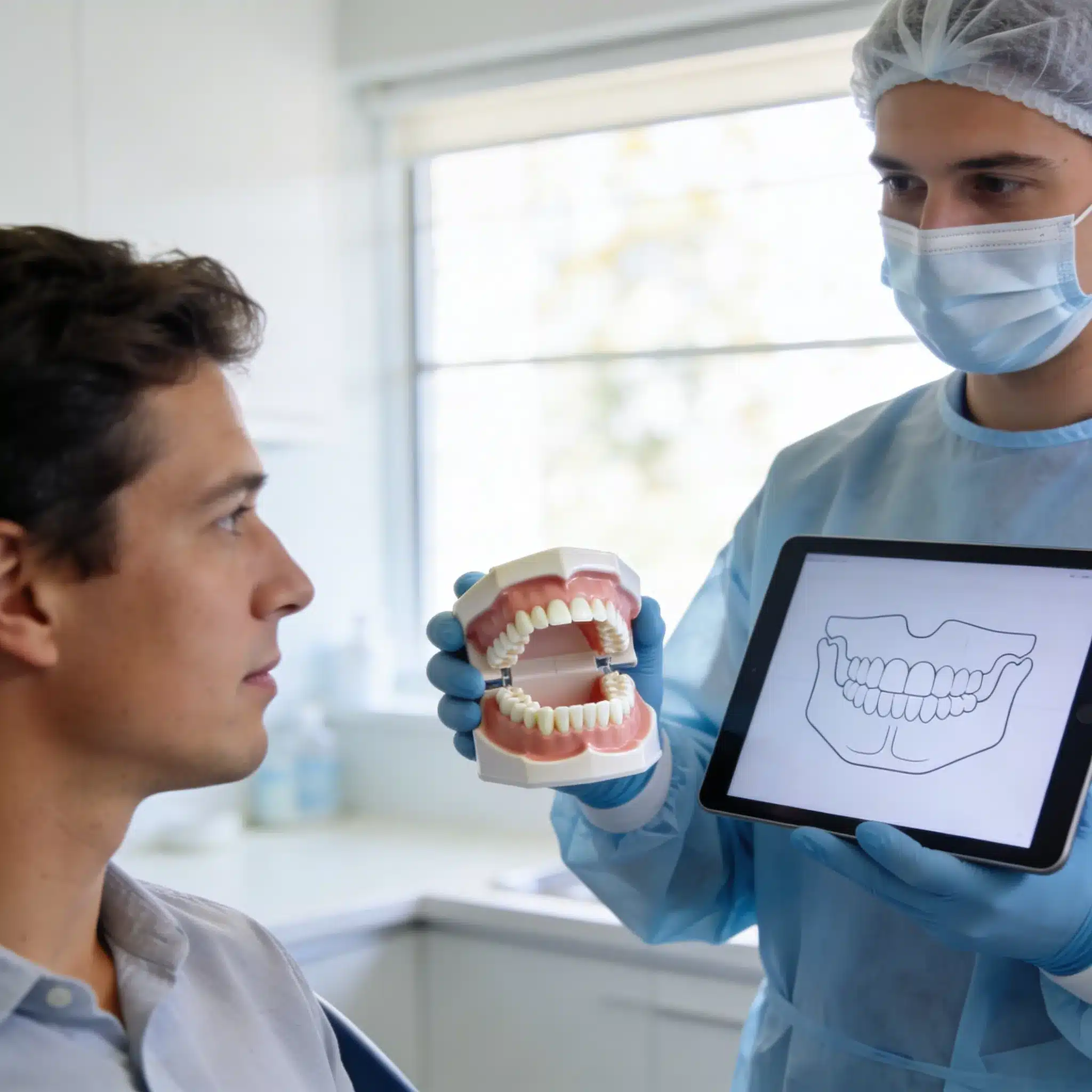
A dental implant is one way to replace a missing tooth, but it is not the only option. The most suitable choice depends on your clinical needs and preferences.

OptionHow it worksMay suit patients whoPoints to consider
Dental implant and crownAn implant supports a replacement crownWant a fixed replacement for one missing tooth and are clinically suitableRequires surgery, healing and ongoing maintenance
Conventional bridgeReplacement tooth is supported by neighbouring teethPrefer a fixed option or are not suitable for an implantMay involve preparing adjacent teeth
Removable partial dentureA removable appliance replaces one or more teethNeed a non-surgical or lower-upfront-cost optionMust be removed and cleaned; stability varies
No replacementThe gap is monitoredIn selected situations after informed discussionNearby teeth may move and chewing may be affected
dental implant sunbury

Your tooth-replacement options

A dental implant is one way to replace a missing tooth, but it is not the only option. The most suitable choice depends on your clinical needs and preferences.

OptionHow it worksMay suit patients whoPoints to consider
Dental implant and crownAn implant supports a replacement crownWant a fixed replacement for one missing tooth and are clinically suitableRequires surgery, healing and ongoing maintenance
Conventional bridgeReplacement tooth is supported by neighbouring teethPrefer a fixed option or are not suitable for an implantMay involve preparing adjacent teeth
Removable partial dentureA removable appliance replaces one or more teethNeed a non-surgical or lower-upfront-cost optionMust be removed and cleaned; stability varies
No replacementThe gap is monitoredIn selected situations after informed discussionNearby teeth may move and chewing may be affected

Ready for a confident smile? Book your FREE consultation

For Cosmetic Dentistry, Braces & Invisalign, Dental Implants, and Smile Makeovers.

Dental Implants Sunbury

What happens during treatment?

The exact sequence depends on your treatment plan, but implant treatment commonly includes the following stages.

Planning

Your dentist examines the area, reviews imaging where required and plans the position of the implant and final tooth replacement. Planning is important because the implant needs to work with your gums, bone, bite and the appearance of your smile.

Preparing the site

If a damaged tooth needs to be removed, this may happen before implant placement. Some patients need a healing period or additional preparation before moving to the next stage.

Implant placement

The implant is placed into the jawbone during a surgical procedure. Local anaesthetic is commonly used. Your dentist will discuss what to expect, how to prepare and any options that are appropriate for your circumstances.

Healing and integration

Over time, the jawbone heals around the implant. This is often called osseointegration. Healing times vary and your dentist will advise when it is appropriate to progress.

Final restoration

Once the implant site is ready, a custom crown, bridge or other restoration is made and fitted. Your dentist checks the fit, bite, comfort and ability to clean around it.


Does implant treatment hurt?

People experience dental treatment differently. During a procedure, local anaesthetic is used to manage discomfort. After treatment, it is common to have tenderness, swelling or bruising for a period of time.

Your dentist will give you tailored instructions about pain relief, food, cleaning and activities after surgery. Contact the clinic promptly if you have increasing pain, persistent bleeding, swelling that worsens, fever or another concern after treatment.

Dental Implant-1
Dental Implant-1

Does implant treatment hurt?

People experience dental treatment differently. During a procedure, local anaesthetic is used to manage discomfort. After treatment, it is common to have tenderness, swelling or bruising for a period of time.

Your dentist will give you tailored instructions about pain relief, food, cleaning and activities after surgery. Contact the clinic promptly if you have increasing pain, persistent bleeding, swelling that worsens, fever or another concern after treatment.

All-on-4 Dental Implants Sunbury

Risks and limitations

Dental implant treatment is a surgical procedure and carries risks. While many patients heal without major complications, outcomes cannot be guaranteed.

Potential risks and limitations may include:

  • Pain, swelling, bruising or bleeding after surgery
  • Infection
  • Delayed healing
  • Failure of the implant to integrate with bone
  • Gum recession or changes in the appearance of the gumline
  • Damage to nearby teeth, nerves or anatomical structures
  • Sinus-related complications in the upper jaw
  • Loosening, chipping, wear or fracture of the crown, bridge or connecting components
  • The need for further treatment, repair or replacement over time

Smoking, uncontrolled medical conditions, active gum disease, poor oral hygiene and heavy bite forces may affect risk. Your dentist will discuss the risks relevant to your individual treatment plan. You may seek a second opinion from an appropriately qualified health practitioner before proceeding.

Recovery and aftercare

Recovery varies according to the procedure performed and your health. Follow the instructions provided by your dental team.

After implant surgery, you may be advised to:

  • Rest and avoid strenuous activity for a short period
  • Eat softer foods while the area is tender
  • Avoid disturbing the surgical area
  • Take medicines only as directed
  • Maintain careful oral hygiene as instructed
  • Attend review appointments
  • Avoid smoking or vaping, as these can affect healing

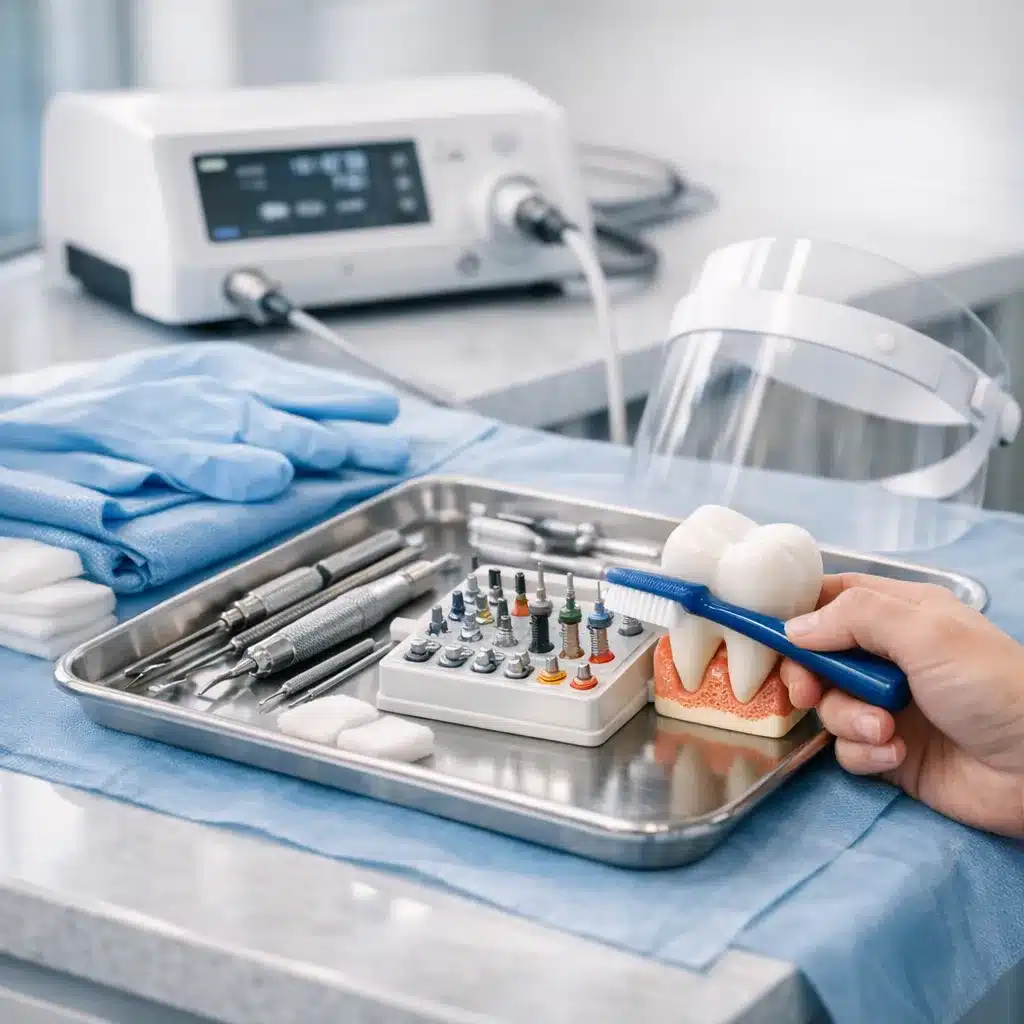
After the final tooth is fitted, ongoing care remains important. Brush twice daily, clean around the implant restoration using the tools recommended by your dentist and attend regular dental reviews. Implant-supported teeth can still develop problems with the surrounding gums and bone if plaque is not effectively managed.

All-on-4 Dental Implants Sunbury
Multiple Dental Implants Sunbury

Recovery and aftercare

Recovery varies according to the procedure performed and your health. Follow the instructions provided by your dental team.

After implant surgery, you may be advised to:

  • Rest and avoid strenuous activity for a short period
  • Eat softer foods while the area is tender
  • Avoid disturbing the surgical area
  • Take medicines only as directed
  • Maintain careful oral hygiene as instructed
  • Attend review appointments
  • Avoid smoking or vaping, as these can affect healing

After the final tooth is fitted, ongoing care remains important. Brush twice daily, clean around the implant restoration using the tools recommended by your dentist and attend regular dental reviews. Implant-supported teeth can still develop problems with the surrounding gums and bone if plaque is not effectively managed.

How much do dental implants cost?

The cost of dental implant treatment varies because each plan is individual. A written estimate can only be provided after an assessment and treatment planning.

Your total cost may depend on:

  • The number of teeth being replaced
  • Whether a tooth needs to be removed
  • The need for imaging or additional planning
  • Gum or bone preparation that may be required
  • The type of final restoration
  • The number of appointments and reviews needed
  • Whether temporary tooth replacement is required

At Sunbury Dental Group, treatment options and fees should be discussed before treatment begins. You can also ask our team about the payment options published for patients on our website.

F.A.Q

Dental implants are artificial tooth roots that may support a crown, bridge or other replacement tooth option. They can be considered for people with missing teeth, but suitability depends on the health of the gums and bone, medical history, bite, oral hygiene and treatment goals. Treatment commonly involves assessment, planning, surgical placement, healing and fitting a final restoration; risks, recovery time and costs vary between individuals.

Treatment time varies. It may include planning, any required preparatory treatment, implant placement, a healing period and fitting the final tooth. Your dentist can give you an estimated timeline after assessing your mouth and treatment needs.

In some cases, implant placement may be considered at the time of extraction. In other cases, a period of healing or additional preparation is more appropriate. This depends on factors such as infection, bone, gum condition, tooth position and bite.

Age alone does not determine suitability. Your general health, oral health, bone and gum condition, medications and ability to maintain the restoration are more important factors to assess.

The implant itself is fixed in the jawbone. The restoration it supports may be fixed or removable, depending on the treatment plan. For example, a single implant crown is usually fixed, while some implant-supported dentures are designed to be removable for cleaning.

Reduced bone volume does not automatically rule out treatment. Your dentist will assess your individual situation and explain whether other preparation, another replacement option or a referral is appropriate.

Brush twice daily, clean around the implant restoration as instructed and attend regular dental examinations and professional cleaning appointments. Implants require ongoing care just like natural teeth.

Smoking and vaping can affect healing and may increase the risk of complications. Your dentist will discuss this in the context of your health and treatment plan.

Your dentist can discuss other options, which may include a conventional bridge, removable partial denture or monitoring the space where appropriate. The right choice depends on your clinical needs and preferences.

Health-fund benefits vary by policy, annual limits, waiting periods and the item numbers involved. Check directly with your fund and ask the clinic for information relevant to your proposed treatment plan.

You can contact Sunbury Dental Group directly to arrange an assessment. If a referral or shared care is appropriate after your assessment, the clinic can discuss the next steps with you