
Signs Your Child May Need Myobrace Treatment – What Sunbury Parents Should Watch For: Signs Child Needs Myobrace Sunbury
Recognizing the signs child needs Myobrace Sunbury can be essential for your child’s oral health journey.
Overview
As a parent, you’re the first person who notices when something seems off with your child. Maybe they always seem to have their mouth open. Maybe they’ve been sucking their thumb well past toddlerhood.
Understanding the signs child needs Myobrace Sunbury allows parents to proactively manage their child’s dental development.
Identifying the signs child needs Myobrace Sunbury can help you address potential oral health issues early.
✅ Key Highlights
Learn more about why identifying the signs child needs Myobrace Sunbury is crucial for early intervention.
In this article, you’ll discover:
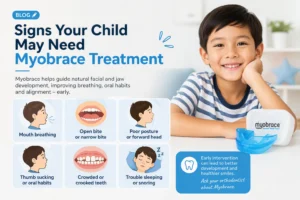
- Why mouth breathing is one of the most overlooked signs of jaw development problems in children
- How habits like thumb sucking and tongue thrusting can reshape your child’s growing jaw
- What “open mouth posture” actually means and why it matters more than most parents realise
- The age window where early intervention is most effective
- Which specific signs to watch for at home right now
- How Myobrace works as a preventive, pre-orthodontic approach
- Where Sunbury families and those in Gisborne, Woodend, and Romsey can get a professional assessment

What Is Myobrace, and Why Should Sunbury Parents Care?
For parents, knowing the signs child needs Myobrace Sunbury can lead to better dental health outcomes.
Myobrace is a preventive pre-orthodontic treatment designed for children aged 3 to 15. Rather than moving teeth after they’ve already grown in crooked, it focuses on addressing the root causes the oral habits and muscle patterns that lead to crowded teeth and poor jaw growth in the first place.
Think of it this way: braces straighten teeth after the damage is done. Myobrace tries to prevent the damage from happening at all.
For families in Sunbury, Gisborne, Woodend, Romsey, and the broader Macedon Ranges area, this kind of early intervention can be genuinely life-changing for a child’s development not just their smile.
Why Poor Oral Habits Are the Real Problem
Awareness of the signs child needs Myobrace Sunbury can prevent more serious dental issues later.
Here’s something most parents don’t realise: crooked teeth are rarely just genetic bad luck. In the majority of cases, they’re caused by incorrect oral habits during childhood.
When these habits persist, they place abnormal pressure on the developing jaw. Over time, that pressure changes the way the jaw grows, leading to narrowed arches, overcrowded teeth, and sometimes even changes to your child’s facial structure.
The good news? Children’s bones and tissues are still developing, which makes early intervention far more straightforward than trying to correct these issues in the teenage years or adulthood.
The Warning Signs to Watch For at Home
You don’t need to be a dentist to notice these things you just need to know what to look for.
Recognizing these signs child needs Myobrace Sunbury can greatly benefit your child’s oral health.
1. Your Child Breathes Through Their Mouth
This is one of the biggest red flags. If your child consistently breathes through their mouth especially when they’re resting, watching TV, or sleeping that’s worth paying attention to.
Mouth breathing changes the pressure inside the mouth and can alter how the upper jaw develops, often leading to a narrower palate and less room for the teeth to grow in properly. It also disrupts sleep quality and can affect concentration at school.
What to watch for:
- Mouth open during sleep or rest
- Snoring or noisy breathing at night
- Dry, cracked lips when your child wakes up
- Frequent stuffy nose that never seems to clear
2. They’re Still Sucking Their Thumb (or a Dummy) Past Age 3
Understanding the signs child needs Myobrace Sunbury helps in making informed decisions for your child’s treatment.
Thumb sucking and prolonged dummy use are completely normal in babies and very young toddlers. But if this habit carries on past three years of age, it can start affecting how the jaw and teeth develop.
The sustained pressure from sucking habits can push the front teeth forward and change the shape of the palate over time. This is the kind of structural change that’s far easier to address early than later.
3. You Notice Open Mouth Posture
“Open mouth posture” simply means your child’s lips aren’t resting together when they’re not eating or speaking. It sounds minor, but it’s actually a significant sign that the lips and tongue aren’t doing their job of supporting the jaw from the outside.
When the tongue isn’t resting correctly on the roof of the mouth and the lips aren’t gently sealed the jaw doesn’t get the muscular support it needs to develop properly.
4. Their Teeth Look Crowded, Crooked, or Gappy
Noticing the signs child needs Myobrace Sunbury can prompt timely dental evaluations.
Visible crowding or misalignment in a child’s teeth even their baby teeth can be an early indicator of underlying jaw development issues. It doesn’t necessarily mean they’ll need braces, but it’s a signal worth investigating with a dentist who understands myofunctional development.
Crowded teeth in children are often a sign of an underdeveloped jaw rather than simply “too many teeth.”
5. They Have a Tongue Thrust or Unusual Swallowing Pattern
Watch how your child swallows. Does their tongue push forward between their teeth? Do their lips scrunch or move unusually when they swallow?
Tongue thrusting, where the tongue pushes against or between the teeth during swallowing, places repeated forward pressure on the teeth throughout the day.
6. Speech Difficulties, Particularly Lisping
Be mindful of the signs child needs Myobrace Sunbury to ensure proper growth and development.
A lisp isn’t just a cute quirk; it can point to an underlying issue with tongue posture or placement.
7. Restless Sleep, Snoring, or Suspected Sleep Issues
Children who breathe through their mouths at night are more likely to experience disrupted sleep. If your child is a restless sleeper, frequently wakes up, or seems tired despite getting enough hours in bed, poor nasal breathing may be a contributing factor.

Why the Window of Opportunity Matters
Recognizing the signs child needs Myobrace Sunbury is the first step toward a healthier smile.
If you’re reading this and ticking boxes in your head, don’t panic but don’t wait either. The most effective time to address these habits is during the years when the jaw is still actively growing.
Here’s a rough guide to the key age windows for Myobrace assessment:
- Ages 3–5: Habit correction is simplest at this stage. Basic appliances and exercises can redirect development early.
- Ages 6–10: The jaw is growing rapidly. Addressing tongue posture, breathing, and arch development during this window produces strong results.
- Ages 11–15: Intervention is still possible and worthwhile, though it may involve more complex approaches alongside arch development work.
The earlier the conversation starts, the more options there are.
Understanding the signs child needs Myobrace Sunbury can encourage families to seek early treatment.
How Myobrace Actually Works
Myobrace treatment involves removable appliances that are worn for one to two hours during the day and overnight while sleeping. Combined with a series of simple daily exercises, the goal is to retrain the oral muscles teaching your child to breathe through their nose, rest their tongue on the roof of their mouth, swallow correctly, and keep their lips together at rest.
It’s not a passive process. The exercises and daily wear are important, and parent involvement at home makes a real difference to how well the treatment works.
Treatment typically unfolds across a few stages:
- Stage 1 – Habit Correction: Retraining breathing, tongue position, swallowing, and lip posture
- Stage 2 – Arch Development: Widening the upper jaw to create space for the teeth and tongue (where needed, particularly in children over 7)
- Stage 3 – Dental Alignment: Guiding the teeth into better alignment as the jaw develops naturally
What to Do If You Recognise These Signs in Your Child
Being aware of the signs child needs Myobrace Sunbury is key to ensuring your child’s dental health.
The most important thing you can do is book a professional assessment. Don’t try to self-diagnose or assume the habits will disappear on their own — some do, but many don’t, and the longer they persist, the more impact they have on jaw development.
At Sunbury Dental Group, we welcome families from across Sunbury, Gisborne, Woodend, Romsey, and surrounds for children’s dental assessments. Whether you’ve noticed one of the signs above or several, a thorough evaluation will give you clarity about what’s happening with your child’s oral development and what options may be appropriate.
Conclusion
The signs are often right in front of us: a mouth that never quite closes, a persistent snore, teeth that look crowded too early.
If you’ve spotted any of the signs covered in this article—mouth breathing, open mouth posture, thumb sucking past toddlerhood, tongue thrusting, or crowded teeth—the most valuable thing you can do right now is get a professional opinion.
The signs child needs Myobrace Sunbury can often lead to better long-term outcomes for dental health.
At Sunbury Dental Group, we love helping families in Sunbury, Gisborne, Woodend, Romsey, and the surrounding Macedon Ranges community understand their children’s dental development. Our team is here to listen, explain, and work with you, not at you.
Paying attention to the signs child needs Myobrace Sunbury can help avoid more complex treatments later.
declaimer :
This article is intended as general educational information only. It does not constitute dental or medical advice. Please consult a qualified dental professional to discuss your child’s individual circumstances and treatment options.
FAQ Content for the Page
What is Myobrace and how is it different from braces?
Myobrace is a preventive, pre-orthodontic treatment for children aged 3 to 15 that targets the oral habits and muscle patterns causing crowded teeth and poor jaw growth, rather than moving teeth after they’ve already grown in crooked. Braces straighten teeth after the damage is done, while Myobrace tries to prevent the damage from happening in the first place.
What are the main warning signs my child might need Myobrace?
Key signs include mouth breathing (especially during sleep or rest), thumb sucking or dummy use past age 3, open mouth posture where lips don’t rest together, visibly crowded or gappy teeth, tongue thrusting during swallowing, lisping, and restless or noisy sleep. Noticing even one or two of these signs is worth a professional assessment rather than waiting for more to appear.
Why is mouth breathing considered such a serious red flag?
Mouth breathing changes the pressure inside the mouth and can alter how the upper jaw develops, often leading to a narrower palate and less room for teeth to grow in properly. It also disrupts sleep quality and can affect a child’s concentration at school, making it one of the most overlooked but impactful signs parents should watch for.
Is it normal for my child to still suck their thumb, and when does it become a problem?
Thumb sucking and dummy use are completely normal in babies and young toddlers, but if the habit continues past age 3, the sustained pressure can push front teeth forward and reshape the palate over time. This is a structural change that’s far easier to address early than once your child is older.
What age is best to start Myobrace treatment?
Ages 3 to 5 offer the simplest window, since basic appliances and exercises can redirect development early, while ages 6 to 10 see rapid jaw growth that produces strong results when tongue posture, breathing, and arch development are addressed. Intervention between ages 11 and 15 is still possible and worthwhile, though it may require more complex approaches alongside arch development work.
How does Myobrace treatment actually work day to day?
Myobrace uses removable appliances worn for one to two hours during the day and overnight during sleep, combined with daily exercises that retrain a child to breathe through their nose, rest their tongue on the roof of the mouth, swallow correctly, and keep their lips together at rest. Parent involvement at home matters significantly, since consistent wear and exercise completion directly affect how well the treatment works.
What are the stages of Myobrace treatment?
Treatment unfolds across three stages: Stage 1 retrains breathing, tongue position, swallowing, and lip posture; Stage 2 widens the upper jaw to create space for teeth and tongue, particularly for children over 7; and Stage 3 guides teeth into better alignment as the jaw develops naturally. This staged approach reflects Myobrace’s focus on correcting root causes before addressing tooth position.
Does crowded or crooked baby teeth automatically mean my child needs braces later?
Not necessarily — visible crowding or misalignment, even in baby teeth, is often a sign of an underdeveloped jaw rather than simply having too many teeth. It’s a signal worth investigating with a dentist who understands myofunctional development, since early correction may reduce or eliminate the need for braces down the track.
Where can Sunbury-area families get a Myobrace assessment?
Sunbury Dental Group welcomes families from Sunbury, Gisborne, Woodend, Romsey, and the broader Macedon Ranges area for children’s dental assessments. The practice is independently owned and operated, with no affiliation to corporate dental networks in the region.