OUR CONTACTS


Unit 5/92 Evans Street, Sunbury VIC 3429 , Australia

(+61) 3 9717 7311

Dental Braces in Sunbury

Home • Services • Orthodontic Treatment Sunbury • Dental Braces in Sunbury
Braces

At Sunbury Dental Group, we provide comprehensive orthodontic assessments and dental braces for children, teenagers, and adults. Led by Dr Nita Kumari, our team understands that deciding to undergo orthodontic treatment is a significant step. We take the time to listen to your concerns, explain your options clearly, and map out a treatment plan tailored to your specific dental needs. With our clinic open seven days a week, we offer convenient scheduling for your regular adjustments and are here to support you if you experience an unexpected breakage over the weekend.

Quick Answer Summary

  • What are they? Orthodontic devices used to gradually align teeth and correct bite issues.

  • Options available: Traditional metal braces and tooth-coloured ceramic braces.

  • Who are they for? Children, teenagers, and adults requiring moderate to complex tooth movements.

  • First step: A comprehensive orthodontic consultation including digital X-rays and an oral examination.


What Are Dental Braces?

Dental braces are fixed orthodontic appliances designed to gently and steadily shift teeth into a more functional and aligned position. They consist of small brackets attached to the front surface of the teeth, connected by a specialized metal wire (the archwire). Over time, the tension applied by this wire encourages the teeth to move through the jawbone into their targeted positions.

Who May Benefit From Braces?

Orthodontic treatment is highly individualized. Braces may assist patients who are experiencing:

  • Difficulty chewing or biting efficiently due to misaligned jaws.

  • Speech issues related to severe jaw or bite alignment.

  • Challenges cleaning between severely crowded teeth, which can contribute to plaque buildup.

  • Uneven wear on tooth enamel caused by an improper bite

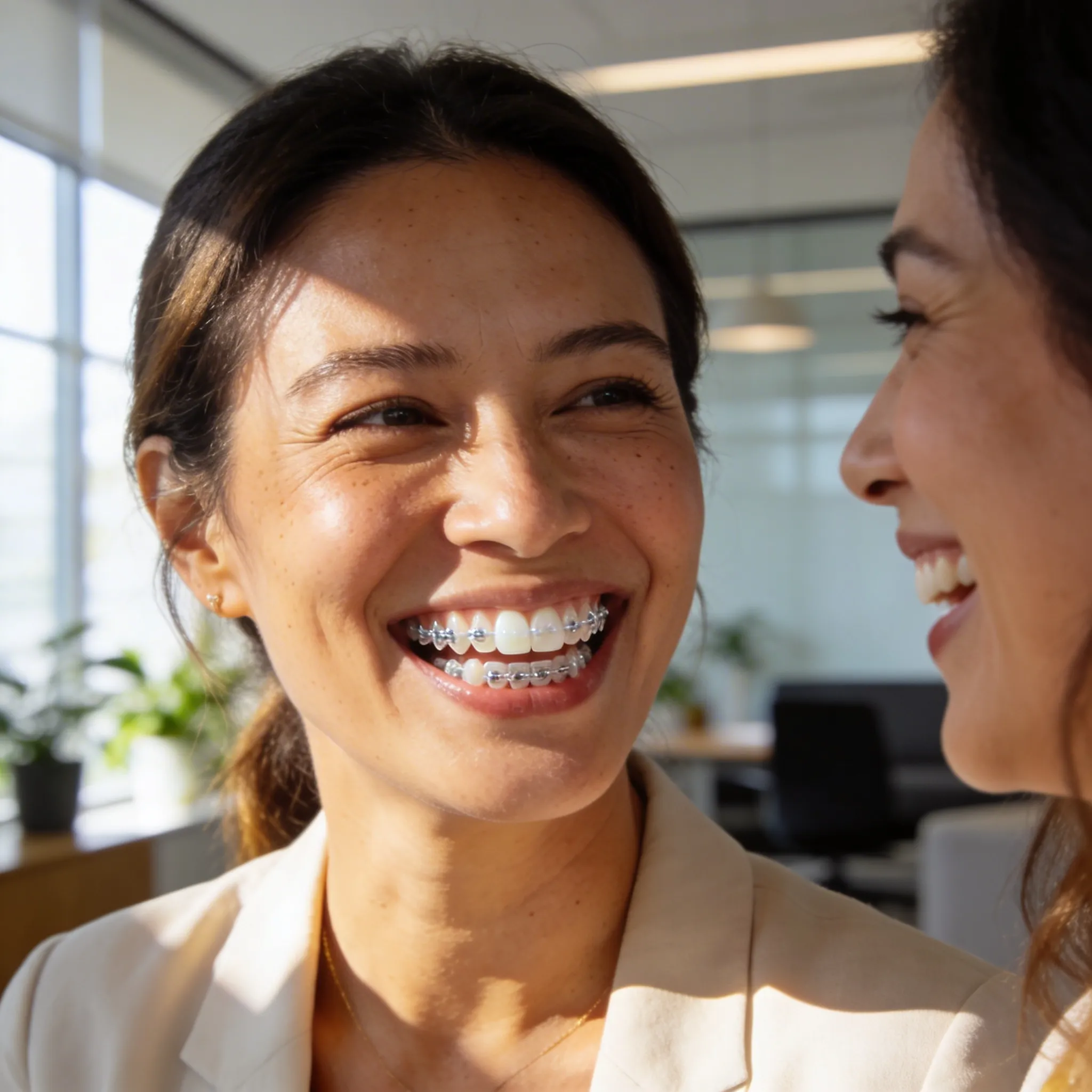
Dr Nita Kumari discussing an orthodontic treatment plan with a patient at Sunbury Dental Group

What Are Dental Braces?

Dental braces are fixed orthodontic appliances designed to gently and steadily shift teeth into a more functional and aligned position. They consist of small brackets attached to the front surface of the teeth, connected by a specialized metal wire (the archwire). Over time, the tension applied by this wire encourages the teeth to move through the jawbone into their targeted positions.

Who May Benefit From Braces?

Orthodontic treatment is highly individualized. Braces may assist patients who are experiencing:

  • Difficulty chewing or biting efficiently due to misaligned jaws.

  • Speech issues related to severe jaw or bite alignment.

  • Challenges cleaning between severely crowded teeth, which can contribute to plaque buildup.

  • Uneven wear on tooth enamel caused by an improper bite

Looking After Teeth During Braces Treatment

Maintaining excellent oral hygiene is critical while wearing braces. We recommend brushing meticulously after every meal using a soft-bristled toothbrush and fluoride toothpaste. Interdental brushes and orthodontic floss threaders should be used daily to clean between the wire and the teeth. We will provide detailed instructions and demonstrate the correct cleaning techniques during your fitting appointment.

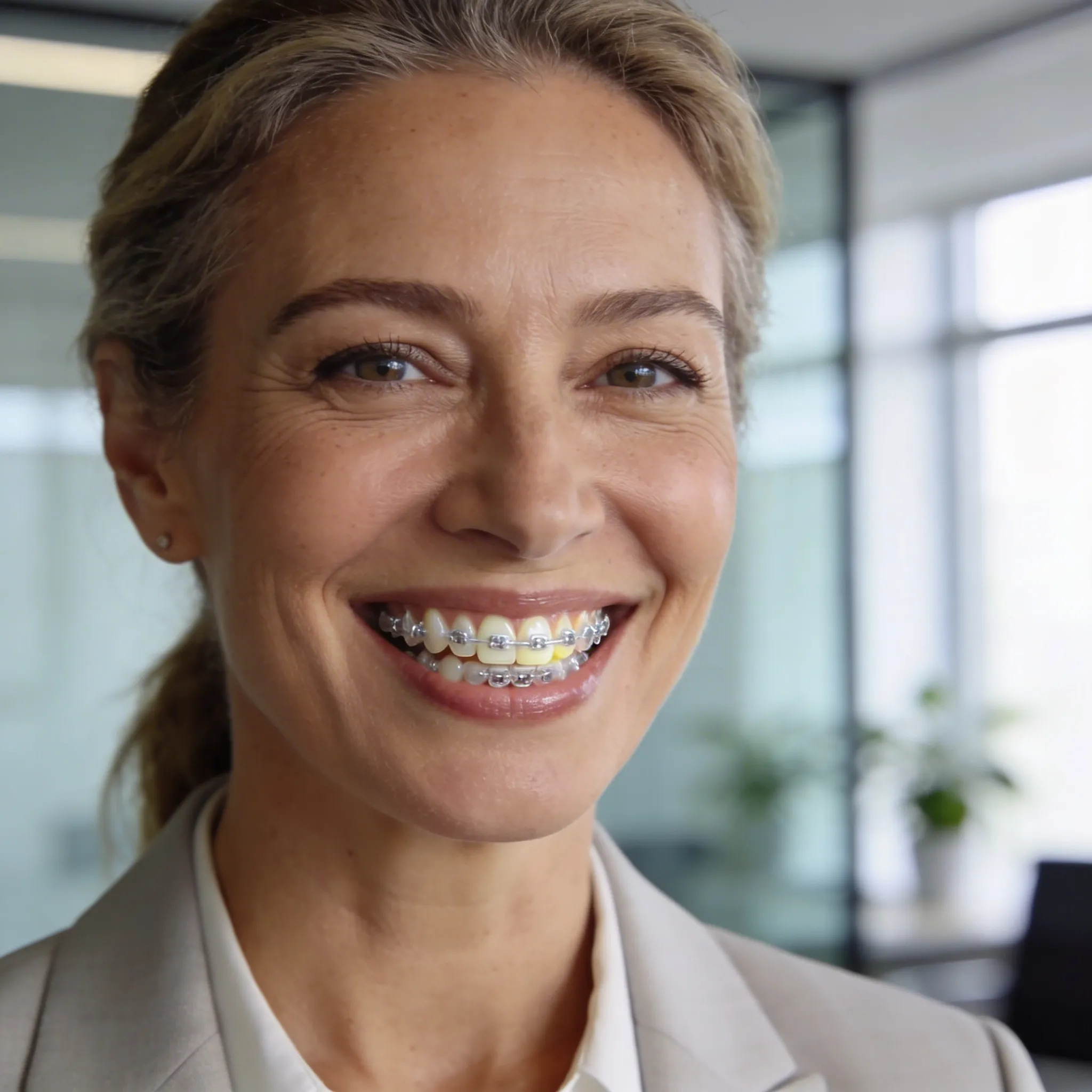
Close-up comparison of traditional metal braces and tooth-coloured ceramic braces

Common Signs Teeth May Need Orthodontic Correction

While a professional assessment is always required to determine suitability, common indications that you or your child might benefit from a structural orthodontic assessment include:

  • Visible crowding or overlapping of teeth.

  • Significant gaps or spaces between teeth.

  • An overbite (top teeth protrude excessively over bottom teeth).

  • An underbite (bottom teeth sit in front of top teeth).

  • A crossbite (upper and lower jaws do not align correctly when closed).

  • Frequent biting of the cheek or roof of the mouth.

What Causes Misaligned Teeth?

Tooth misalignment, clinically known as malocclusion, can stem from various factors. In many cases, it is genetic—inherited traits determine jaw size and tooth size, which can lead to crowding or spacing. Other common causes include the early loss of baby teeth, prolonged thumb sucking in childhood, tongue thrusting, or physical trauma to the face and jaw.

Types of Braces Available

At Sunbury Dental Group, we offer options to suit different clinical needs and personal preferences:

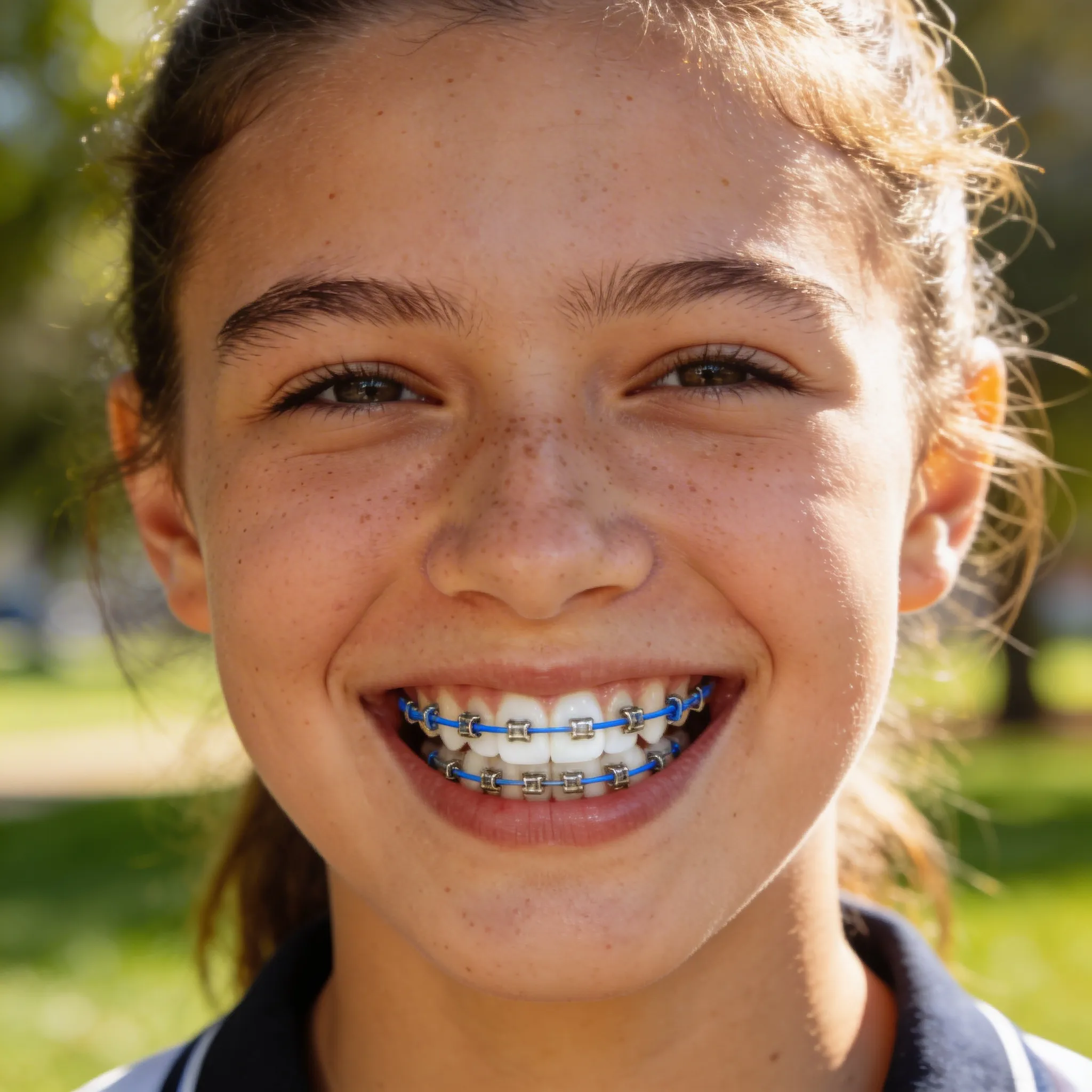
  • Traditional Metal Braces: Made from high-grade stainless steel, these are the most common type of braces. They are highly effective for correcting complex orthodontic issues and are often the preferred choice for teenagers.

  • Ceramic Braces: These function similarly to metal braces but utilize clear or tooth-coloured brackets. Ceramic braces blend in more naturally with your teeth, making them a popular choice for adults and older teenagers seeking a more discreet treatment option.

Sunbury Dental Group clinic reception area located on Evans Street, Sunbury

Types of Braces Available

At Sunbury Dental Group, we offer options to suit different clinical needs and personal preferences:

  • Traditional Metal Braces: Made from high-grade stainless steel, these are the most common type of braces. They are highly effective for correcting complex orthodontic issues and are often the preferred choice for teenagers.

  • Ceramic Braces: These function similarly to metal braces but utilize clear or tooth-coloured brackets. Ceramic braces blend in more naturally with your teeth, making them a popular choice for adults and older teenagers seeking a more discreet treatment option.

Potential Risks and Limitations

All dental procedures, including orthodontics, carry potential risks. It is important to be aware of these before proceeding:

Discomfort: Mild tenderness is common for a few days after the braces are first placed and following adjustment appointments.

Oral Hygiene Challenges: Braces create physical traps for food and plaque. Poor brushing during treatment can lead to permanent white marks (decalcification) on the enamel or gum inflammation.

Root Resorption: In some cases, the roots of the teeth may shorten slightly during movement.

Relapse: Teeth naturally want to move as we age. Failure to wear retainers as prescribed will likely result in the teeth shifting out of alignment.

Please note: Outcomes vary from patient to patient. A comprehensive consultation is required to assess your individual risks and suitability.

Orthodontic Braces

Assessment and Treatment Planning

Every orthodontic journey at Sunbury Dental Group begins with a detailed assessment. Dr Nita Kumari will conduct a thorough examination of your teeth, jaw, and facial structure. This process typically involves taking digital X-rays, clinical photographs, and digital impressions of your bite. We use this information to determine the complexity of your case, discuss suitable treatment options, and provide a realistic estimate of the treatment duration.

Braces Treatment Process

  1. Placement Appointment: The teeth are cleaned and prepared. The brackets are then bonded to the teeth using a specialized dental adhesive, and the initial archwire is secured in place. This appointment takes longer than a standard check-up.

  2. Regular Adjustments: You will need to visit our clinic every 4 to 8 weeks. During these visits, we monitor your progress and adjust or replace the archwire to maintain the appropriate tension on your teeth.

  3. Removal: Once the desired alignment is achieved, the brackets and adhesive are carefully removed, and your teeth are polished.

  4. Retention: To help prevent teeth from shifting back to their original positions, you will be fitted with a retainer (fixed or removable) to wear as directed.

Benefits of Braces

Beyond altering the appearance of a smile, orthodontic treatment aims to improve overall oral function. Properly aligned teeth are generally easier to brush and floss, which may reduce the risk of tooth decay and gum disease over time. Correcting bite issues can also help distribute chewing forces more evenly across all teeth, potentially reducing premature wear on tooth enamel and alleviating strain on the jaw joints.

Treatment Considerations

Orthodontic treatment requires a commitment to time, oral hygiene, and regular dental visits. Treatment duration varies significantly based on individual complexity, typically ranging from 12 to 30 months. Patients must also be prepared to modify their diet, avoiding extremely hard, sticky, or chewy foods that could dislodge brackets or bend the archwire.

orthodontic braces teeth

Benefits of Braces

Beyond altering the appearance of a smile, orthodontic treatment aims to improve overall oral function. Properly aligned teeth are generally easier to brush and floss, which may reduce the risk of tooth decay and gum disease over time. Correcting bite issues can also help distribute chewing forces more evenly across all teeth, potentially reducing premature wear on tooth enamel and alleviating strain on the jaw joints.

Treatment Considerations

Orthodontic treatment requires a commitment to time, oral hygiene, and regular dental visits. Treatment duration varies significantly based on individual complexity, typically ranging from 12 to 30 months. Patients must also be prepared to modify their diet, avoiding extremely hard, sticky, or chewy foods that could dislodge brackets or bend the archwire.

Ready for a confident smile? Book your FREE consultation

For Cosmetic Dentistry, Braces & Invisalign, Dental Implants, and Smile Makeovers.

F.A.Q

Taking the first step toward a healthier, more aligned bite starts with a professional assessment. Dr Nita Kumari and the team at Sunbury Dental Group are ready to discuss your orthodontic options in a comfortable, modern setting.

Applying braces does not hurt. However, it is normal to experience mild aching or tenderness in your teeth and jaws for a few days after they are initially fitted and after routine adjustment appointments. Over-the-counter pain relief can typically manage this temporary discomfort.

Treatment times depend entirely on the severity of the malocclusion and how your teeth respond to movement. Most patients require braces for 18 to 24 months, but minor corrections may take less time, while complex cases can take longer.

Yes, but protecting your teeth is essential. We strongly recommend wearing a custom-fitted orthodontic mouthguard during contact sports to protect your teeth, lips, and cheeks from injury, and to prevent damage to the braces.

If a bracket comes loose or a wire breaks, contact our clinic as soon as possible. Because we are open seven days a week, we can often schedule a prompt appointment to repair the appliance and keep your treatment on track.

There is no upper age limit for orthodontic treatment. As long as your teeth, gums, and supporting bone structure are healthy, adult braces can be an effective way to address alignment issues.